
 By Sagoh
The competitive landscape of South Korean music programs was thrust into the spotlight on September 4, 2026, following a controversial social media post by a fan-led voting account for the rookie group ALPHADRIVEONE. During the latest broadcast of KBS’s Music Bank, a premier weekly music ranking show, the nominees for the coveted first-place trophy were the veteran SM Entertainment powerhouse NCT 127 and the newly debuted ALPHADRIVEONE. While the nomination itself was a milestone for the rookie group, the subsequent actions of their primary domestic voting team sparked a significant industry-wide conversation regarding fandom ethics, chart transparency, and the protocols of digital music data.
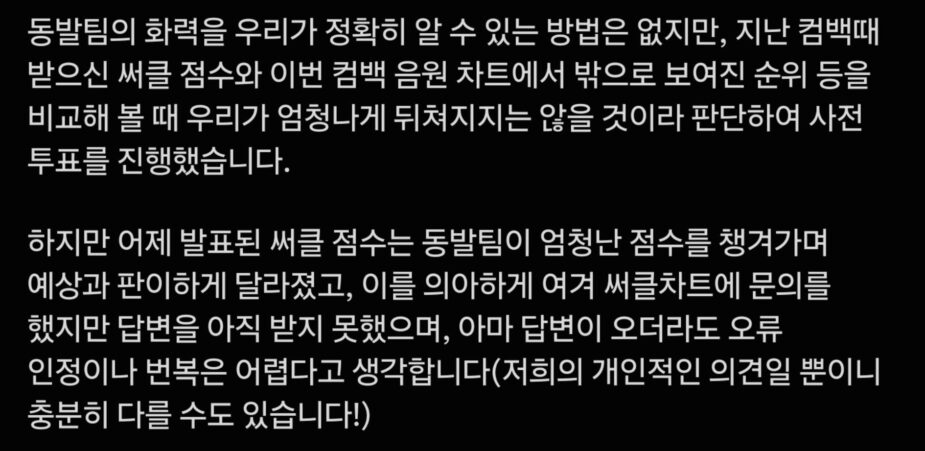
The controversy began when the ALPHADRIVEONE voting team account publicly questioned the legitimacy of the scores attributed to NCT 127. In a detailed post, the account organizers suggested that the gap between the two groups was suspicious, specifically targeting the data provided by Circle Chart—South Korea’s equivalent to the Billboard charts. This public interrogation of a senior group’s performance and the integrity of a national chart provider immediately drew the ire of NCT 127’s global fandom, NCTzens, leading to a cascade of social media debates and demands for a formal retraction.
Chronology of the Dispute
The timeline of the incident reflects the rapid escalation typical of modern K-pop fandom interactions. On the morning of the Music Bank broadcast, anticipation was high as ALPHADRIVEONE, a group in their early debut phase, found themselves in direct competition with NCT 127, a group with a decade-long track record of high-volume physical sales and digital streaming dominance.
Shortly after the scoring breakdown was hinted at or released through pre-broadcast tracking data, the ALPHADRIVEONE voting team issued a statement on X (formerly Twitter). The team claimed that after comparing NCT 127’s previous comeback scores on the Circle Chart with their current performance, the numbers appeared inconsistent. They explicitly stated that they had contacted Circle Chart to report what they perceived as an "error," further adding that they doubted the chart provider would admit to a mistake.

The reaction from the NCTzen community was instantaneous. Fans of NCT 127 pointed out that the rookie voting team’s analysis failed to account for the massive physical shipment numbers and the global streaming infrastructure that a legacy group like NCT 127 commands. Within hours, the hashtag demanding an apology began to trend, prompting the ALPHADRIVEONE voting team to delete the original post. However, the subsequent apology was met with even greater criticism, as it was perceived as "insincere" and "backhanded," with the team doubling down on the notion that the scores were logically "puzzling."
Understanding the Music Bank Scoring System
To understand the gravity of the accusations made by the ALPHADRIVEONE voting team, one must examine the rigorous metrics utilized by KBS’s Music Bank. The program’s "K-Chart" is calculated based on a weighted formula that includes:
- Digital Music Charts (60%): Compiled from major Korean streaming services such as Melon, Genie, and Bugs.
- Physical Album Sales (5%): Sourced directly from Circle Chart data.
- Number of Broadcast Appearances (20%): Frequency of the artist or song being played on KBS TV and radio programs.
- K-pop Fan Voting (10%): Conducted via the AllChart or Mubeat applications.
- Social Media Scores (5%): Based on YouTube music video views and trends.
The ALPHADRIVEONE voting team’s grievance centered primarily on the 5% physical sales and the digital aggregate provided by Circle Chart. In the K-pop industry, Circle Chart is considered the gold standard for data, as it tracks both retail sales (Hanteo) and wholesale shipments. For an established group like NCT 127, physical shipments often reach into the millions, providing a nearly insurmountable "Physical Score" for most rookie groups. The accusation that these scores were "errors" was viewed by many as a direct attack on the professional credibility of both SM Entertainment and the Korea Music Content Association (KMCA), which manages Circle Chart.
Fandom Dynamics and the "Sajaegi" Implication
While the ALPHADRIVEONE voting team used the term "error," the underlying implication in the eyes of many netizens was one of sajaegi—a term used to describe chart manipulation or the bulk buying of albums by agencies to inflate rankings. In South Korea, sajaegi is a serious allegation that can lead to legal investigations and permanent damage to an artist’s reputation.
NCTzens argued that questioning the scores of a senior group without substantial evidence was not only disrespectful but dangerous. "Questioning 127’s fandom credibility and dismissing their scores as ‘errors’ simply because your team is lacking is not acceptable," wrote one prominent fan account. Others noted that NCT 127’s performance on the Circle Chart has been historically consistent with their status as "million-sellers," making the "puzzling" nature of the scores a result of the rookie team’s lack of data literacy rather than a flaw in the system.

Internal Rift: International vs. Domestic Fans
The incident also highlighted a growing divide within the ALPHADRIVEONE fandom (known as ALLYZ). Shortly after the domestic voting team’s post went viral, international fanbases began to distance themselves from the controversy. Many English-speaking ALLYZ accounts issued statements clarifying that the Korean voting team’s views did not represent the entire fandom.
"International ALLYZ don’t align ourselves with the Korean fanbase and their mistakes," stated one international fan account. "We have nothing but love for NCT and NCTzens. We offer our sincere apologies to every NCTzen who feels hurt."
This internal conflict underscores a recurring theme in modern K-pop: the "unprofessionalism" of fan-run organizations. Unlike the official management companies (such as the agency representing ALPHADRIVEONE), these voting teams are comprised of volunteers. When these volunteers act as official liaisons for a fandom, their public statements can inadvertently damage the image of the idols they intend to support. Critics argued that the ALPHADRIVEONE voting team acted with an "inflated sense of authority," attempting to interact with corporate entities like Circle Chart as if they were official industry representatives.
The Role of Circle Chart in Industry Transparency
Circle Chart has historically maintained a stance of transparency, often releasing white papers to explain fluctuations in data. The chart operates by collecting data from domestic distributors (Kakao Entertainment, CJ ENM, etc.) and global platforms. For a veteran group like NCT 127, their global reach ensures that their numbers are bolstered by international demand, a factor that rookie groups often struggle to match in their first few years.
Industry analysts suggest that the "error" perceived by the ALPHADRIVEONE team likely stemmed from a misunderstanding of how "Shipment" data works. Circle Chart records the number of albums sent to retailers; if a group has a massive pre-order volume, their Circle Chart score will dwarf their Hanteo (real-time sales) score initially. This is a standard occurrence for "Big 4" agency groups like NCT 127 but can appear anomalous to those only familiar with smaller-scale debut trajectories.
Broader Implications for Rookie Groups
For ALPHADRIVEONE, the controversy serves as a cautionary tale. In the highly hierarchical world of K-pop, the relationship between "sunbaes" (seniors) and "hoobaes" (juniors) is governed by a strict code of conduct. While the idols themselves were not involved in the social media post, the actions of their core fandom can influence public perception.
The backlash has led to calls for better education within fan-led "voting teams" regarding how music charts actually function. It also raises questions about the responsibility of agencies to monitor or guide their largest fan-run accounts. While agencies cannot control every fan, the "Voting Team" often holds a semi-official status, coordinating thousands of dollars in fan donations for digital streaming and voting passes.
Conclusion
As of the latest reports, the ALPHADRIVEONE voting team has issued multiple apologies, though the NCTzen community remains largely unsatisfied, citing the "underlying assumptions" of foul play that remained in the wording of the retractions. The incident remains a prominent example of how digital data and fandom passion can collide, creating friction that transcends the music itself.
The September 4 broadcast of Music Bank ended with the trophy being awarded based on the verified aggregate scores, but the digital footprint of the dispute remains. For the K-pop industry, this event serves as a reminder that as data becomes more transparent and accessible, the responsibility to interpret that data accurately—and respectfully—falls heavily on the shoulders of the fans who drive the industry’s success. Moving forward, the focus for ALPHADRIVEONE and their supporters will likely be on rebuilding rapport with the wider K-pop community and ensuring that future competitive efforts are grounded in factual analysis rather than speculative grievances.

