 By Asep Darmawan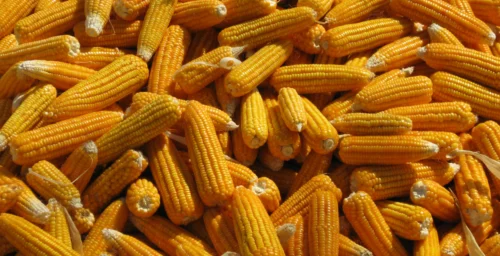
Introduction: A Legacy Rooted in Soil
At 81 years old, Kim Soon-kwon, a renowned agricultural scientist and Nobel Peace Prize nominee, is driven by a singular, persistent ambition: to bridge the ideological divide of the Korean Peninsula through the universal language of food security. As the founder of the South Korea-based International Corn Foundation, Kim has spent decades developing climate-resilient crop varieties. Now, he has set his sights on a humanitarian mission that could, if geopolitical winds shift, alleviate chronic malnutrition in North Korea.
Kim’s proposal involves the transfer of specialized, high-altitude corn seeds to the North, a region plagued by topographical challenges and erratic weather patterns. For Kim, this is not merely a matter of agronomy; it is a vital step toward the peaceful reunification of a divided people. As diplomatic discourse between Washington and Pyongyang remains in a state of fragile fluctuation, Kim’s work stands as a poignant reminder that the most durable bridges are often built with the humblest of materials—in this case, a kernel of corn.
The Science of Survival: Addressing North Korea’s Agricultural Crisis
North Korea’s agricultural sector has long struggled to meet the caloric requirements of its population. The country’s mountainous terrain, which accounts for approximately 80% of its landmass, leaves little room for traditional paddy farming. Consequently, the reliance on corn—a staple crop capable of thriving in less-than-ideal soil—is absolute.
However, the North’s crop yields are frequently decimated by the "three pillars of failure": poor soil quality, lack of modern fertilizers, and, increasingly, the impacts of climate change. Sudden droughts, flooding, and unseasonable frosts in high-altitude regions have turned once-productive plots into barren patches.
The Innovation: Super-Corn Varieties
Kim Soon-kwon’s research has yielded "super-corn" hybrids specifically engineered for resilience. These strains possess:
- Enhanced Cold Tolerance: Designed to thrive in the shorter growing seasons of North Korea’s northern provinces.
- Drought Resistance: Advanced root systems that allow the plant to withstand prolonged dry spells.
- Increased Caloric Yield: Higher protein and starch density compared to indigenous North Korean varieties.
By introducing these seeds, Kim hopes to stabilize the domestic food supply, reducing the country’s dependence on international aid and helping the population survive the "lean seasons" that have historically claimed thousands of lives.
Chronology: A Lifetime of Agricultural Diplomacy
The path to this current initiative is paved with decades of scientific rigor and cross-border engagement.
- 1970s–1980s: Kim Soon-kwon gains international recognition at the International Institute of Tropical Agriculture (IITA) in Nigeria, where his development of high-yield corn varieties earns him the nickname "The Super Corn Man."
- 1998: In a rare moment of rapprochement, Kim leads a delegation to North Korea. His scientific expertise is welcomed by Pyongyang, leading to the successful testing of his corn varieties in various North Korean provinces.
- Early 2000s: Under the "Sunshine Policy" era, Kim makes multiple trips to the North, establishing agricultural research centers and training North Korean scientists.
- 2007: Political tensions begin to stifle cooperative projects. Exchanges become increasingly difficult as Pyongyang shifts its focus toward nuclear development.
- 2026 (Present): Kim reaffirms his commitment to the cause, publicly stating that he is prepared to resume these efforts the moment a diplomatic thaw occurs—specifically referencing the potential for renewed dialogue involving U.S. and North Korean leadership.
Supporting Data: The Magnitude of the Food Gap
The urgency of Kim’s mission is underscored by sobering data from international aid organizations. Despite North Korea’s attempts to modernize its agricultural practices, the UN Food and Agriculture Organization (FAO) has consistently categorized the country as a nation in need of external assistance for food.
| Metric | Estimated Status |
|---|---|
| Annual Grain Deficit | 800,000 – 1,000,000 metric tons |
| Arable Land per Capita | Among the lowest in East Asia |
| Fertilizer Shortage | Estimated at 40-50% of total requirement |
| Stunting Rate (Children under 5) | Approximately 18-20% |
Kim’s seeds could theoretically increase crop yields by 20% to 30% in target regions, a marginal but life-saving improvement that could potentially bridge a significant portion of the country’s annual grain deficit.

Official Responses and Geopolitical Hurdles
The intersection of food security and national security is fraught with political peril. For the South Korean government, support for such initiatives is often tied to the state of inter-Korean relations.
The Seoul Perspective
The South Korean government has historically viewed agricultural cooperation as a "soft power" tool. However, internal debate persists regarding whether such aid should be provided directly to the North Korean regime or channeled through international NGOs to ensure the food reaches the most vulnerable citizens rather than being diverted to the military.
The Pyongyang Stance
North Korea has historically been ambivalent. While they recognize the scientific superiority of South Korean agricultural technology, they remain wary of "ideological contamination" that might accompany South Korean researchers. However, in times of acute food shortages, the regime has demonstrated a pragmatic willingness to accept technical expertise if it does not require significant political concessions.
Implications: The Potential for a "Green" Detente
If Kim Soon-kwon’s proposal were to be realized, the implications would extend far beyond the harvest.
1. Rebuilding Trust through Technical Cooperation
Scientific collaboration provides a "neutral" ground for engagement. Unlike diplomatic summits, which are often performative and prone to collapse, the process of planting, growing, and harvesting crops requires long-term, consistent interaction. This could foster a working relationship between scientists on both sides of the DMZ, creating a foundation of trust that is currently non-existent.
2. A Humanitarian Precedent
The successful deployment of these seeds could set a precedent for humanitarian corridors. By isolating food security from the nuclear agenda, the international community could provide a template for how to address the basic human rights of North Korean citizens without compromising security protocols.
3. A Legacy of Reconciliation
For Kim, this is the ultimate act of patriotism. "I am 81 years old," Kim remarked recently, "and the main reason I continue growing corn is entirely for the sake of Korean reunification." His work acts as a bridge across a chasm that politicians have failed to span for over 70 years. Whether or not his seeds reach the soil of the North, his efforts remain a testament to the belief that peace is not just a political agreement, but a tangible, cultivated reality.
Conclusion: The Path Forward
The mission of the International Corn Foundation highlights a fundamental truth: stability in the Korean Peninsula is inextricably linked to the prosperity and health of its people. While the high-level politics of Donald Trump, Kim Jong Un, and regional powers remain volatile, the humble work of scientists like Kim Soon-kwon provides a quiet, persistent alternative.
The seeds are ready. The expertise is waiting. All that remains is the political opening—the "green light" from leaders in Seoul and Pyongyang—to allow this scientific exchange to blossom. In the end, the most powerful tool for peace may not be found in a missile silo or a diplomatic communiqué, but in the simple, life-sustaining promise of a better harvest. As the world watches the shifting tides of East Asian geopolitics, the International Corn Foundation continues its work, preparing for the day when the DMZ becomes a border that can be crossed not just by soldiers, but by the seeds of a shared future.
 Ammar Sabilarrohman
  Pevita Pearce
  Nana Wu
