
 By Raul Delapena Setiawan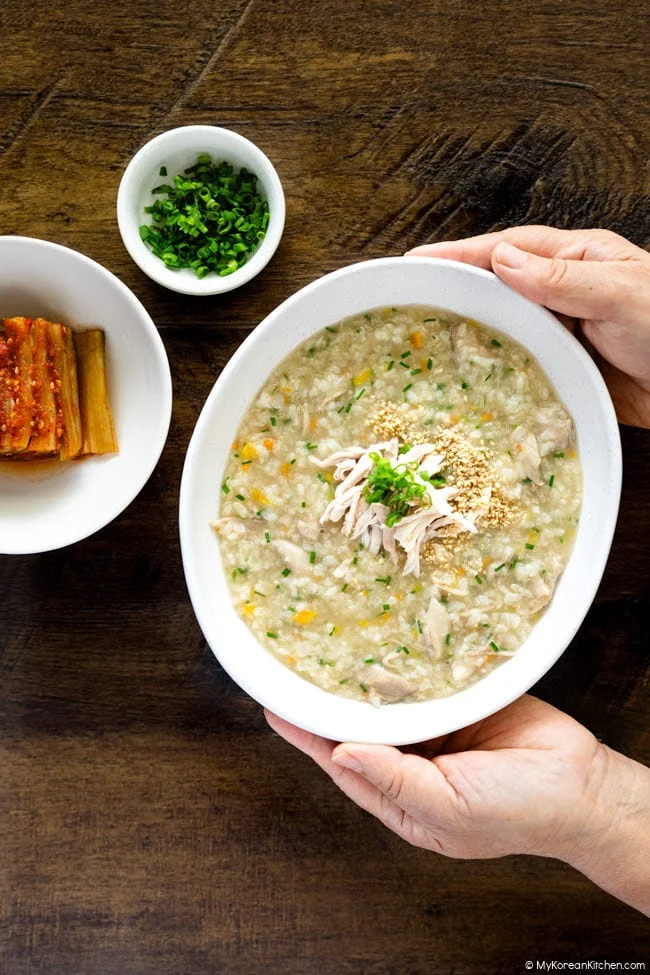
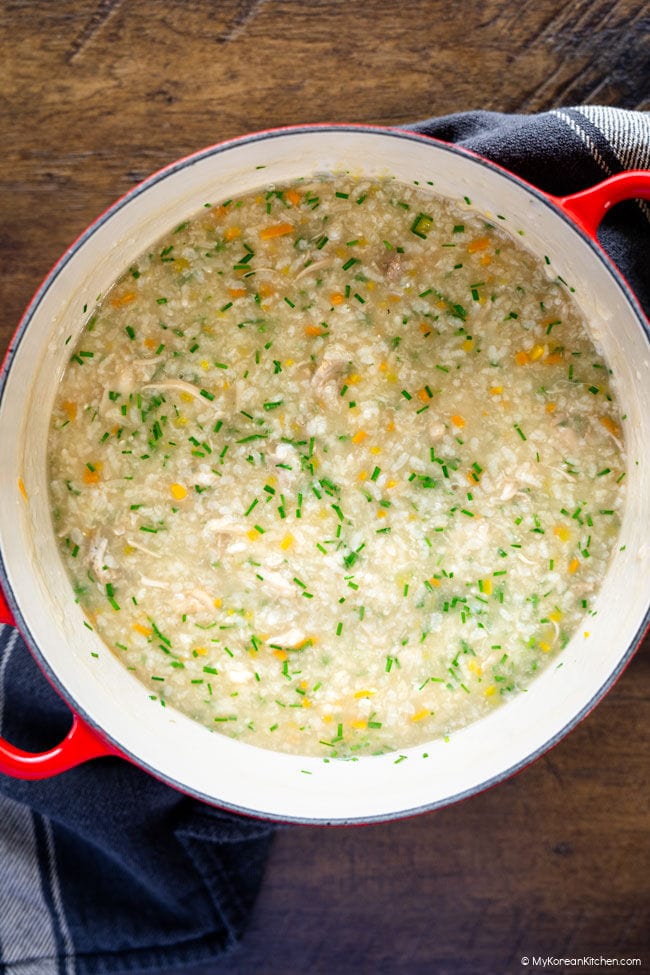
In the tapestry of Korean culinary traditions, few dishes evoke the sense of home, healing, and restorative warmth as effectively as dakjuk. Often described as a savory chicken rice porridge, this humble dish transcends its simple ingredient list to become a cornerstone of Korean comfort food. Whether served to a loved one recovering from an illness or enjoyed on a crisp, biting winter evening, dakjuk is a culinary embrace—a bowl of liquid sunshine designed to nourish the body and soothe the soul.
Main Facts: The Essence of Dakjuk
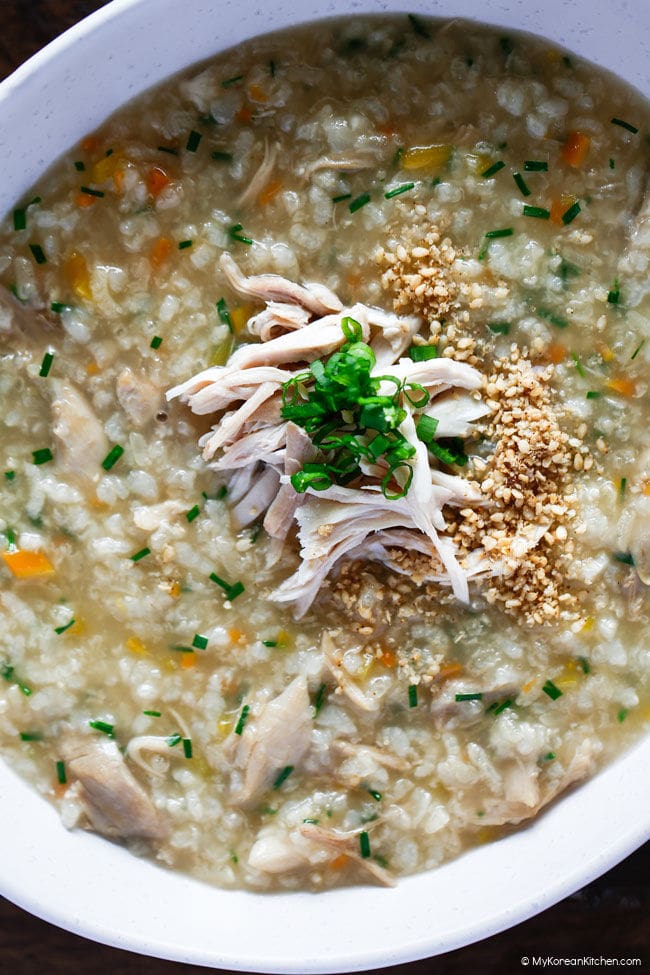
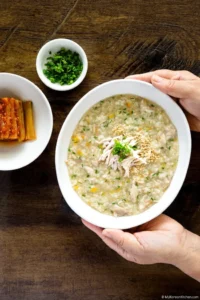
At its core, dakjuk is a testament to the power of slow-cooking. The name itself is derived from the Korean words dak (chicken) and juk (porridge). It is prepared by simmering chicken and rice for an extended period, allowing the starch from the rice to break down into a thick, velvety consistency that suspends tender morsels of chicken in a rich, flavorful broth.
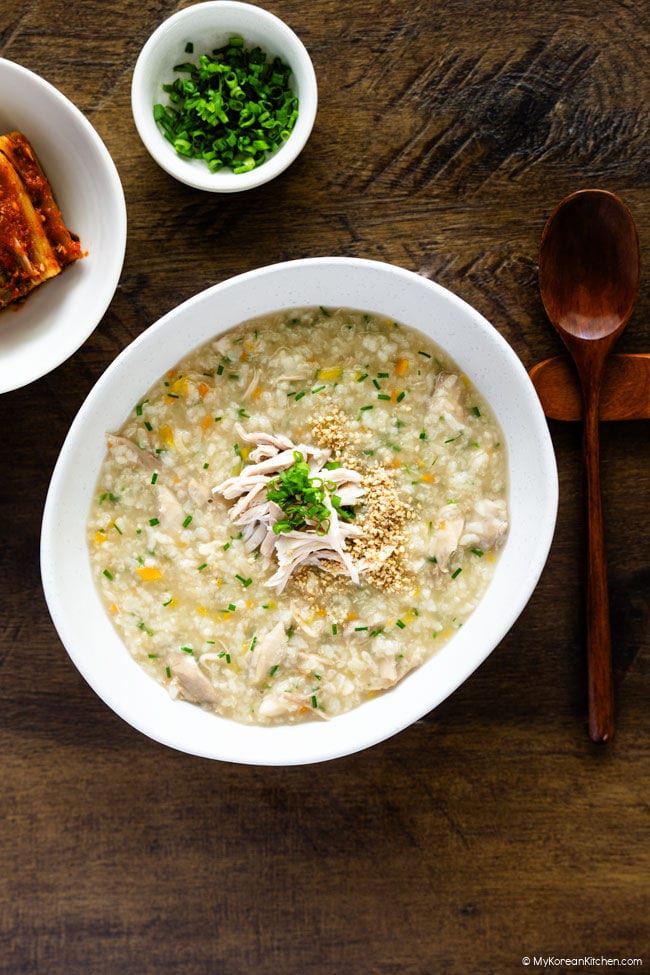
Unlike many Western porridges that lean toward sweetness, dakjuk is deeply savory. It is seasoned with aromatic vegetables like garlic, onion, and scallions, and finished with a dash of soy sauce and the nutty depth of toasted sesame oil. It is a dish that highlights the quality of its components, relying on the slow extraction of flavor from chicken bones and the gentle thickening of grains to create a complex, heartwarming experience.
The Chronology of Preparation: A Masterclass in Texture
Creating the perfect bowl of dakjuk is an exercise in patience and precision. For the discerning home cook, the process is divided into distinct stages that ensure every element of the dish reaches its peak potential.
1. The Foundation: Soaking and Aromatics
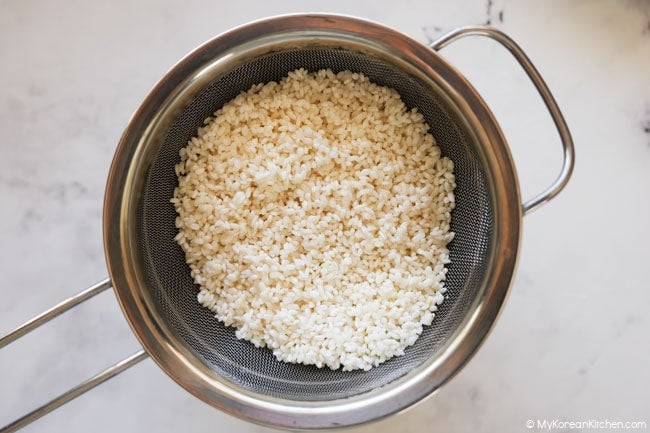
The journey begins with the rice. Culinary experts recommend a blend of glutinous rice and standard short-grain rice. The glutinous rice provides the necessary starchiness to achieve that signature "porridge" texture, while the regular rice offers structure, ensuring the final dish isn’t overly heavy or gummy. Soaking these grains for at least one hour is a non-negotiable step; it allows the rice to hydrate properly, leading to even cooking and a superior mouthfeel.
2. Building the Broth: The Double-Simmer Technique
The true secret to a standout dakjuk lies in how the chicken is handled. Rather than boiling the chicken until it disintegrates, the most effective method involves a two-stage approach:
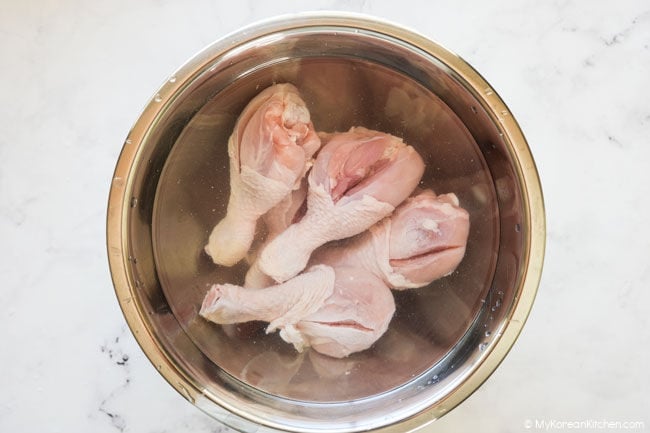
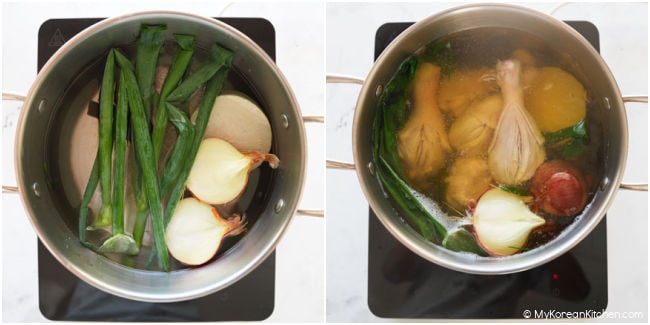
- The Initial Simmer: Chicken drumsticks are simmered with aromatics—green onions, yellow onion, and radish—for approximately 20 minutes. This creates a base broth that is fragrant and light.
- The Extraction: The chicken is removed from the pot once tender. This prevents the meat from becoming dry or stringy. The bones, however, are returned to the pot to continue simmering. This allows the collagen and marrow to enrich the broth, imparting a deeper, more robust flavor profile that simply cannot be achieved in a single-stage cook.
3. The Infusion: Stir-Frying the Rice
Before the rice meets the stock, it is briefly sautéed in sesame oil. This process, known in professional kitchens as "toasting the grain," does more than just add flavor. It coats the rice in a protective, aromatic layer that prevents the grains from sticking together prematurely and infuses the porridge with a distinct, nutty richness that lingers on the palate.
Supporting Data: Nutrition and Dietary Profile
Dakjuk is widely regarded as a "stamina food" in Korea, often consumed to restore energy levels. A standard serving (approximately 499 kcal) provides a balanced profile of macronutrients.
Nutritional Breakdown (Per Serving):
- Protein: ~29g, primarily from lean chicken, essential for tissue repair and muscle maintenance.
- Carbohydrates: ~48g, providing a steady release of energy.
- Fat: ~21g, derived largely from healthy fats like sesame oil and natural chicken lipids.
- Sodium: ~704mg, which, while notable, is essential for replenishment during recovery from illness.
The presence of garlic and green onions also contributes to the dish’s traditional reputation for boosting immune function, making it a functional food as much as a delicious one.
Official Perspectives: The Philosophy of "Healing Food"
In Korean culture, food is often viewed through the lens of yak-sik-dong-won—the belief that food and medicine share the same origin. When asked about the cultural significance of porridge dishes like dakjuk, culinary historians note that it represents a form of "edible empathy."
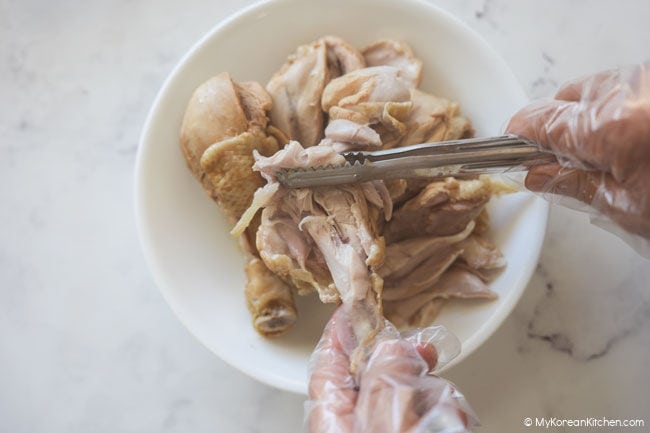
"When someone in a Korean household is unwell, you do not bring them heavy, processed foods," says a representative from the Korean Food Institute. "You bring them juk. It is the easiest thing for the body to digest, and the act of preparing it—spending hours at the stove, carefully shredding the chicken, and ensuring the consistency is just right—is a physical manifestation of care."
Implications: The Versatility of the Modern Kitchen
While traditional recipes remain the gold standard, the modern kitchen has seen dakjuk evolve to accommodate diverse dietary needs and hectic schedules.
Storage and Reheating
A common challenge with rice-based porridges is their tendency to thicken significantly upon cooling. The "pro-tip" for any home cook is to reserve a portion of the stock separately. When reheating, adding this reserved liquid restores the porridge to its original, silky consistency. This makes dakjuk an excellent meal-prep candidate, as it often tastes even better the next day once the flavors have had time to meld.
Pairing and Presentation
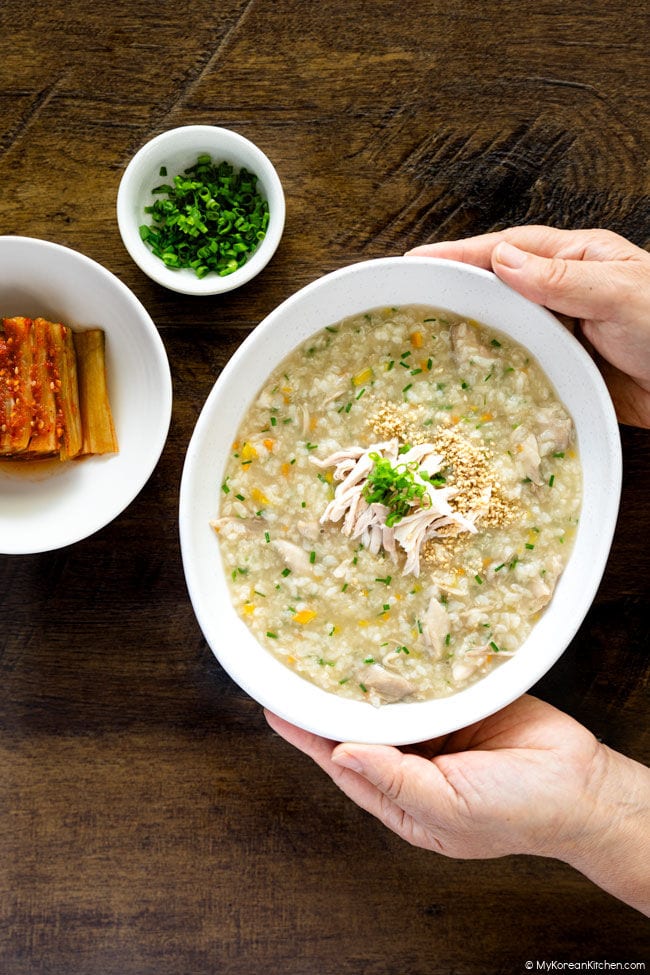
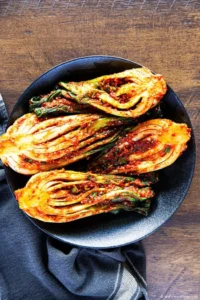
To complete the experience, dakjuk is rarely eaten alone. It is traditionally served alongside baechu-geotjeori (fresh cabbage kimchi) or dongchimi (water kimchi). The acidity and crunch of the kimchi cut through the creamy, savory richness of the porridge, creating a balanced bite that keeps the palate engaged.
Beyond the Bowl
The success of dakjuk has paved the way for a greater appreciation of other Korean porridge-based soups, such as Samgyetang (ginseng chicken soup) and Dak Kalguksu (chicken noodle soup). These dishes share a common lineage—a focus on long-simmered, nutrient-dense broths that prioritize wellness and comfort.
Conclusion: The Enduring Legacy of Dakjuk
In an age of instant gratification and fast-paced dining, the commitment required to make a proper pot of dakjuk is an act of defiance. It requires us to slow down, to watch the pot, to skim the impurities, and to wait for the grains to reach the perfect state of tenderness.
Whether you are a seasoned home cook looking to master a classic, or a novice seeking the perfect comfort dish to brighten a gloomy day, dakjuk offers a rewarding experience. It is a reminder that the best meals are often those that require the least amount of pretense and the most amount of heart. By following the techniques of temperature control, proper grain preparation, and the mindful extraction of flavor, you can bring the profound comfort of a traditional Korean kitchen into your own home.
 Asep Darmawan
  Nana Wu
