
 By Nana Muazin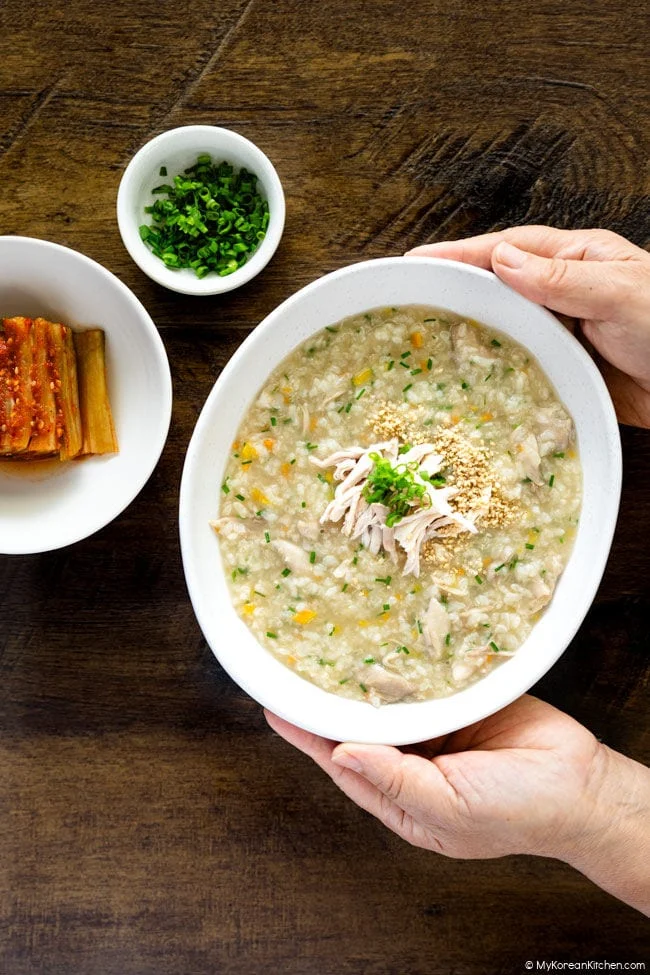
In the vast landscape of Korean cuisine, few dishes command as much respect for their healing properties and soul-warming potential as dakjuk. A traditional Korean chicken and rice porridge, this dish transcends the status of a simple meal, functioning as a culinary embrace for those navigating cold winters or recovering from illness. By slowly simmering rice in a nutrient-dense, aromatic chicken broth, dakjuk represents the quintessential intersection of simple ingredients and profound technique.
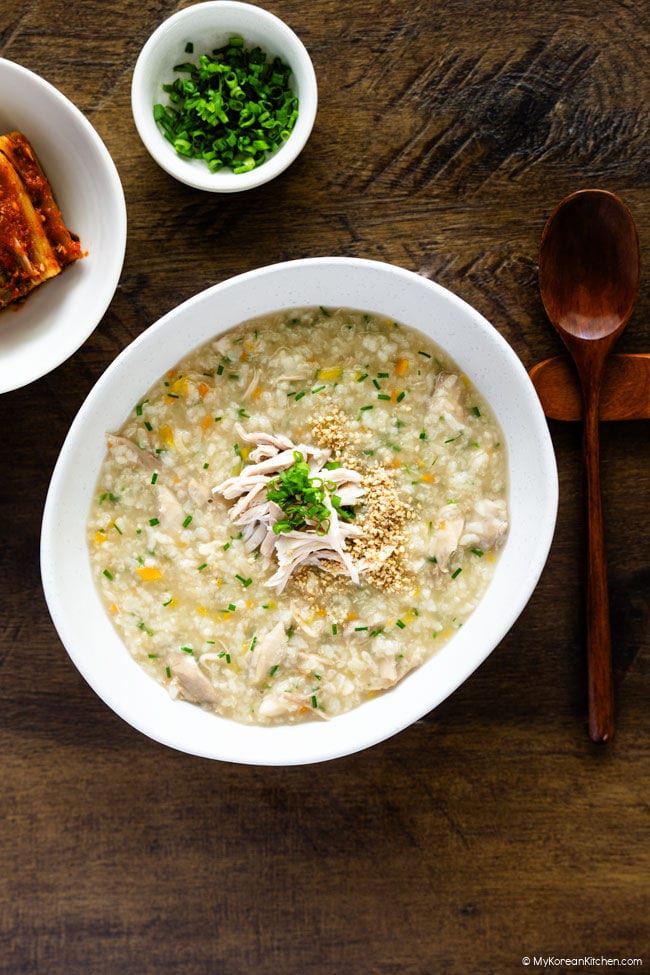
While the concept of rice porridge—or congee—is found across many Asian cultures, the Korean iteration, dakjuk (“dak” meaning chicken and “juk” meaning porridge), is defined by its specific preparation of the chicken and the distinct, savory depth of its broth. In this comprehensive exploration, we examine the mechanics of perfecting this dish, the cultural role it plays in the Korean household, and the technical nuances that elevate a humble bowl of porridge into a masterpiece of home cooking.
The Cultural Anatomy of Dakjuk: More Than Just Porridge
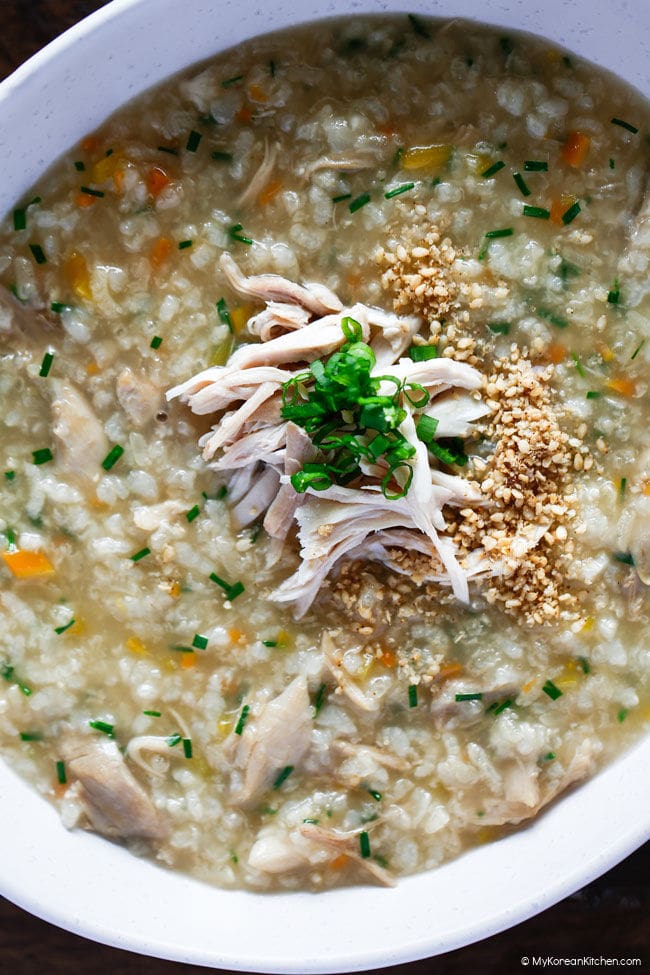
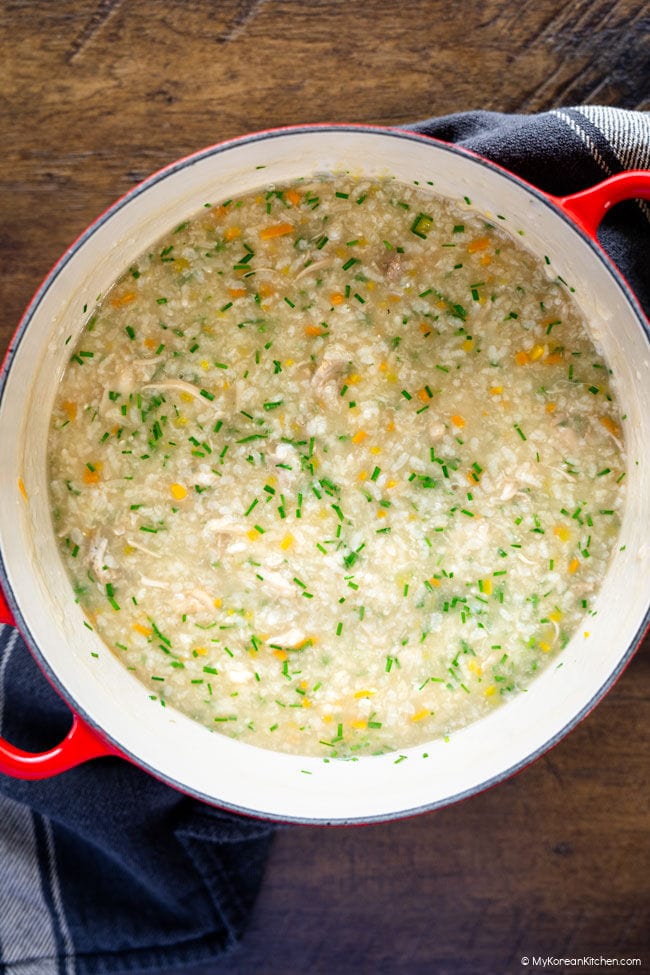
For many Koreans, the aroma of simmering ginger, garlic, and chicken is synonymous with restoration. Unlike Western chicken soup, which often focuses on the clarity of the broth and the texture of the vegetables, dakjuk is fundamentally about the transformation of rice. When soaked and simmered for an extended period, the rice grains break down, releasing their starches into the stock, creating a thick, creamy, and velvety consistency that coats the palate.
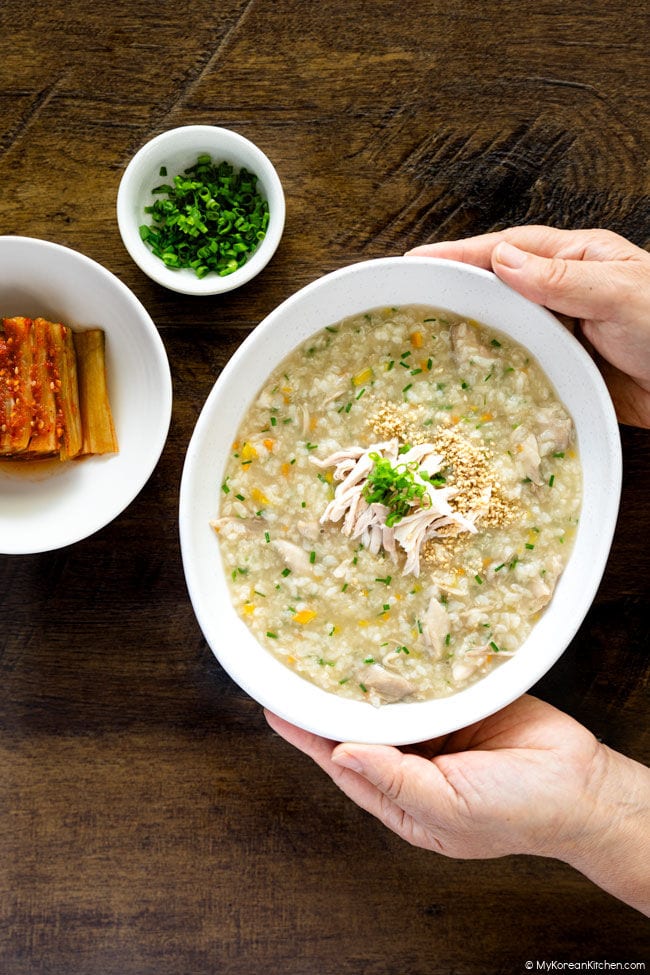
It is a "stamina food" (or boyangsik), often prepared for family members who are feeling run down or suffering from a common cold. Its digestibility and high nutrient profile make it a staple in recovery, yet its rich, savory profile ensures it is enjoyed year-round as a hearty, satisfying meal.
The Chronology of Preparation: A Study in Patience
The creation of dakjuk is a deliberate process. It cannot be rushed; the magic lies in the extraction of flavor and the breakdown of starch.
Phase 1: The Foundation (The Broth)
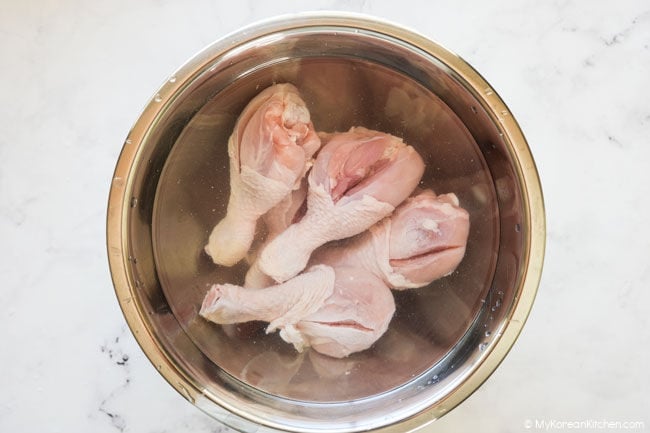
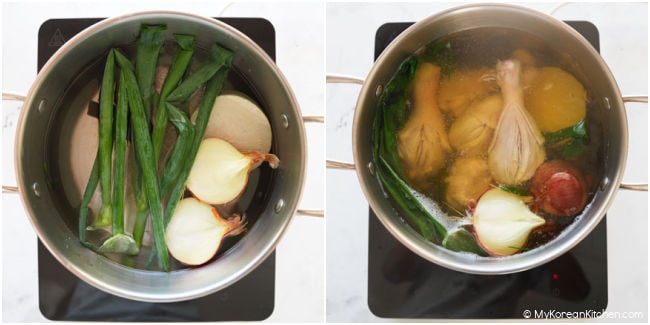
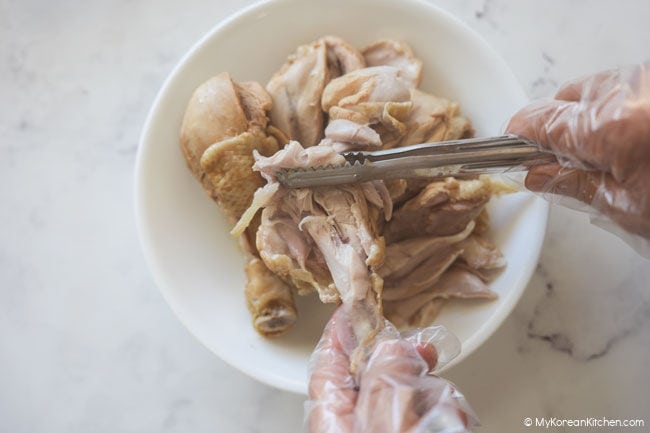
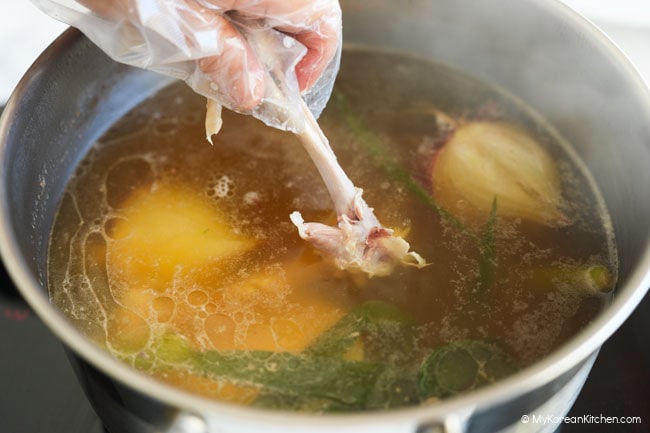
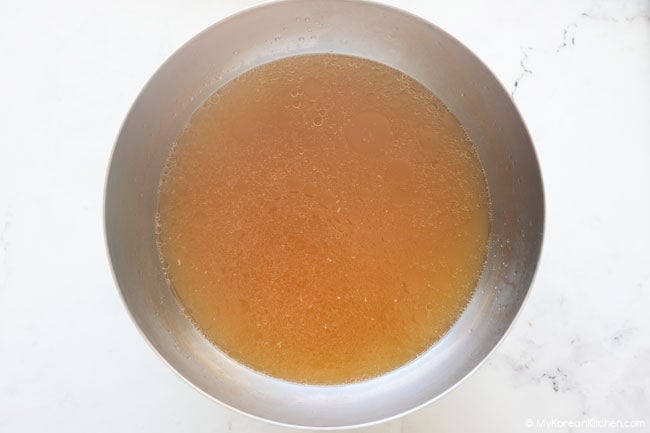
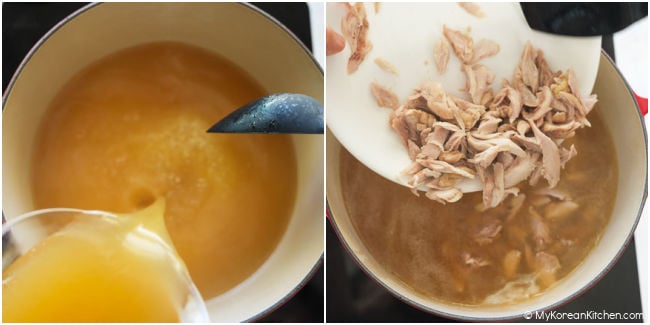
The journey begins with the selection of chicken—typically drumsticks or a whole bird—to ensure the broth is rich in collagen and flavor. The chicken is simmered alongside aromatics such as green onions, radish, and onion. Crucially, the chicken is removed after only 20 minutes. This is a technical intervention designed to preserve the integrity of the meat. By pulling the chicken before it becomes stringy, the cook ensures that the protein remains tender, while the bones are returned to the pot to continue fortifying the broth for an additional 20 minutes.
Phase 2: The Rice Treatment
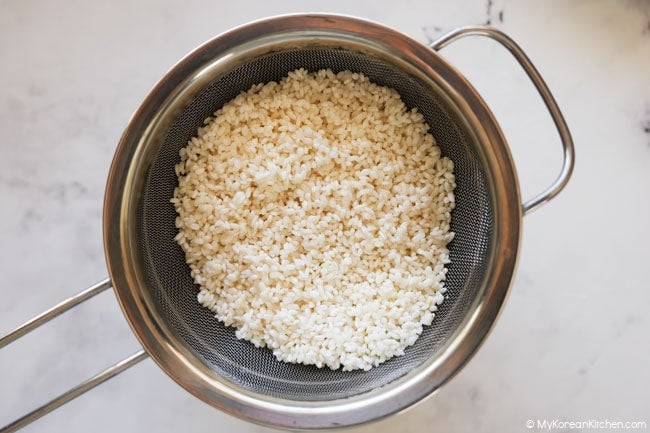
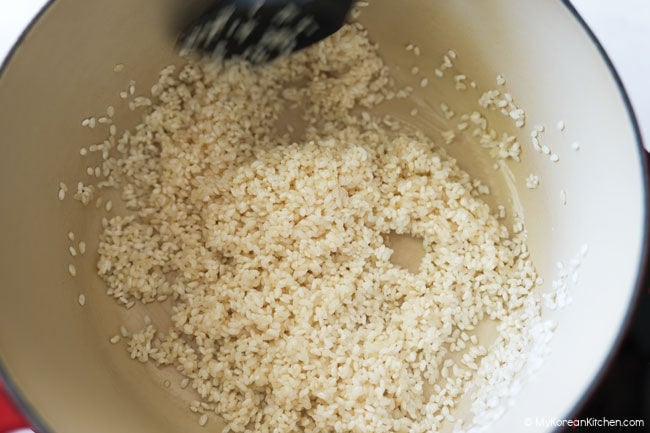
A key differentiator in high-quality dakjuk is the handling of the rice. A blend of glutinous rice (which provides a sticky, luxurious mouthfeel) and regular short-grain rice is used. Before a single drop of broth touches the grains, they are sautéed in sesame oil. This brief roasting process imparts a nutty, toasted complexity to the base, ensuring that the porridge is flavorful from the very first spoonful rather than relying solely on the broth for seasoning.
Phase 3: The Marriage of Components
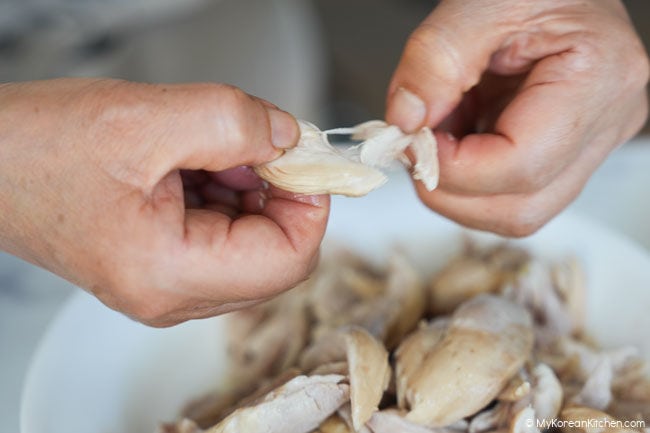
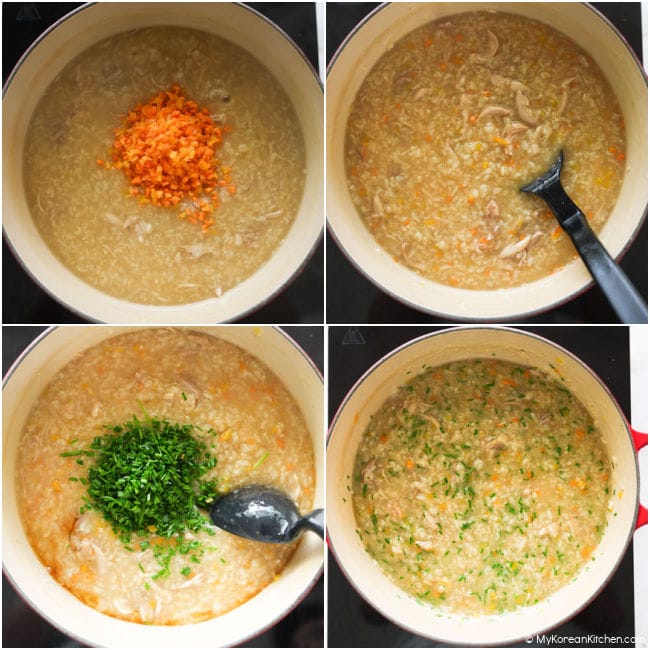
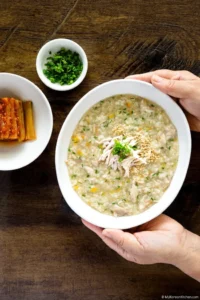
Once the broth has been strained and the chicken shredded, the rice is incorporated. As it simmers, the starch releases, thickening the mixture into the characteristic porridge state. The final touch—the addition of garlic chives and a finish of high-quality sesame oil—provides a bright, aromatic counterpoint to the deep, savory notes of the chicken stock.
Supporting Culinary Data and Techniques
The success of dakjuk lies in several specific techniques that separate a mediocre porridge from a transformative one:
- The Soaking Interval: Soaking the rice for at least one hour is non-negotiable. This pre-hydration allows for uniform cooking, preventing the outer layer of the rice from turning to mush while the center remains chalky.
- The "Loose" Rule: A common mistake in preparing juk is overcooking it until it becomes a thick, gluey paste. The ideal dakjuk should be loose enough to flow slowly from a spoon. Because the starch continues to absorb liquid as it cools, cooks are encouraged to keep the porridge slightly thinner than the desired final texture.
- The Leftover Strategy: To accommodate the natural thickening process, experienced cooks often reserve two cups of pure chicken stock. When reheating the porridge the next day, this reserved liquid is folded back in, instantly restoring the desired consistency.
Culinary Implications and Nutritional Profile
From a nutritional standpoint, dakjuk is a powerhouse. A standard serving contains approximately 499 calories, balanced with 29 grams of protein and 48 grams of carbohydrates. It is a low-fat, high-satiety meal that provides essential minerals and vitamins, including iron and Vitamin A.
The implication for the home cook is clear: this is a meal that balances indulgence with wellness. The use of traditional aromatics—ginger, garlic, and radish—adds a layer of anti-inflammatory properties that have been touted in Korean medicine for centuries.
Expert Perspectives on the "Soul" of the Dish
Professional chefs who specialize in traditional Korean cuisine often note that dakjuk is the ultimate test of a cook’s restraint. "You cannot hide behind heavy spices or complex sauces," says one expert. "The dish is a reflection of the quality of your chicken and the patience you bring to the stove."
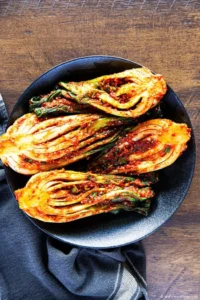
The addition of ingredients like geotjeori (fresh kimchi salad) or dongchimi (radish water kimchi) is not accidental. The acidity and crunch of the kimchi provide a sharp, bright contrast to the mellow, savory notes of the porridge, creating a balanced sensory experience that is foundational to the Korean palate.
Conclusion: Mastering the Bowl
Mastering dakjuk is an invitation to slow down. It is a dish that rewards the cook for every extra minute spent skimming foam from the broth, every moment spent sautéing the rice in sesame oil, and every careful hand-shredding of the chicken meat.
Whether you are looking to nurse a cold, seeking a nostalgic comfort, or simply wanting to expand your repertoire of traditional Korean home cooking, dakjuk offers a masterclass in texture and balance. By following these refined techniques—soaking the grains, double-cooking the bones, and maintaining the perfect porridge consistency—you can recreate the warmth and nourishment that has made this dish a staple of Korean households for generations.
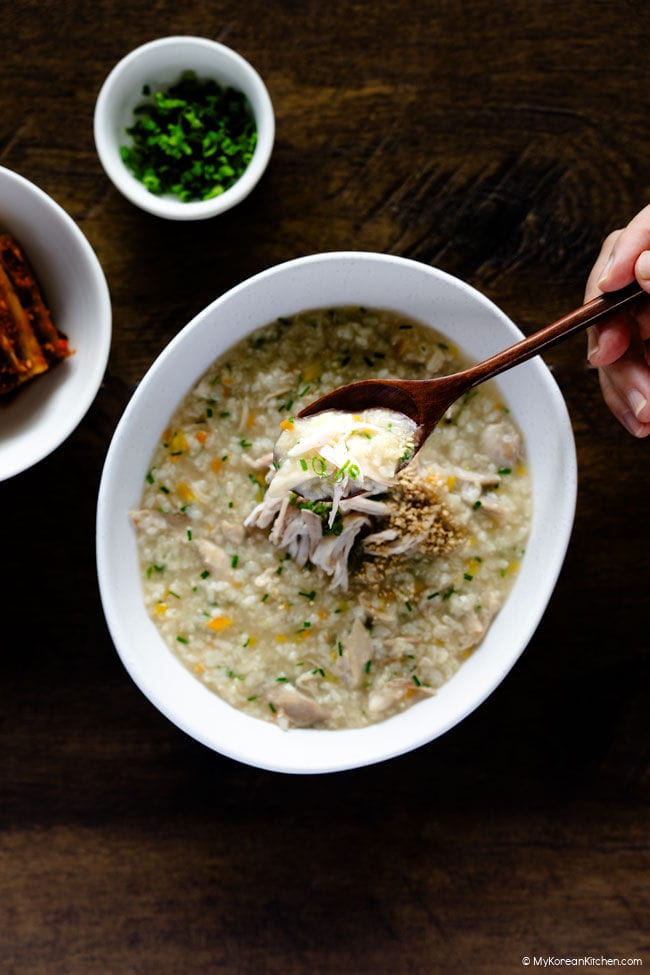
As you ladle the finished porridge into bowls, topped with a final sprinkle of toasted sesame seeds and a side of fresh kimchi, you are not just serving a meal; you are continuing a culinary tradition that prioritizes health, harmony, and the deep, abiding comfort of the home kitchen.
 Raul Delapena Setiawan
  Asep Darmawan
  Nana Wu
