
 By Ammar Sabilarrohman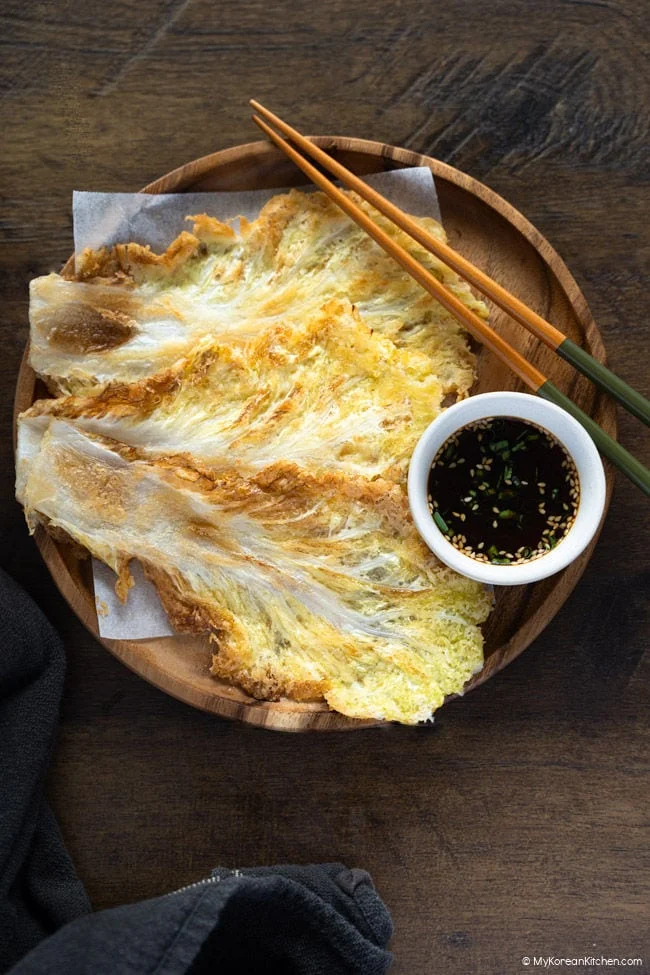
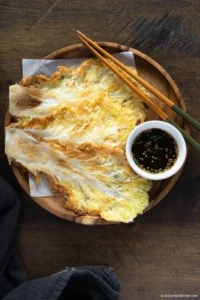
In the vast and vibrant landscape of Korean cuisine, where complex fermentation processes and slow-braised stews often take center stage, there exists a quiet, understated masterpiece: Baechujeon. A traditional pancake composed of little more than napa cabbage, flour, and water, it serves as a testament to the Korean culinary philosophy of highlighting the intrinsic quality of fresh, seasonal ingredients. While dishes like Kimchi-jeon (kimchi pancake) or Haemul-pajeon (seafood scallion pancake) are celebrated for their bold, layered flavors, Baechujeon is cherished for its clean, sweet, and delicate profile.
This article explores the cultural significance, the precise methodology, and the culinary nuances that elevate this humble napa cabbage pancake from a simple home-cooked meal to an essential element of the Korean dining table.
The Essence of Baechujeon: A Historical and Cultural Perspective
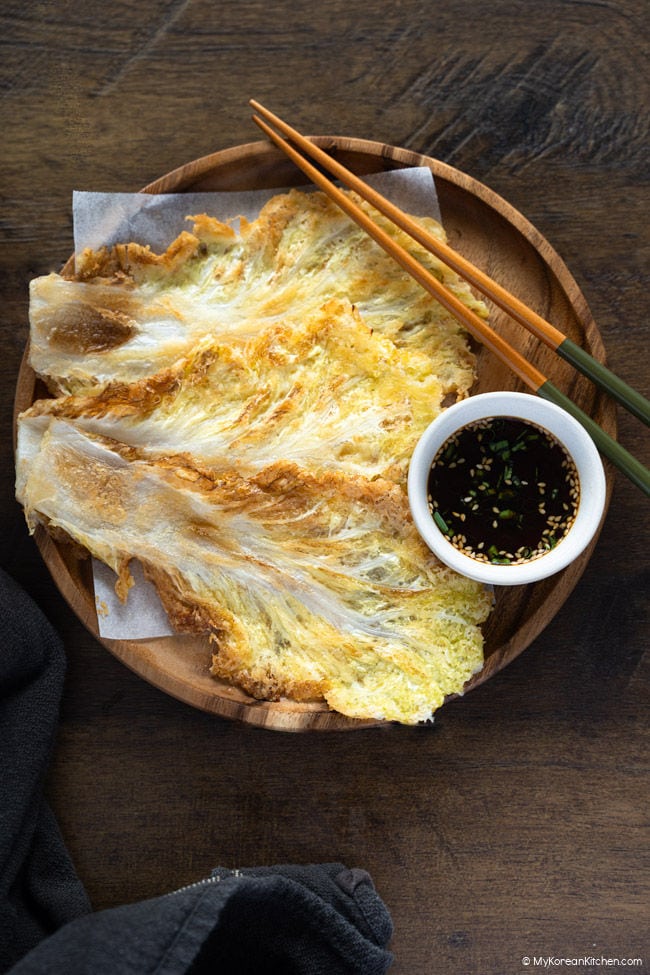
Baechujeon (배추전) derives its name from baechu (napa cabbage) and jeon (pan-fried dish). Traditionally enjoyed during the autumn and winter months when napa cabbage is at its peak harvest, this dish is a staple of ancestral rites (jesa) and holiday tables. Unlike many other pancakes that rely on an abundance of fillings, Baechujeon is defined by the integrity of the cabbage leaf itself.
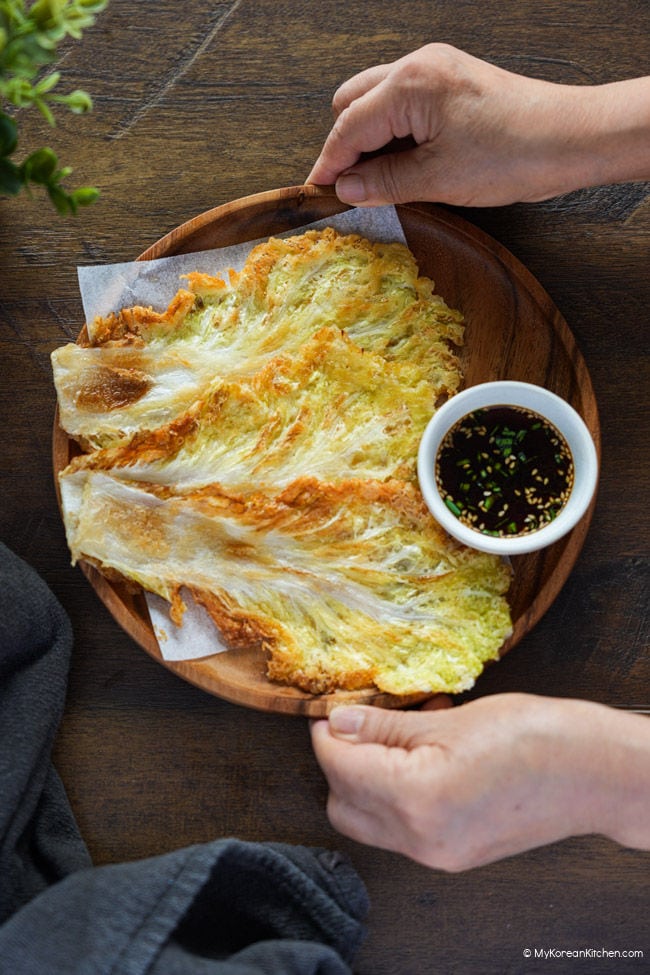
The philosophy behind the dish is one of minimalism. By lightly coating whole, tender leaves in a thin batter and searing them until crisp, the chef preserves the cabbage’s natural sweetness, which caramelizes slightly under the heat. The resulting texture—a contrast between the supple, succulent heart of the leaf and the brittle, golden-brown edges—is the hallmark of a perfectly executed Baechujeon.
Chronology: From Garden to Skillet
The preparation of Baechujeon is a methodical process that demands attention to detail at every stage. It is not merely about frying; it is about manipulating the texture of the vegetable to achieve a harmonious bite.
1. Preparation and Scoring
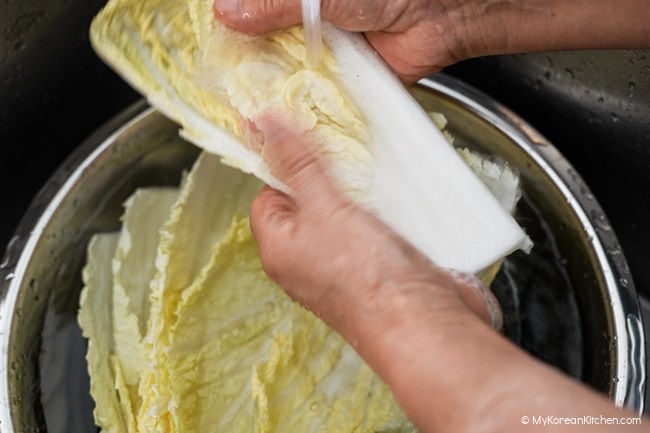
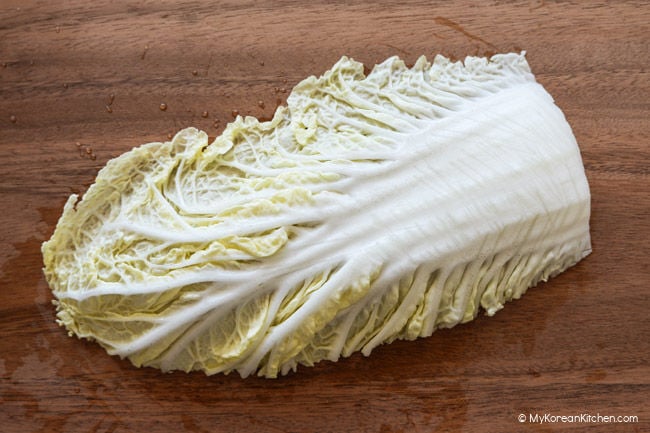
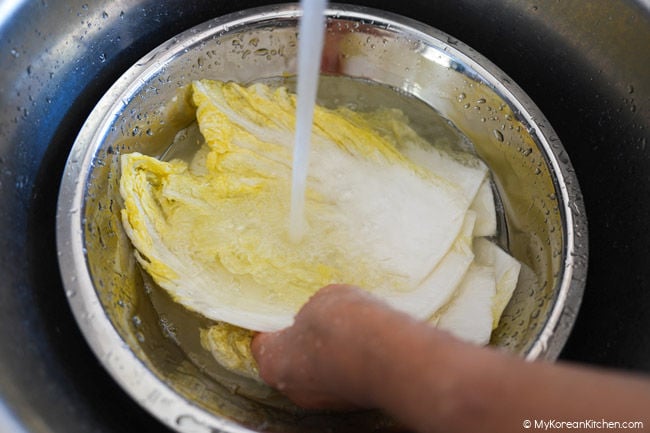
The process begins with the careful selection of fresh, crisp napa cabbage. Each leaf must be rinsed thoroughly under cold running water to remove any impurities. A critical, often overlooked step involves scoring the thick, fibrous white stems of the cabbage. By making shallow, parallel incisions across the stem, the cook ensures that the heat penetrates evenly, allowing the stem to soften at the same rate as the thinner, more delicate green parts of the leaf. This technique not only improves the final texture but also makes the leaf more pliable, allowing it to lay flat in the pan.
2. The Salting Phase
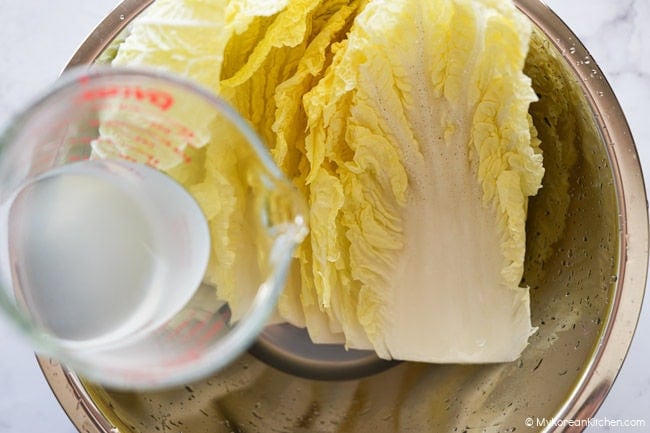
Once cleaned and scored, the leaves undergo a brief curing process. Dissolving high-quality sea salt in warm water creates a brine that gently draws out excess moisture from the cabbage. This is not intended to ferment the vegetable, but rather to tenderize the cell walls and impart a subtle seasoning that permeates the entire leaf. A resting period of five minutes is typically sufficient; exceeding this can lead to a loss of crunch, which is undesirable for the final product.
3. The Batter Composition
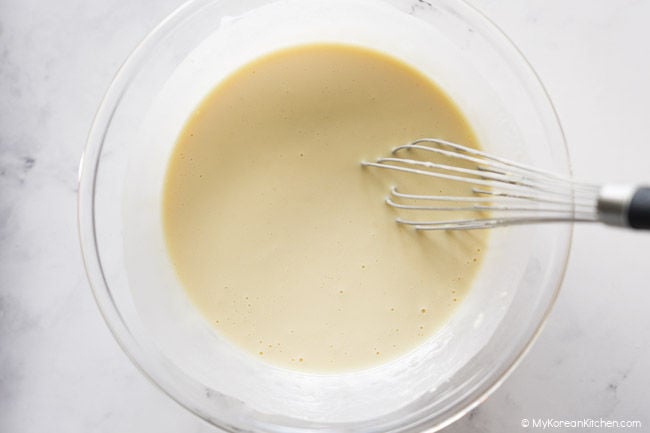
The batter for Baechujeon must be remarkably thin. It acts not as a heavy breading, but as a translucent veil that protects the cabbage from direct contact with the oil. A simple mixture of flour, water, and perhaps a pinch of salt is standard. The goal is a viscosity that allows the cabbage to be coated while still remaining visible through the batter.
4. The Frying Technique
The frying process is the culmination of the effort. A large, flat-bottomed pan is essential. The choice of oil is paramount; while neutral oils are often used, traditionalists frequently advocate for perilla oil. Perilla oil offers a distinctively nutty, aromatic profile that complements the sweetness of the cabbage. As the leaves are placed in the pan, they should be arranged in a single layer to ensure uniform crisping. The heat must be maintained at a steady medium level; too high, and the edges will burn before the stems are cooked; too low, and the pancake will become oily and lose its crispness.
Supporting Data: Nutritional Profile and Culinary Balance
While Baechujeon is often viewed as a comfort food, it is also a relatively light dish. Based on standard preparation methods, a single serving contains approximately 54 calories, making it a nutrient-dense option compared to deep-fried appetizers.
| Nutritional Component | Estimated Value per Serving |
|---|---|
| Calories | 54 kcal |
| Carbohydrates | 9g |
| Protein | 1g |
| Fat | 1g |
| Sodium | 619mg |
| Fiber | 0.5g |
The moderate sodium content is primarily derived from the seasoning of the batter and the optional use of saeujeot (salted shrimp) in the dipping sauce, which adds a layer of umami depth. This umami is essential, as it provides a savory counterbalance to the natural sugar found in the cabbage, creating a balanced flavor profile that lingers on the palate.
Official Culinary Perspectives and Expert Tips
Culinary experts emphasize that the success of Baechujeon lies in the "less is more" approach. The following tips are widely regarded as the gold standard for achieving the perfect texture:
- Temperature Control: Do not overcrowd the pan. Cooking in batches ensures that the moisture released by the cabbage can evaporate quickly, which is essential for achieving a crispy exterior.
- The "Pat-Dry" Method: After rinsing the salted cabbage, ensure it is only lightly moist. Excess water will dilute the batter and lead to a soggy pancake.
- The Dipping Sauce: Never serve Baechujeon without a side of dipping sauce. A mixture of soy sauce, vinegar, and a touch of chili flakes or sesame seeds provides the acidity needed to cut through the richness of the frying oil.
- Freshness: Use the freshest cabbage possible. As cabbage ages, its sugar content decreases and its water content changes, which significantly alters the final flavor of the dish.
Implications: The Modern Revival of Traditional Jeon
In recent years, there has been a resurgence of interest in traditional, vegetable-forward Korean dishes. As global culinary trends move toward sustainability and the celebration of raw ingredients, Baechujeon is gaining traction beyond Korea.
The implication of this shift is twofold. First, it democratizes Korean cooking, showing that one does not need rare or expensive ingredients to create a sophisticated meal. Second, it highlights the importance of technique over artifice. Baechujeon cannot be hidden behind heavy sauces or excessive garnishes; it stands or falls on the skill of the cook.
Furthermore, the dish aligns perfectly with the modern "farm-to-table" ethos. Because it relies on a single, primary vegetable, the quality of that vegetable dictates the quality of the meal. This encourages consumers to seek out higher-quality, locally grown produce, effectively bridging the gap between historical peasant cooking and contemporary culinary excellence.
Conclusion
Baechujeon is more than just a pancake; it is a culinary exercise in restraint. By stripping away the distractions, it allows the diner to appreciate the subtle, earthy sweetness of napa cabbage, elevated by the nutty aroma of perilla oil and the crisp, golden finish of a well-controlled sear. Whether served as a side dish or a light main course, it remains an enduring symbol of the elegance found in simplicity. As we continue to navigate a culinary world often dominated by excess, the quiet, golden crunch of a perfect Baechujeon serves as a delicious reminder that sometimes, the best ingredients are the ones we have known all along.
 Raul Delapena Setiawan
  Asep Darmawan
  Nana Wu
