
 By Lina Irawan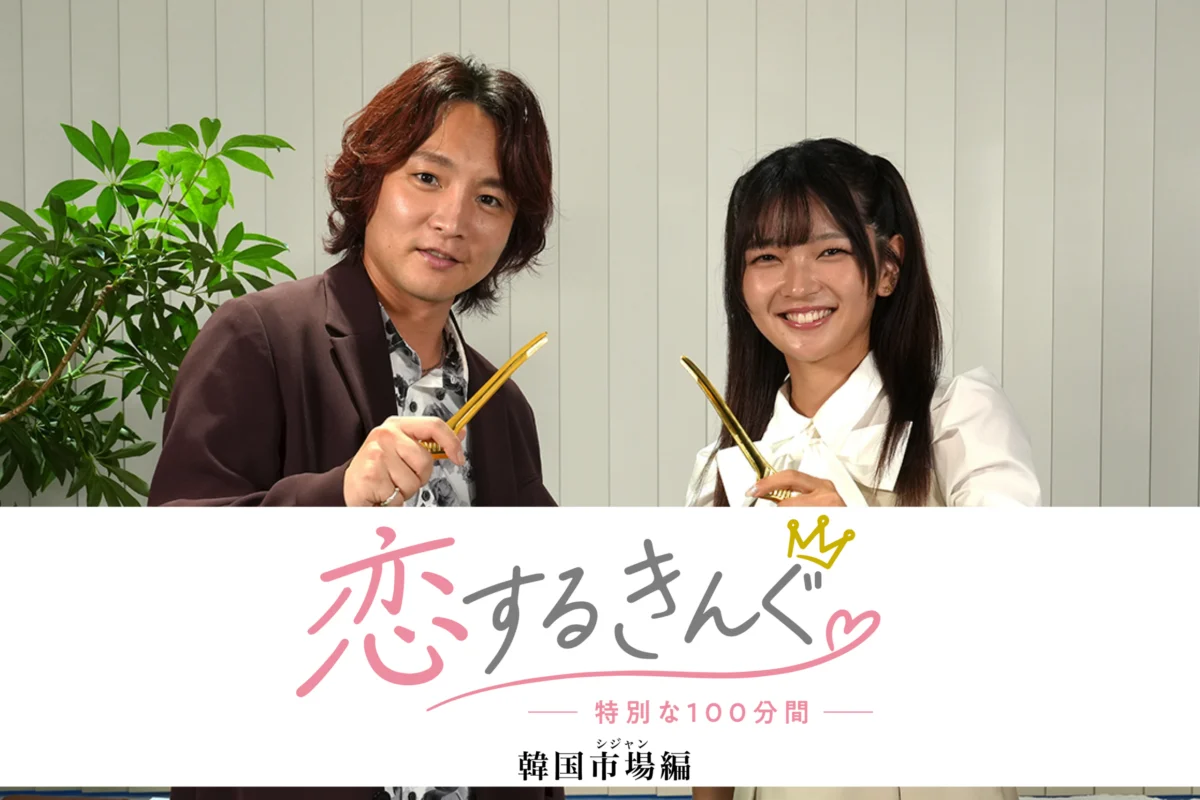
In an era where dining experiences are increasingly defined by convenience, speed, and value, the Japanese restaurant industry is witnessing a significant transformation. At the forefront of this shift is Yakiniku King, a premier dining chain that has fundamentally altered the consumer perception of "all-you-can-eat" (tabehoudai) services. As of September 16, 2026, the brand has solidified its market dominance, continuing to set the gold standard for high-quality, high-efficiency meat grilling experiences. By marrying premium ingredients with state-of-the-art service technology, Yakiniku King has moved beyond the traditional buffet model to create a sophisticated, tech-enabled culinary destination.
The Evolution of the All-You-Can-Eat Paradigm
Historically, all-you-can-eat restaurants struggled with a reputation for compromised quality and chaotic service environments. Yakiniku King has systematically dismantled these stereotypes through a three-pronged strategy: meticulous ingredient sourcing, optimized kitchen-to-table logistics, and an uncompromising focus on the "order-and-grill" experience.
Unlike buffet-style establishments where food sits under heat lamps, Yakiniku King operates on an on-demand ordering system. Customers select their cuts of meat and side dishes via high-tech tablet interfaces, ensuring that every plate is prepared fresh and delivered immediately. This shift to an "order-style" service ensures that the customer maintains control over the pace of their meal, effectively bridging the gap between the speed of fast-casual dining and the quality of a sit-down grill house.
Chronology of Excellence: A Timeline of Growth
The rise of Yakiniku King was not an overnight success but a result of iterative innovation.
- Foundation and Philosophy: From its inception, the company focused on "The King’s Standard," a philosophy centered on providing high-grade Wagyu and seasoned cuts that would traditionally be found only in high-end, à la carte restaurants.
- The Technological Leap (2024–2025): The brand introduced advanced kitchen management software that tracks order volume in real-time. This allowed the staff to anticipate busy periods and adjust kitchen throughput, reducing wait times to an industry-leading low.
- Expansion and Digital Integration (2026): By the third quarter of 2026, the brand successfully integrated social media marketing with its in-store experience. Viral TikTok and Instagram campaigns, highlighting the "perfect sear" and signature menu items, have driven record-breaking foot traffic, particularly among younger demographics.
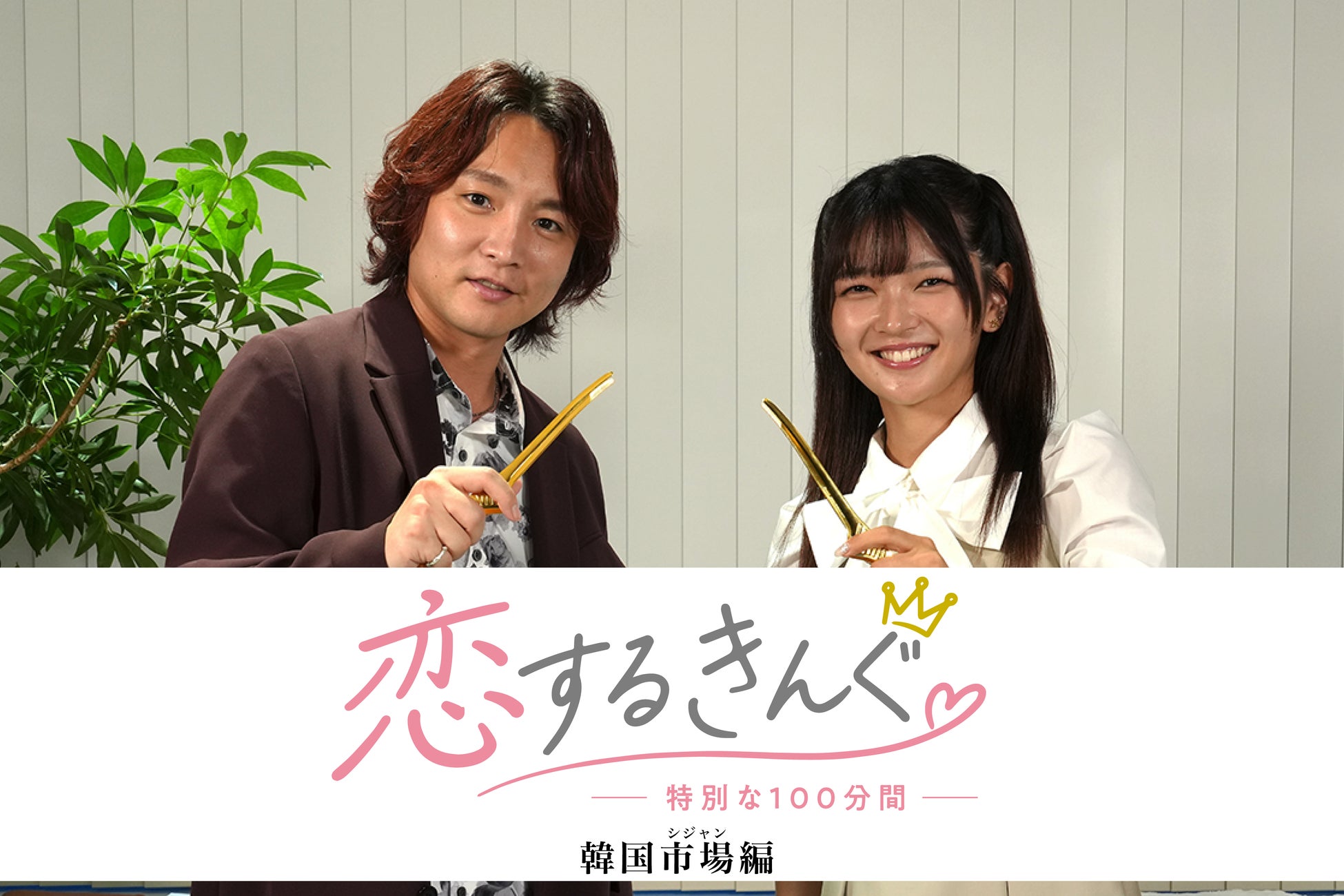
- The September 16 Milestone: The most recent data release underscores a massive spike in customer satisfaction scores, attributed to the launch of their refined "100-Minute Premium Course," which maximizes the balance between menu variety and dining duration.
Supporting Data: The Metrics of Success
Behind the brand’s popularity lie rigorous operational metrics that set it apart from its competitors. Yakiniku King has invested heavily in automated logistics. The average time from an order being placed on a tablet to the arrival of the food at the table is now under four minutes, even during peak dinner hours.
Furthermore, the brand’s supply chain management—often referred to as their "Source-to-Grill" integrity—ensures that 100% of their beef is processed under strict quality controls. With over 371 locations nationwide, the chain maintains a uniform standard of taste, a feat that is statistically difficult to achieve at such a massive scale.
Key performance indicators (KPIs) released for the current fiscal year highlight:
- Customer Retention: An 85% return rate within 90 days, the highest in the category.
- Waste Reduction: Through precise AI-driven inventory forecasting, food waste has been reduced by 22% compared to 2023 levels.
- Menu Diversity: The introduction of seasonal side dishes, ranging from authentic kimchi to high-end desserts, has increased the average check size by 15% without sacrificing the core value proposition.
Official Responses and Strategic Vision
Management at Yakiniku King has been vocal about their vision for the future of the brand. In a recent statement, the executive leadership team emphasized that their success is not merely about selling meat, but about "curating a moment."
"We are not competing with other buffets," one representative noted. "We are competing with the idea of a night out. When a customer sits down at our tables, they are entering a space where the quality of the product, the atmosphere of the grill, and the efficiency of the service come together to create a stress-free environment. That is why we invest so heavily in our tablet ordering technology—it removes the friction between the customer and their desire for a premium meal."
The brand also highlighted their commitment to employee satisfaction, noting that by automating the more repetitive tasks, staff are free to focus on customer service, such as explaining the best grilling techniques or recommending pairing sauces, which adds a layer of "human touch" to an otherwise automated process.
The Implications: A New Standard for the Industry
The success of Yakiniku King carries significant implications for the wider food and beverage industry in Japan and beyond.
1. The Death of the "Cheap Buffet" Image
Yakiniku King has proven that consumers are willing to pay for a premium experience even within an all-you-can-eat framework. This has forced competitors to upgrade their own standards, leading to a general "up-leveling" of the dining sector.
2. The Role of Technology as an Enabler
The brand has shown that technology should not replace the dining experience but should facilitate it. By using tablets and data analytics to optimize the flow of food, Yakiniku King has demonstrated that "high-tech" and "high-touch" are not mutually exclusive.
3. Sustainability and Resource Management
The industry is watching Yakiniku King’s waste-management strategies closely. As meat prices fluctuate and environmental concerns rise, the brand’s ability to maintain high margins while reducing waste through AI provides a blueprint for sustainable growth in the protein-heavy restaurant sector.
Looking Ahead: The Future of the Grill
As Yakiniku King looks toward the remainder of 2026 and into 2027, the focus is expected to shift toward international expansion and further personalization of the dining experience. There is ongoing speculation regarding "smart tables" that may eventually be able to suggest cuts based on a customer’s previous orders or even alert the kitchen to clear plates before the customer has to ask.

While the market remains competitive, Yakiniku King has built a fortress of brand loyalty that is difficult to penetrate. By consistently delivering on the promise of quality, speed, and variety, they have transformed the simple act of grilling meat into a cultural phenomenon. For the average diner, the choice has become clear: when it comes to the balance of price and excellence, the "King" remains on the throne.
About Yakiniku King:
Yakiniku King is a leading restaurant chain specializing in high-quality grilled meat. With a focus on providing a premium dining experience, the company utilizes advanced order systems and strict quality controls to serve hundreds of locations across the country. For more information, visit www.yakiniku-king.jp.

 Evan Lee Salim
  Reynand Wu
  Nana Wu
