
 By Siti Muinah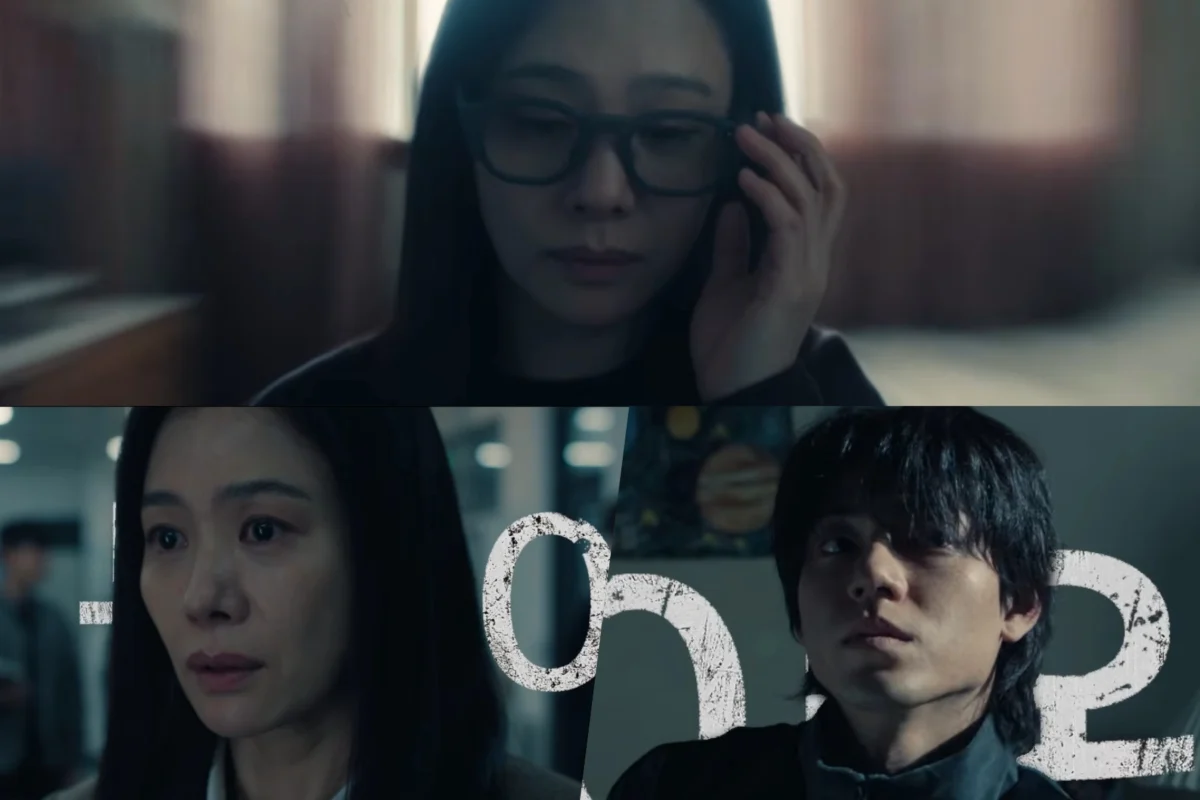
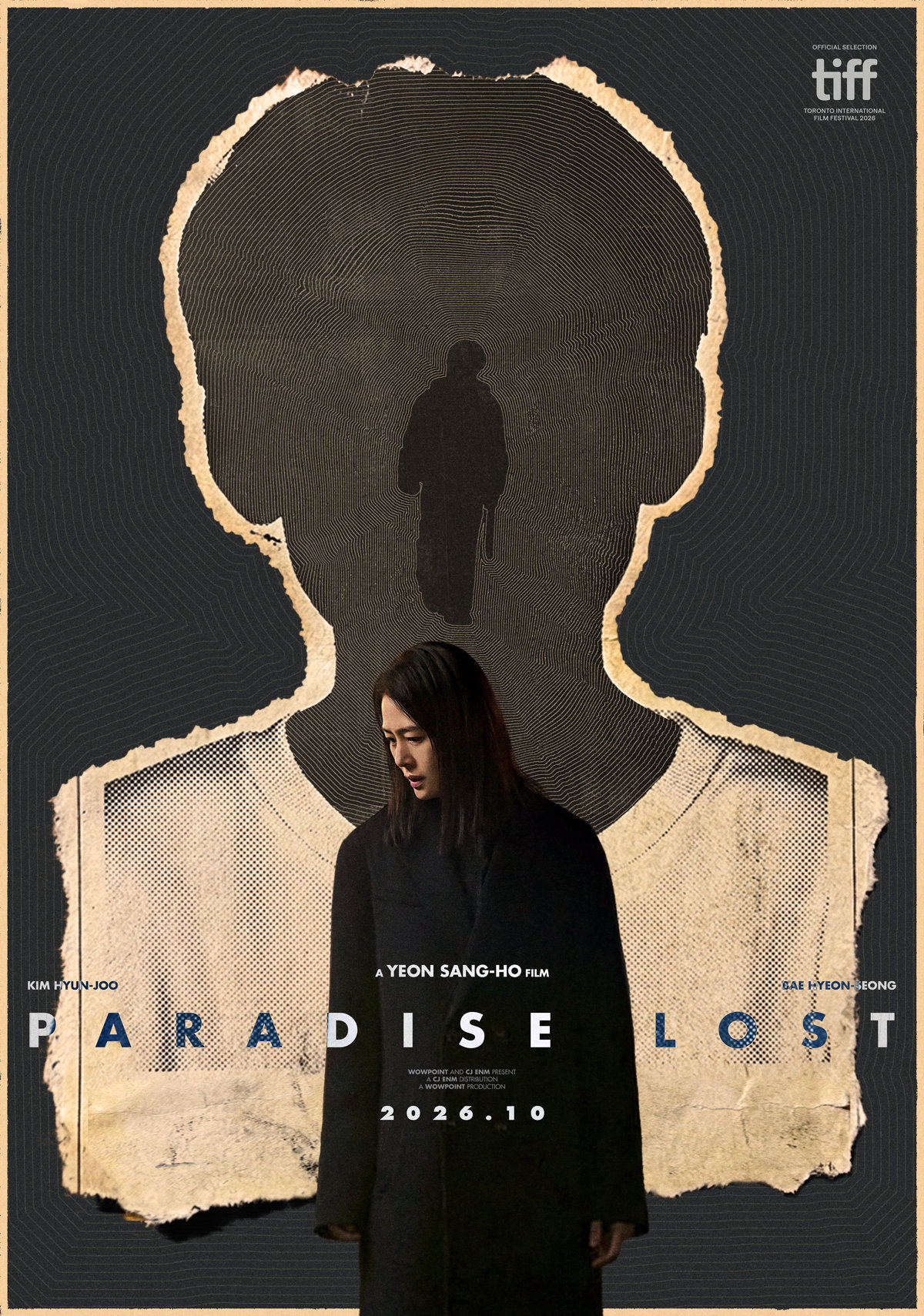
A highly anticipated cinematic event is on the horizon as acclaimed South Korean auteur Yeon Sang-ho prepares to return to the global stage. On July 21, prominent South Korean film distributor CJ ENM officially commenced the promotional campaign for Yeon’s latest feature film, Paradise Lost, by releasing its first teaser poster and trailer. The film, which stars veteran actress Kim Hyun-joo and rising star Bae Hyeon-seong, promises a chilling exploration of maternal grief, technological surrogacy, and the uncanny valley of familial reunion.
Set to make its world premiere in the prestigious Special Presentations section of the 51st Toronto International Film Festival (TIFF) this September, Paradise Lost has already positioned itself as one of the most anticipated genre offerings of the autumn season. Following its international festival run, the film is scheduled for a domestic theatrical release in South Korea in October.
Main Facts
Paradise Lost is a psychological thriller that delves into the unsettling consequences of unresolved trauma and the modern intersection of human grief and artificial intelligence. The narrative centers on Ryu So-young (played by Kim Hyun-joo), a devastated mother whose life was shattered nine years prior when her young son, Sun-woo, went missing during a tragic school camping-trip bus incident.
+-----------------------------------------------------------------------------+
|                             PARADISE LOST                                   |
+-----------------------------------------------------------------------------+
|  Director: Yeon Sang-ho                                                     |
|  Distributor: CJ ENM                                                        |
|  Lead Cast: Kim Hyun-joo (as Ryu So-young), Bae Hyeon-seong (as Sun-woo)    |
|  Key Themes: Artificial Intelligence, Maternal Grief, Uncanny Reunions      |
|  Festival Debut: 51st Toronto International Film Festival (Sept 10-20)      |
|  Domestic Release: October (Theatrical)                                     |
+-----------------------------------------------------------------------------+
To cope with her profound loss, So-young turns to an advanced artificial intelligence program that recreates her son as he was when he disappeared—a perpetual child existing within a digital interface. For nearly a decade, this digital surrogate serves as her primary emotional anchor.
The delicate equilibrium of her simulated peace is shattered when her real son, Sun-woo (played by Bae Hyeon-seong), suddenly returns home. Now a fully grown young man, his return should be a miracle. Instead, his presence introduces a suffocating atmosphere of dread. So-young finds herself unable to reconcile the boy she lost—and the digital avatar she has nurtured—with the silent, enigmatic stranger now living under her roof. This tension sets the stage for an uncomfortable, high-stakes cohabitation that forms the emotional and psychological core of the film.
Chronology
The development, production, and release roadmap of Paradise Lost highlights its transition from a highly anticipated screenplay to a major international festival contender:
The Backstory: A Nine-Year Disappearance
The narrative timeline of the film begins nine years prior to the main events. A school camping trip ends in catastrophe when a bus carrying several children, including young Sun-woo, vanishes without a trace. While the community moves on, Ryu So-young remains trapped in her grief.
The Era of Digital Consolation
In the years following the disappearance, So-young adopts an emerging AI technology designed to alleviate bereavement. By feeding the program childhood memories, voice recordings, and photographs, she interacts daily with a virtual replica of her young son. This digital loop keeps her emotionally suspended in the past.
The Unexpected Return
Nearly a decade after the incident, Sun-woo suddenly reappears. He is no longer the child preserved in So-young’s AI software, but a quiet, mature young adult. His sudden return raises immediate questions about where he has been, how he survived, and who he has become.
Production and Promotion
- Casting and Principal Photography: Director Yeon Sang-ho secured Kim Hyun-joo and Bae Hyeon-seong as his leads, reuniting with Kim after their successful collaborations on high-profile streaming projects.
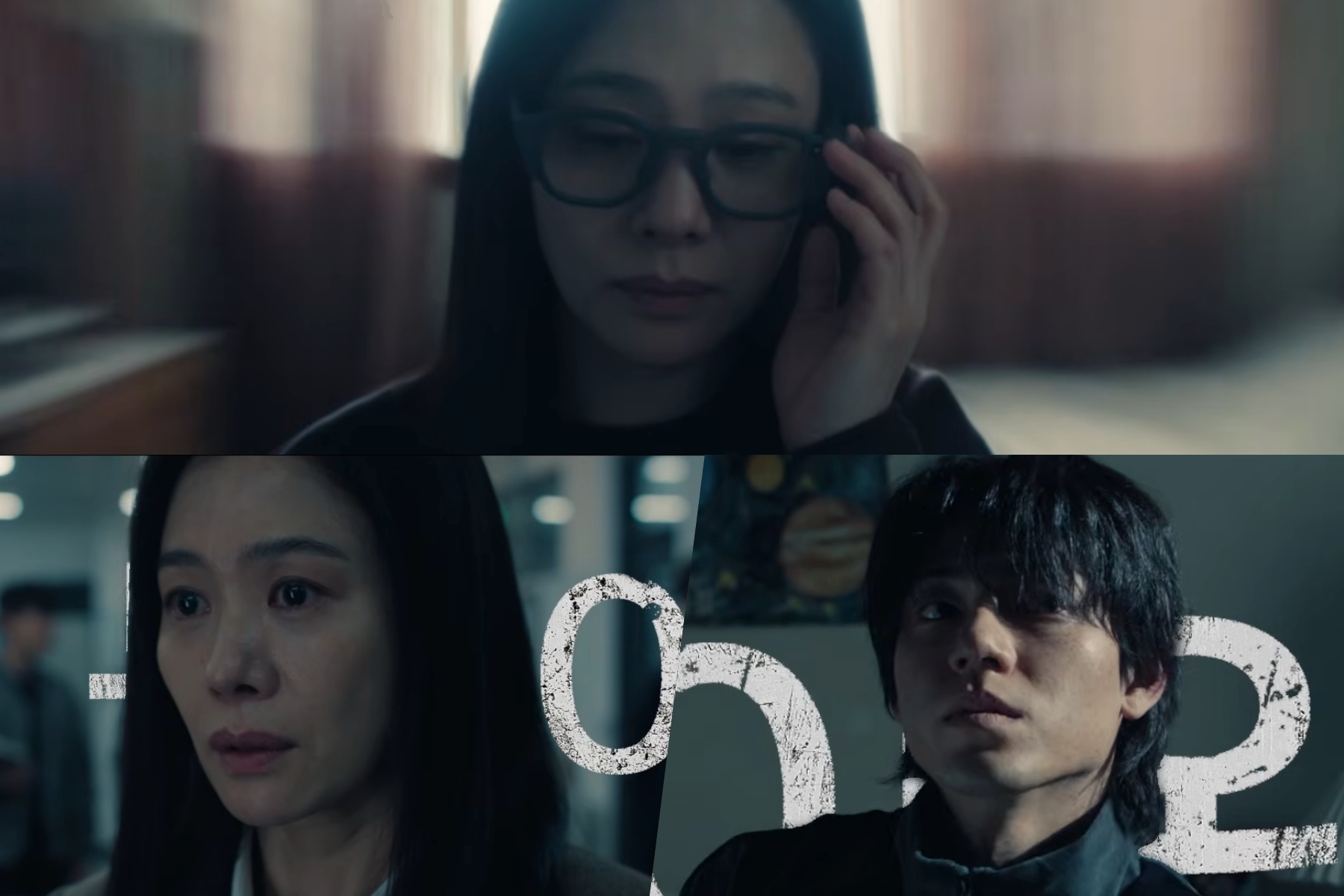
- July 21: Distributor CJ ENM officially launches the film’s promotional cycle. The first teaser poster—featuring stark, atmospheric imagery—and a highly suspenseful teaser trailer are released to the public, igniting immediate interest among domestic and international cinephiles.
- September 10–20: Paradise Lost will make its international debut at the 51st Toronto International Film Festival in Canada, featured in the "Special Presentations" program.
- October: Following its international premiere, the film will be distributed theatrically across South Korea by CJ ENM.
Supporting Data
To understand the artistic and commercial weight behind Paradise Lost, it is essential to examine the creative pedigree of its director and the profiles of its leading actors.
The Director: Yeon Sang-ho’s Genre Legacy
Director Yeon Sang-ho has long been a defining voice in contemporary South Korean cinema and television. He possesses a unique ability to blend high-concept genre elements—such as zombies, supernatural entities, and dystopian technology—with sharp commentary on human nature, social stratification, and systemic failure.
Yeon Sang-ho's Major Filmography:
------------------------------------------------------------
• Train to Busan (2016)      - Global Zombie Phenomenon
• Peninsula (2020)           - High-Octane Post-Apocalyptic Action
• Hellbound Series (Netflix) - Supernatural Theological Thriller
• Parasyte: The Grey (2024)  - Sci-Fi Body Horror Adaptation
• Paradise Lost (2025)       - Psychological AI Thriller
------------------------------------------------------------
With Paradise Lost, Yeon appears to be pivoting toward a more intimate, claustrophobic style of psychological horror, contrasting the grand scale of Train to Busan with the domestic tension of a mother-son relationship.
Character Profiles and Cast Dynamics
Ryu So-young (Played by Kim Hyun-joo)
So-young is a character defined by arrested development and technological dependency. Her grief has been artificially sustained by an AI program, making her psychological adjustment to her actual, grown-up son highly volatile.
Kim Hyun-joo’s casting brings immense dramatic weight to the project. Known for her versatility, Kim has successfully transitioned from classic television dramas to intense genre pieces. Her previous collaborations with Yeon Sang-ho—most notably in Netflix’s dark fantasy series Hellbound and the sci-fi feature Jung_E—demonstrate a strong creative shorthand between director and actress. Kim’s performance in Paradise Lost is expected to be a masterclass in psychological disintegration.
Sun-woo (Played by Bae Hyeon-seong)
Sun-woo is the catalyst for the film’s suspense. Returning after a nine-year absence, his silence, physical maturity, and unfamiliar mannerisms alienate his mother. The narrative keeps the audience guessing: is he a victim of a decades-long trauma, or is there a more sinister explanation behind his return?
Bae Hyeon-seong, a rising star recognized for his charming and sympathetic roles in dramas like Family by Choice and Our Blues, undergoes a significant dramatic transformation here. Playing an enigmatic, potentially unsettling character allows Bae to showcase his range, moving away from his established romantic-hero image into the realm of psychological thrillers.
Official Responses and Industry Reception
The announcement of Paradise Lost has drawn significant attention from film critics, industry insiders, and festival programmers alike.
Toronto International Film Festival (TIFF) Selection
The programming committee for the 51st Toronto International Film Festival highlighted the film’s inclusion in the "Special Presentations" section, a category reserved for high-profile premieres from world-renowned filmmakers. This marks Director Yeon’s return to Toronto, following his invitation to the festival last year for his film The Face.
TIFF programmers have historically championed South Korean genre cinema, noting that Yeon’s ability to ground fantastical or high-tech concepts in deeply felt human emotions makes his work highly accessible to global audiences.
CJ ENM’s Promotional Campaign
Representatives from CJ ENM expressed strong confidence in the film’s commercial and critical prospects. In an official statement accompanying the trailer release, the distributor emphasized the film’s unique narrative hook:
"Director Yeon Sang-ho has crafted a highly original thriller that questions the limits of maternal love and the potential dangers of relying on technology to heal human grief. The intense chemistry between Kim Hyun-joo and Bae Hyeon-seong will keep audiences on the edge of their seats."
Implications
The production and release of Paradise Lost carry several broader implications for the South Korean film industry, the evolution of the thriller genre, and the thematic exploration of artificial intelligence in art.
The Rise of "Grief Tech" in Cinema
As real-world artificial intelligence continues to advance, the concept of "grief technology"—using AI, deepfakes, and VR to recreate deceased or missing loved ones—has moved from the realm of far-off science fiction into reality. Paradise Lost serves as a timely cultural reflection on this phenomenon.
By exploring the psychological fallout of a mother who prefers a static, digital avatar of her child over the unpredictable, flesh-and-blood reality of her grown son, the film taps into contemporary anxieties surrounding technological isolation and emotional avoidance.
The Evolution of the "Yeon-verse"
For years, Yeon Sang-ho was synonymous with large-scale disaster films and supernatural action. However, Paradise Lost suggests a maturation and diversification of his directorial style. By centering the film on two characters in a single household, Yeon is challenging himself with a character-driven, slow-burn thriller. This shift could pave the way for more diverse projects from the director, proving his versatility beyond big-budget blockbusters.
       [Traditional Thriller Elements]
                     │
                     ├─► [Paradise Lost] ◄─┤
                     │                     │
       [Real-World AI Anxiety]    [Claustrophobic Domestic Drama]
Boosting the Global Footprint of K-Content
The film’s dual strategy—premiering at a major North American festival like TIFF before launching theatrically in South Korea—underscores the globalized nature of modern South Korean cinema. No longer confined to domestic markets first, high-profile Korean films are designed for immediate international consumption.
The success of Paradise Lost on the festival circuit could further solidify South Korea’s reputation as a powerhouse of sophisticated, thought-provoking genre cinema that appeals equally to art-house critics and mainstream audiences.


 Suro Senen
  Asro
Asro  Azzam Bilal Chamdy
