
 By Lina Hope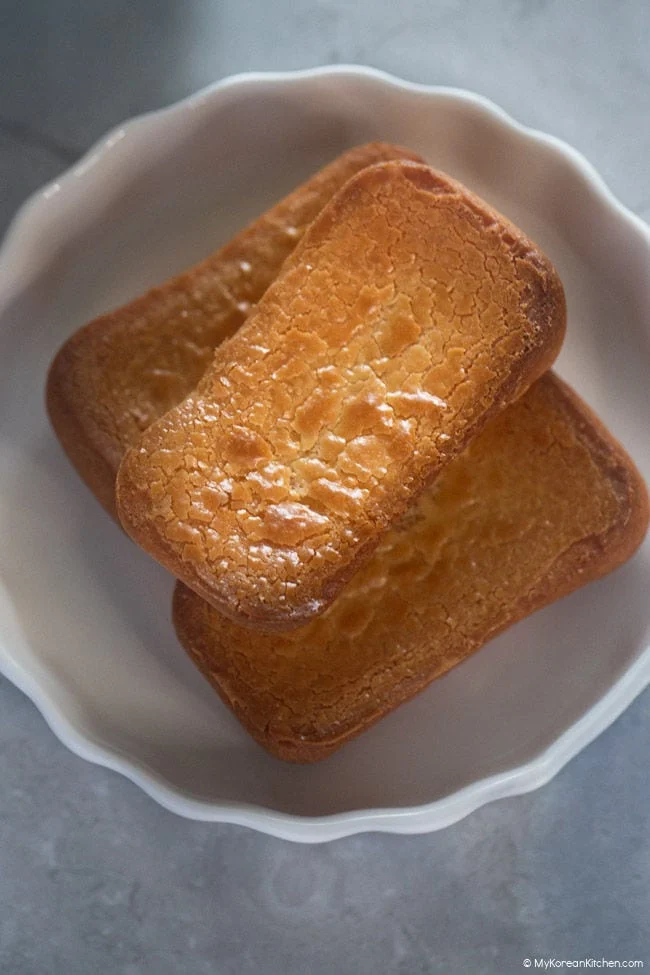
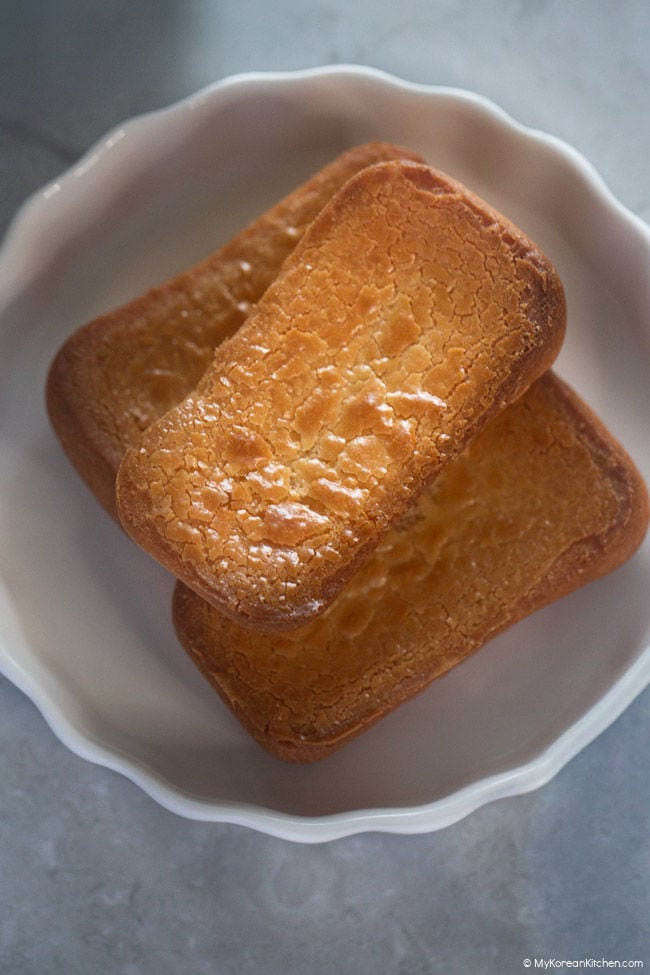
In the landscape of contemporary Korean desserts, few items have sparked as much culinary curiosity as the "butter tteok." Bridging the gap between traditional heritage and modern bakery aesthetics, this baked confection has evolved from a niche curiosity into a staple of modern Korean cafe culture. Unlike the steamed rice cakes that have anchored Korean festive tables for centuries, butter tteok offers a unique sensory profile: a golden, crisp exterior that gives way to a dense, chewy, and irresistibly buttery interior.
Main Facts: Deconstructing the Modern Rice Cake
Butter tteok is a sophisticated fusion dessert. At its core, it relies on glutinous rice flour, which provides the quintessential "tteok" (rice cake) chewiness, but it diverges sharply from tradition through its preparation method—baking rather than steaming—and its rich ingredient profile, which includes butter, milk, and eggs.
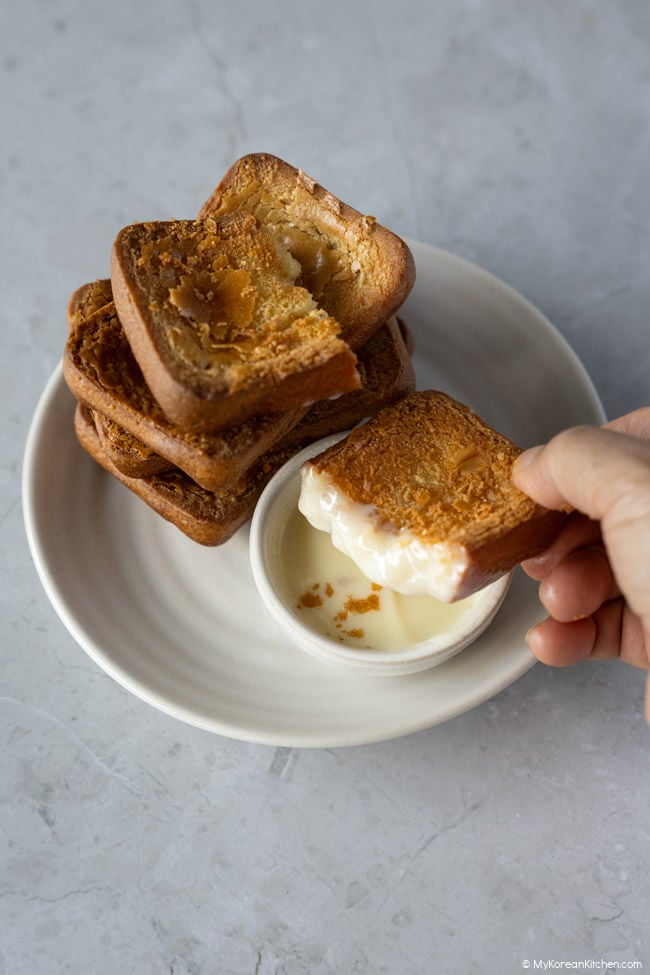
While the term "tteok" implies a deep-rooted history, butter tteok is fundamentally a modern, Western-influenced pastry. Culinary historians suggest that its roots are not strictly indigenous to the Korean peninsula; rather, it appears to be a regional evolution of baked rice-based treats that gained traction in Shanghai before being adapted and perfected by the innovative minds in Korean bakeries.
The result is a treat that occupies a hybrid space in the bakery case. Its texture is often compared to a hybrid of a French madeleine and a dense mochi, providing a familiar yet novel eating experience. It is designed to be a "slow snack"—one meant to be savored alongside high-quality coffee or loose-leaf tea, where its subtle sweetness and fatty, buttery mouthfeel can be fully appreciated.
Chronology: The Journey from Concept to Culinary Phenomenon
The trajectory of butter tteok mirrors the broader global trend of "fusion baking."
- Pre-2020: The Inception: Similar baked mochi-style cakes began appearing in various Asian metropolitan centers. These early iterations were often experimental, focusing on finding the right ratio of starches to moisture to prevent the rice flour from becoming too brittle during the baking process.
- 2021–2023: The Korean Bakery Adoption: Korean boutique bakeries began refining the recipe, introducing higher-quality cultured butter and adjusting sugar ratios to appeal to the discerning Korean palate, which generally favors lower sugar content than Western counterparts.
- 2024–Present: The Digital Explosion: With the rise of short-form food media, the visual appeal of "pulling" a piece of butter tteok—showcasing its elastic, chewy center—propelled the dessert to viral status. This period marked its transition from a local bakery secret to a home-baking project for enthusiasts worldwide.
Supporting Data: Why the Recipe Succeeds
The success of a great butter tteok is not accidental; it is a matter of chemistry and thermal dynamics. Through extensive culinary testing, three pillars of success have emerged:
1. The Power of the Maillard Reaction
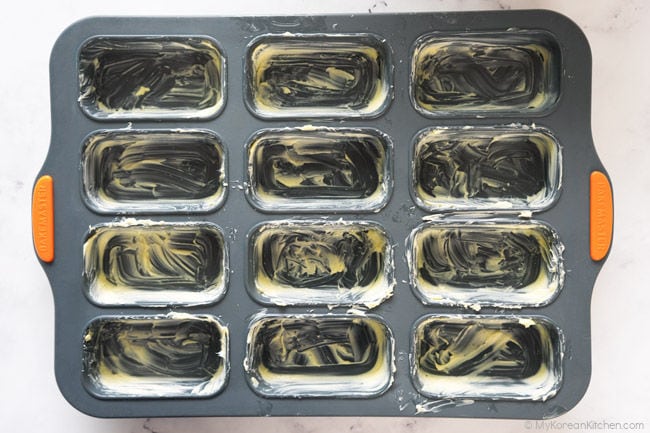
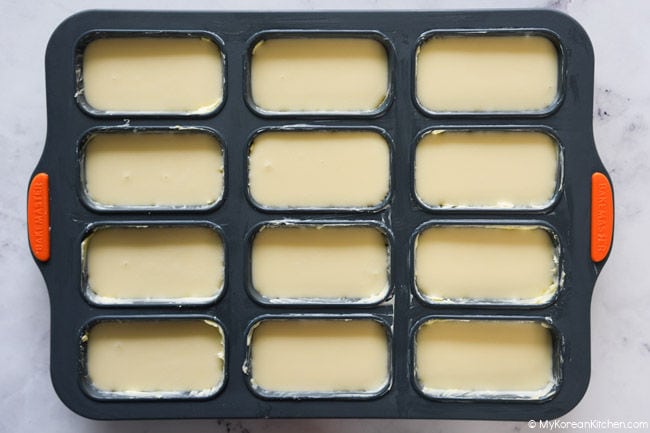
Unlike steamed cakes, which remain pale and uniform in texture, the baking process allows for the Maillard reaction to occur. By utilizing a metal baking pan rather than silicone, the exterior of the tteok is subjected to conductive heat that creates a biscuit-like, golden-brown crust. This contrast between the crisp shell and the hydrated, chewy core is the defining characteristic that elevates it above a standard steamed cake.
2. Ingredient Ratios and Emulsification
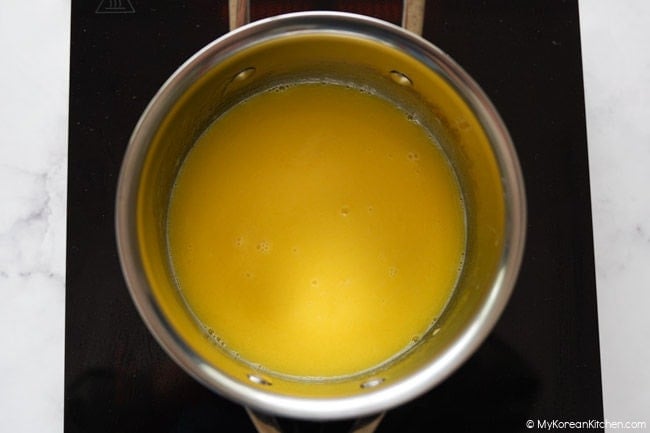
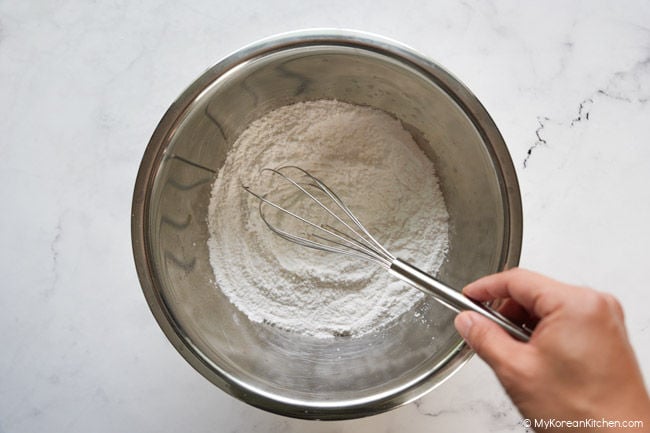
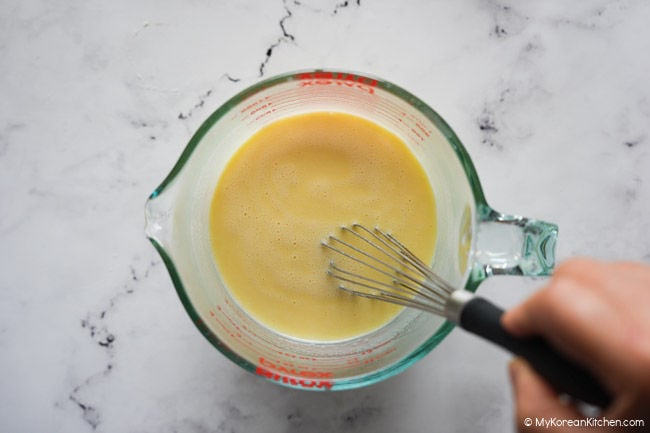
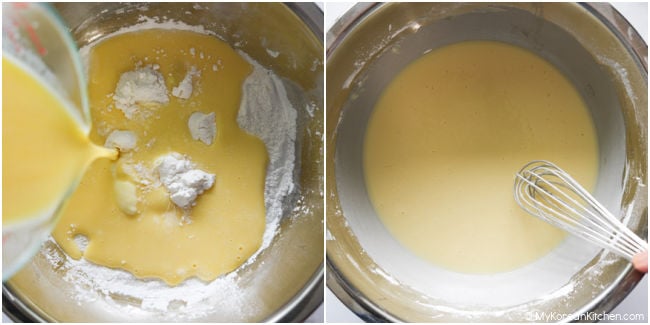
The synergy between glutinous rice flour and tapioca flour is critical. The glutinous rice provides the stretch, while the tapioca flour adds a structural stability that prevents the cake from becoming a gummy mess. The addition of warm milk and melted butter creates an emulsion that, when baked, ensures the fats are evenly distributed, leading to a uniform, tender crumb that avoids the "pasty" texture often associated with poorly executed rice cakes.
3. The Necessity of the "Resting Period"
Data from professional bakers indicates that moisture redistribution is key. Immediately after baking, the starches are unstable. Allowing the tteok to rest for at least 15 minutes is not merely about cooling; it is about allowing the internal crumb to set. A two-hour rest is often considered the "golden window," where the flavors meld and the texture achieves that sought-after, cohesive, and signature chewiness.
Official Perspectives and Expert Culinary Commentary
Culinary experts note that the emergence of butter tteok signals a shift in how Korean consumers view traditional ingredients. "We are seeing a ‘democratization’ of tteok," notes one industry analyst. "By removing the need for specialized steaming equipment and complex fermentation processes, butter tteok allows home cooks to engage with rice flour in a way that feels approachable, familiar, and inherently indulgent."
From the perspective of pastry chefs, the dessert is a masterclass in texture management. By treating glutinous rice like a batter rather than a dough, chefs are able to introduce flavor profiles—such as vanilla, matcha, or even savory cheese—that would traditionally be difficult to incorporate into a steamed tteok.
Implications: The Future of Fusion Pastries
The popularity of butter tteok carries significant implications for the future of the bakery industry:
A Sustainable Niche
As more consumers look for gluten-friendly options (as rice flour is naturally gluten-free), butter tteok serves as a bridge for those seeking comfort foods that fit specific dietary preferences without sacrificing the "bakery experience."
The Rise of the "Home-Bakery Economy"
The accessibility of this recipe—which requires only a bowl, a whisk, and a standard oven—has fostered a community of home bakers. The ability to achieve bakery-quality results at home using simple tools like a metal mini-loaf pan has contributed to its sustained popularity on social media platforms like Instagram and TikTok.
Long-term Storage and Commercial Viability
One of the most significant hurdles for traditional rice cakes is their shelf life; they often harden or spoil within 24 hours. Butter tteok, however, demonstrates superior stability. Its fat content acts as a preservative, and it freezes exceptionally well. When reheated—ideally in an air fryer or oven—it regains its crisp exterior and chewy core, making it a viable product for the frozen dessert market or for consumers who prefer to "batch prep" their snacks for the week.
The Verdict: A Modern Classic
Butter tteok is more than just a passing fad. It is a testament to the versatility of rice-based cookery. By blending the ancient tradition of rice-based treats with the modern European technique of baking, it provides a unique culinary bridge. Whether enjoyed as a morning treat with coffee or as a late-night indulgence with condensed milk, its combination of crunch, chew, and buttery richness ensures that it will remain a staple in the repertoire of modern bakers for years to come.
As we look toward the future, we can expect to see further iterations—perhaps incorporating localized flavors or plant-based alternatives—proving that this humble, golden-crusted rice cake has firmly secured its place in the global pantheon of comfort food.
 Raul Delapena Setiawan
  Asep Darmawan
  Nana Wu
