
 By Nila Kartika Wati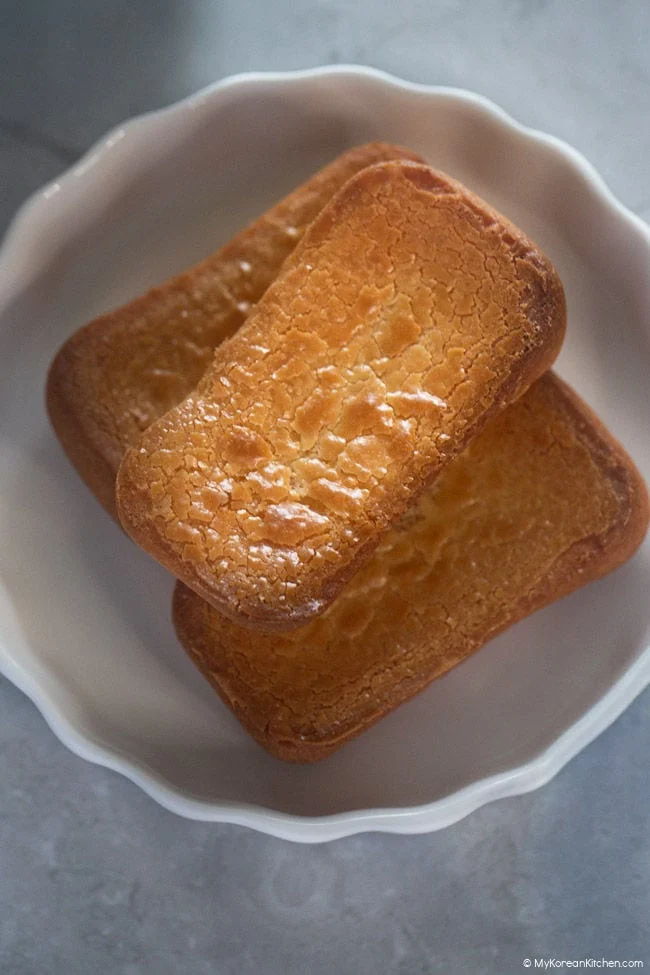
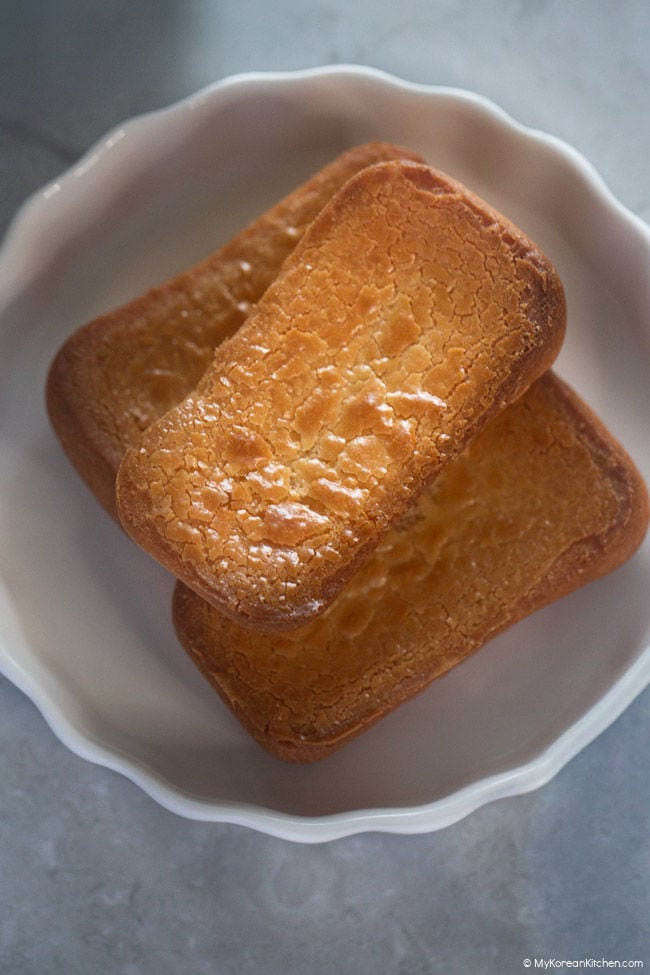
In the vibrant landscape of contemporary Korean confectionery, a new phenomenon has taken root: the "Butter Tteok." Bridging the gap between traditional heritage and modern fusion, this baked delicacy has captured the hearts of home bakers and professional pâtissiers alike. Defined by its golden, biscuit-like exterior and a signature, pull-apart chewy center, the butter tteok is a testament to the versatility of glutinous rice flour in a globalized culinary era.
Main Facts: The Anatomy of a Modern Delight
Butter tteok represents a significant departure from the traditional Korean approach to rice cake production. Historically, tteok (Korean rice cake) is defined by the steaming process, which relies on moisture and pressure to gelatinize rice starches, resulting in a soft, uniform texture. Butter tteok, however, embraces the oven.
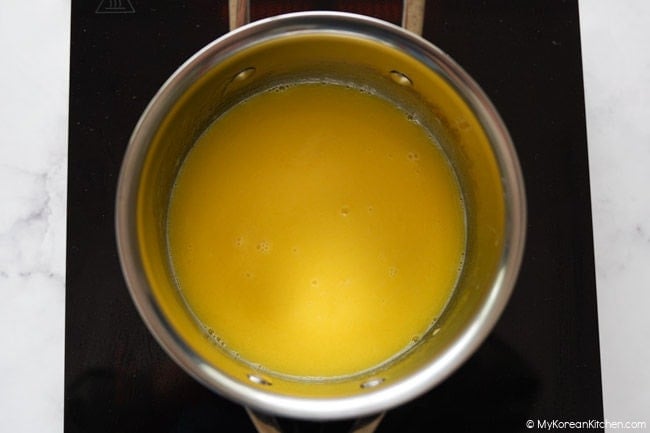
By incorporating butter, milk, and eggs—ingredients rarely found in classic, temple-style or celebratory rice cakes—this dessert enters the realm of "fusion pastry." It is essentially a cross between a traditional chewy rice cake and a Western butter cake or financier. The primary structural component is glutinous rice flour, which provides the characteristic elasticity, while the addition of fat (butter) and dairy (milk) creates a rich, tender crumb that avoids the dense, rubbery consistency often associated with over-steamed rice cakes.
The result is a snack that balances the familiar, beloved chewiness of injeolmi or chapssal-tteok with the aromatic, caramelized notes of a freshly baked cookie. Its rising popularity in urban Korean bakeries signifies a shift in consumer preference toward "modernized" traditional snacks that pair seamlessly with the pervasive coffee culture of Seoul.
Chronology: From Shanghai Origins to Korean Bakeries
The lineage of butter tteok is a subject of ongoing culinary discussion. While it is currently celebrated as a staple of modern Korean bakeries, evidence suggests that the concept of a "baked rice cake" originated in Shanghai, China. In its original form, the Shanghai-style butter rice cake served as a precursor to the version now circulating in Korea, utilizing similar ratios of glutinous rice flour and fat to create a dense, satisfying dessert.
As these concepts migrated into the Korean market, they underwent a "K-style" transformation. Local artisans began refining the recipe, experimenting with the balance of sugar, the incorporation of vanilla, and the precise temperature for achieving the "golden crust" that has become the hallmark of the dish.
Over the last five years, the recipe has migrated from boutique rice cake shops to the kitchens of home bakers. Social media platforms, particularly Instagram and TikTok, have played a pivotal role in this chronology, with visually satisfying "pull-apart" videos—showcasing the contrast between the crispy edges and the elastic center—driving domestic and international interest.
Supporting Data: The Science of Texture and Ratios
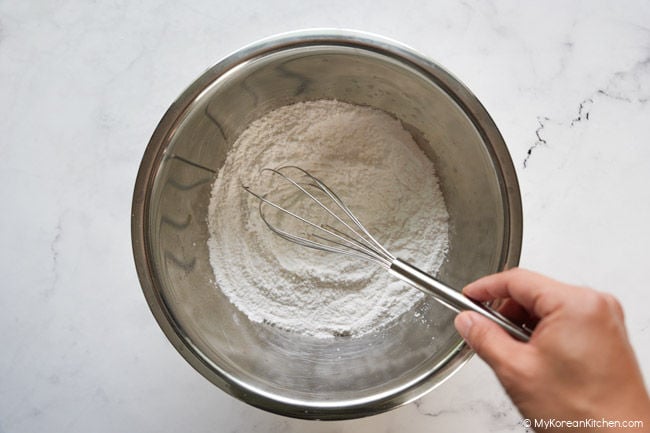
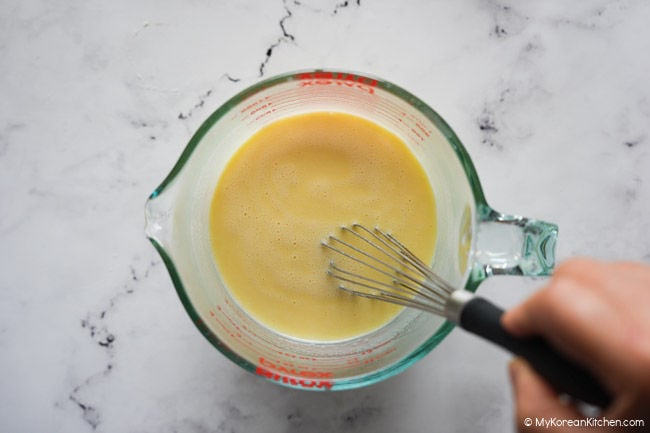
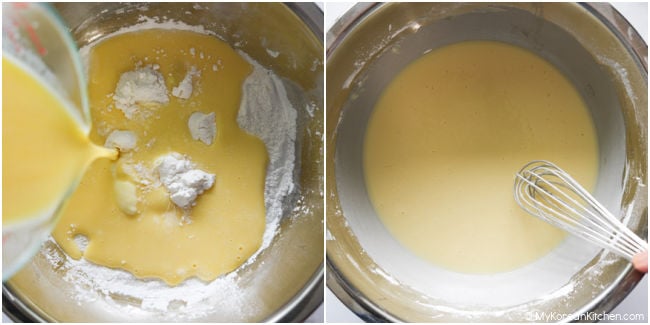
The success of butter tteok lies in a delicate balance of hydration and fat content. According to culinary testing, the "ideal" butter tteok relies on the interaction between the protein in the eggs and the starch in the glutinous rice flour.
The Role of the Pan
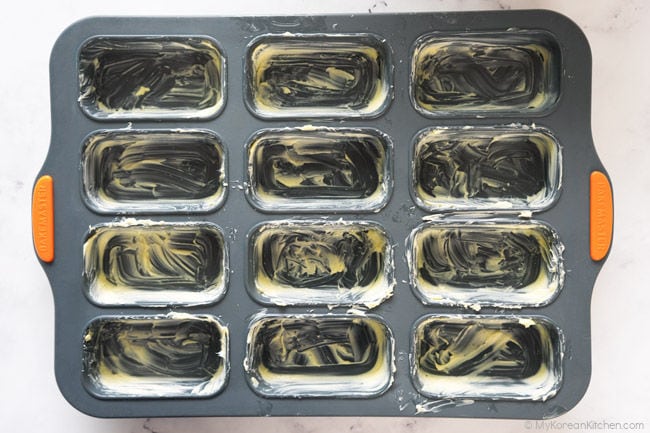
Technical analysis of the baking process reveals that the vessel used is just as critical as the ingredients.
- Metal Pans: The high thermal conductivity of metal ensures that the base and sides of the tteok reach a higher temperature quickly, resulting in a distinct, biscuit-like edge. This provides the contrast that separates a high-quality bake from a mediocre one.
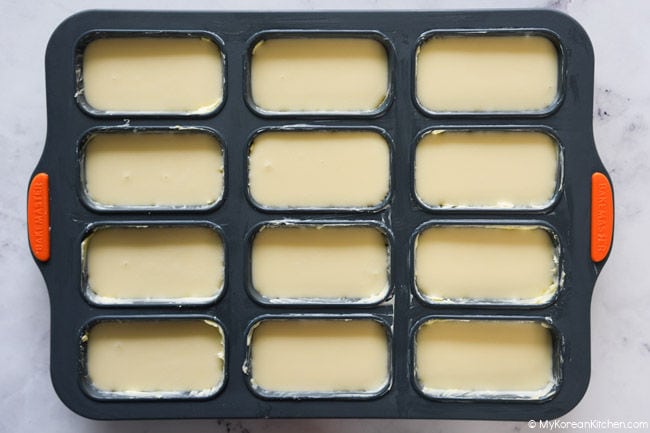
- Silicone Pans: While convenient for release, silicone acts as an insulator, often resulting in a softer, more uniform surface that lacks the desired "crunch."
The "Resting" Period
Data from professional kitchen testing confirms that the internal chemistry of the tteok continues to evolve after it leaves the oven. During the first 15 minutes of cooling, the starches undergo a process known as retrogradation, which stabilizes the structure. Leaving the tteok for two hours allows the moisture to redistribute evenly, ensuring that the center achieves a "cohesive" chewiness rather than a gooey, undercooked texture.
Nutritional Profile
While indulgent, the butter tteok is often viewed as a "smarter" alternative to heavy, butter-laden Western pastries. A standard serving (approx. 219 kcal) contains:
- Carbohydrates: 28g
- Fat: 11g (with 7g being saturated)
- Protein: 2g
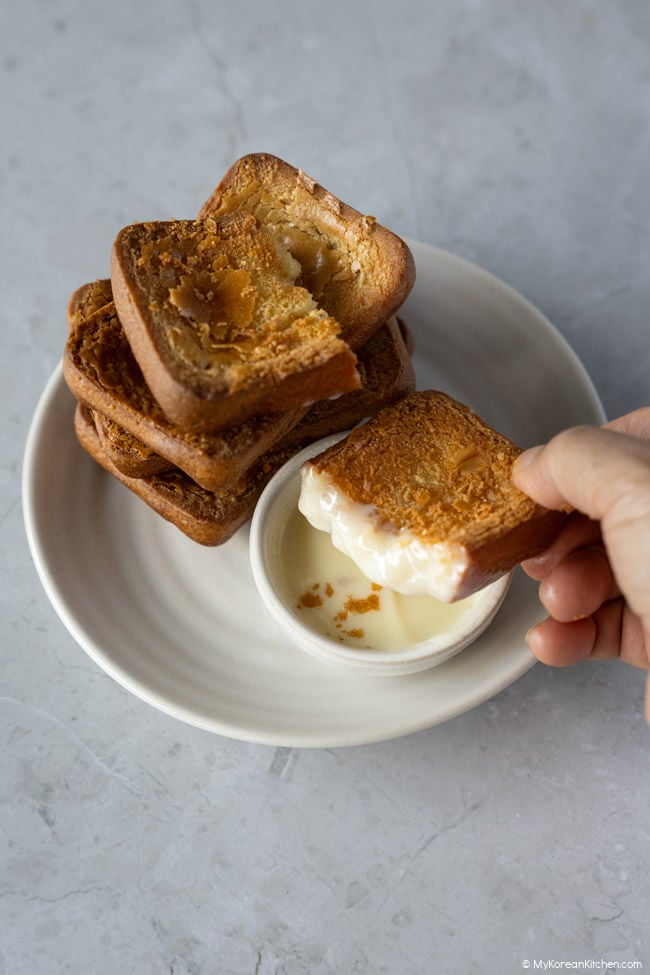
These figures highlight the role of rice flour as a primary energy source, though it should be noted that the inclusion of sweetened condensed milk adds a significant glycemic load, placing it firmly in the category of a treat rather than a meal replacement.
Official Perspectives: The Philosophy of the Modern Baker
Leading voices in the Korean pastry scene argue that the butter tteok is not a corruption of tradition, but a necessary evolution. In an interview with industry observers, many noted that the younger generation of consumers in Korea is less interested in the "plain" or "savory" profiles of traditional steamed rice cakes. By adding butter and vanilla, bakers are making rice-based desserts more accessible to palates accustomed to café-style baked goods.
Furthermore, there is a consensus among bakers that the "modernization" of rice cakes has helped preserve the rice flour industry. By finding new, high-demand applications for glutinous rice, bakeries are supporting local agriculture while keeping the tradition of rice-based snacking alive in a modern, fast-paced economy.
Implications: The Future of Fusion Confectionery
The success of butter tteok has profound implications for the global export of Korean food culture. As the "Hallyu" (Korean Wave) continues to influence global trends, traditional Korean snacks are being reimagined to suit international tastes. The butter tteok is an ideal candidate for this, as it fits perfectly into the Western "coffee and pastry" ritual.
The "Café Experience"
The implication for the future is clear: we will see an increase in "K-Fusion" bakeries that focus on texture-first experiences. The butter tteok is a gateway product. Its simplicity—requiring minimal equipment and basic ingredients—lowers the barrier to entry for home cooks globally. This democratization of the recipe means it is likely to appear on menus from New York to London, often adapted with local ingredients such as matcha, black sesame, or even chocolate.
Culinary Challenges
However, the rise of such treats presents a challenge regarding ingredient standards. The quality of glutinous rice flour (mochiko or similar varieties) varies significantly across global markets. As this dish gains popularity, there will be a need for more standardized education on how different flour types affect the elasticity of the final product.
Sustainability and Storage
Finally, the industry is looking at the longevity of these products. Because butter tteok is prone to becoming hard if refrigerated, the push for better, more sustainable freezing and reheating methods—such as the now-popular air-frying technique—is becoming a central focus. The ability to "refresh" a frozen rice cake in three minutes using an air fryer has been a game-changer for the commercial viability of this snack, allowing it to move from a "fresh-only" product to a long-term pantry staple.
In conclusion, the butter tteok is more than just a passing trend. It is a harmonious marriage of history and innovation. By taking the time-honored texture of the Korean rice cake and marrying it to the rich, aromatic profile of a classic butter bake, it has secured its place in the modern dessert canon. Whether enjoyed with a cup of robust coffee or as a quick, chewy pick-me-up, the butter tteok remains a testament to the fact that the best food often lies at the intersection of where we have been and where we are going.
 Basiran
  Nana Wu
  Neng Nana
