
 By Basiran
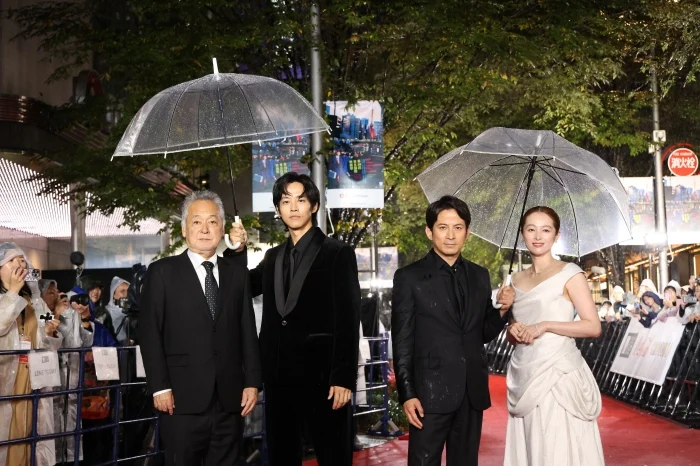
The 39th Tokyo International Film Festival (TIFF) has officially commenced, marking another milestone in the prestigious history of one of Asia’s most significant cultural gatherings. Held on October 26, 2026, the opening ceremonies served as a powerful testament to the enduring power of cinema to bridge divides, challenge societal norms, and celebrate the diverse tapestry of the human experience. As industry leaders, directors, and enthusiasts from across the globe converge in Tokyo, the festival stands as a beacon of artistic excellence and a crucial platform for both emerging talent and established masters of the craft.

Main Facts: A Global Stage for Storytelling
The 39th Tokyo International Film Festival opened with a gala event that emphasized the festival’s core mission: to foster international understanding through the medium of film. This year’s edition is particularly notable for its robust selection of international entries, showcasing a wide spectrum of genres ranging from hard-hitting social dramas to avant-garde experimental pieces.
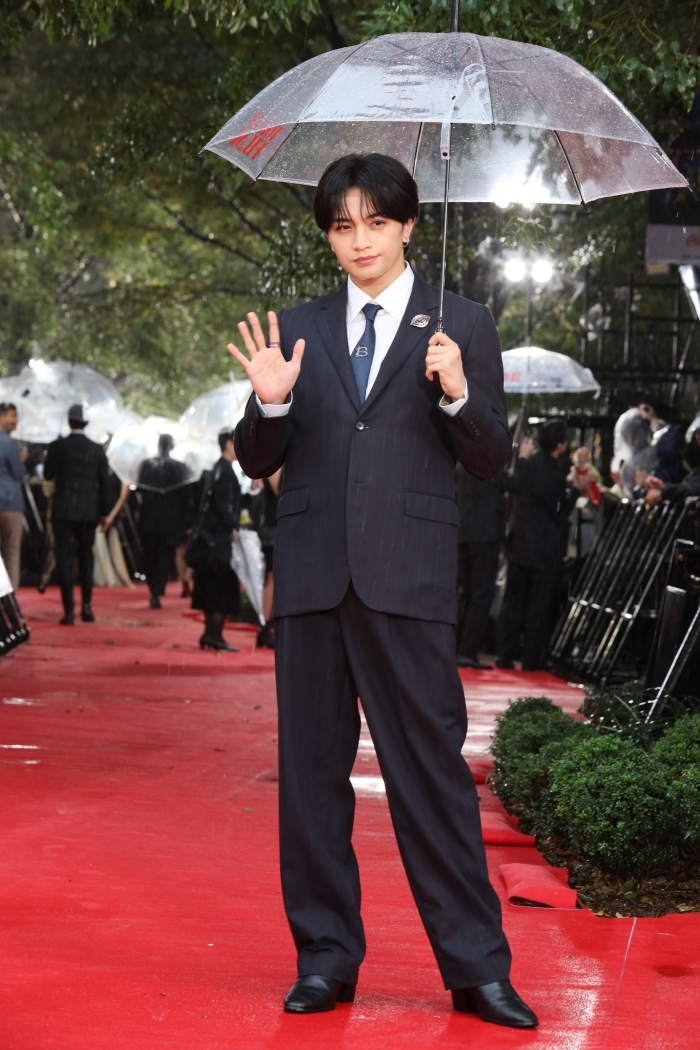
The opening event saw a significant turnout from both domestic and international dignitaries, underscoring the festival’s geopolitical and cultural importance. The organizers emphasized that the selection process for this year was exceptionally rigorous, with a focus on narratives that reflect the complex, evolving realities of the 21st century. By prioritizing authentic storytelling, TIFF continues to solidify its reputation as a premiere destination for high-caliber global cinema.

Chronology of the 39th Edition
The journey toward the 39th TIFF was characterized by meticulous planning and a strategic shift toward digital-physical hybridity.
- Initial Preparations: Throughout the early months of 2026, the selection committee reviewed thousands of submissions from over 80 countries, aiming to curate a program that balances commercial appeal with artistic integrity.
- Announcement of the Lineup: In early autumn, the festival announced its competition films and special screening categories, drawing significant attention from the international press.
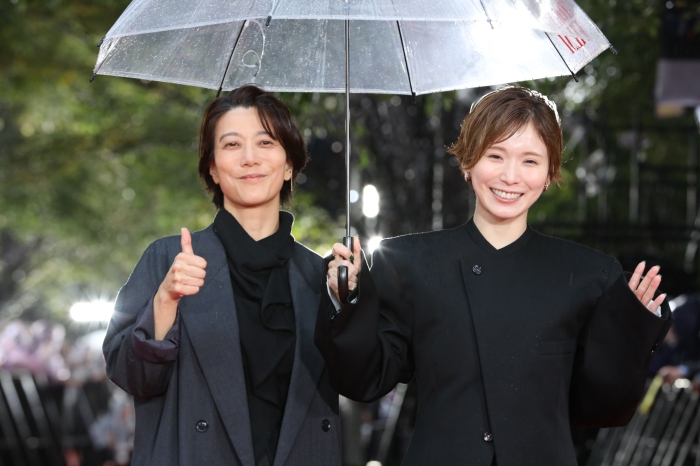
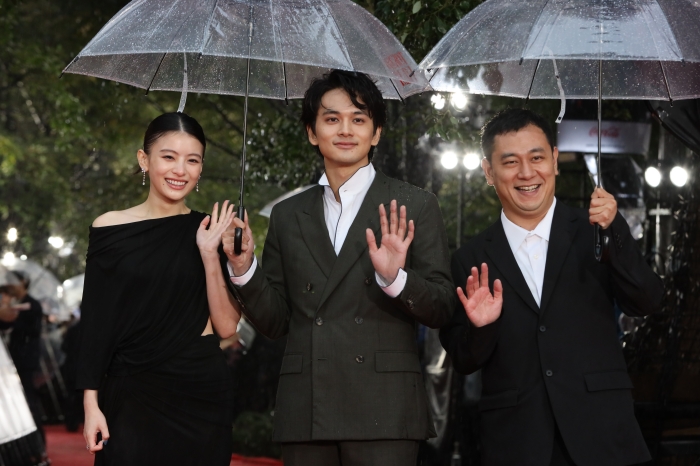
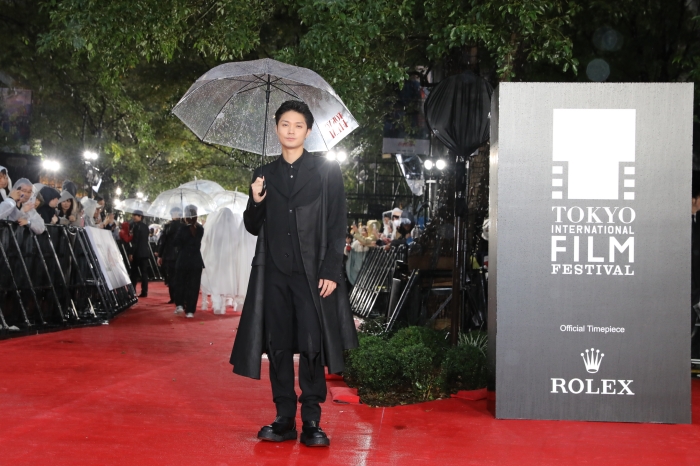
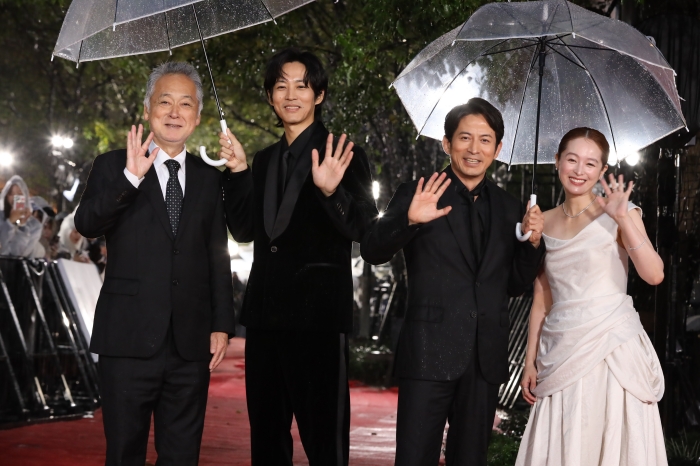
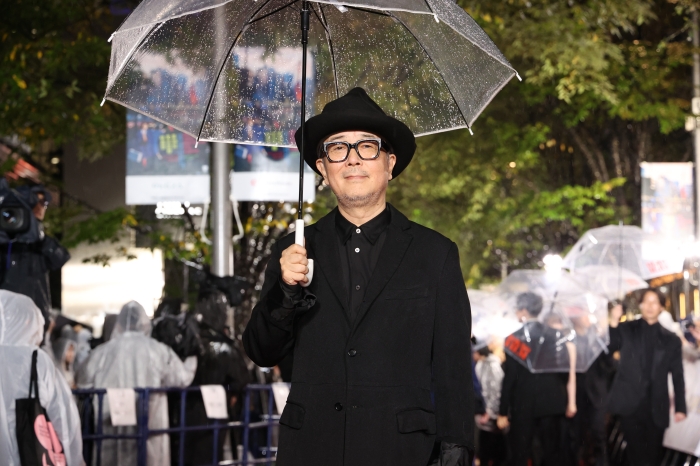
- Opening Day (October 26, 2026): The festival officially kicked off with a high-profile red carpet event, followed by the first of many sold-out screenings.
- Ongoing Events: The festival is scheduled to run through November 4, 2026, featuring a packed schedule of workshops, industry forums, and Q&A sessions with directors.
- Closing Ceremonies: The festival will conclude with an awards gala, where the coveted Tokyo Grand Prix will be presented to the film that best captures the spirit of the event.
Supporting Data and Festival Metrics
The scale of the 39th TIFF is reflected in its impressive statistical data, which highlights its massive reach and operational complexity.
The festival features over 262 distinct film screenings, a testament to the sheer volume of artistic work being celebrated. The infrastructure supporting these events is equally massive, involving 620 specialized staff members who coordinate the logistics of venues, guest relations, and technical requirements.

Public interest remains at an all-time high, with ticket sales for the opening weekend nearing capacity. The festival has also seen a 15% increase in international media accreditation compared to the previous year, suggesting a growing global appetite for Asian cinema and the unique perspectives offered by the Tokyo-based event. Furthermore, the average duration of the selected films stands at 204 minutes, indicating a trend toward immersive, long-form storytelling that requires significant audience commitment.

Official Responses and Key Highlights
Representatives from the Tokyo International Film Festival board expressed immense pride in this year’s programming. "The 39th TIFF is not just a showcase of films; it is a manifestation of the collective human spirit," said a spokesperson for the organizing committee. "By curating stories that address pressing global concerns, we are facilitating a dialogue that transcends linguistic and cultural boundaries."

A major highlight of this year’s festival is the special focus on the film SUKIYAKI, which has garnered widespread critical acclaim. The film, which explores themes of reconciliation and the passage of time, has been praised for its innovative cinematography and emotional resonance. The director and cast of SUKIYAKI participated in a series of press conferences, providing deep insights into the creative process and the challenges of producing high-budget, emotionally heavy narratives in a post-modern context.

The festival also hosted several industry-only panels where executives from major production houses discussed the future of film distribution. The general consensus among the panel experts was that while streaming platforms have changed consumption patterns, the "theater experience" remains an irreplaceable cultural necessity, particularly for art-house cinema.

Thematic Implications: Cinema as a Catalyst for Change
The implications of the 39th TIFF go far beyond entertainment. By bringing together diverse voices, the festival acts as a catalyst for societal reflection. Several of the competition films tackle the implications of rapid technological advancement and the erosion of traditional community structures.

One of the recurring motifs throughout the festival has been the tension between globalization and regional identity. Many of the films screened this year suggest that while the world is becoming more connected, there is an urgent need to preserve the specific, local narratives that give humanity its texture.
Furthermore, the festival’s commitment to gender parity and diversity in its selection process has set a new benchmark for other international film festivals. By ensuring that women and marginalized groups are represented in both the director’s chair and the narrative focus, TIFF is actively shaping a more inclusive future for the global film industry.
Industry Outlook and Future Projections
Looking toward the future, the 39th TIFF has solidified its position as a key player in the global film market. The influx of international distributors and buyers at this year’s event indicates that the festival remains a vital hub for deal-making and talent discovery.
The organizers have also hinted at plans for the 40th anniversary, which is expected to feature a retrospective of the last four decades of Asian cinema. As the festival enters its final days, the anticipation for the award winners continues to build, serving as a reminder that at the heart of all the logistics, data, and industry politics, the Tokyo International Film Festival is, and always will be, about the magic of the moving image.

In conclusion, the 39th Tokyo International Film Festival is a resounding success, offering a window into the souls of creators from every corner of the planet. Through its dedication to excellence and its unwavering support for the cinematic arts, TIFF ensures that stories—the most powerful tools we have for understanding one another—continue to be told, seen, and felt by audiences worldwide.
Festival Details Summary
- Dates: October 26, 2026 – November 4, 2026
- Total Screenings: 262 films
- Staffing: 620 personnel
- Total Accreditation: 620 professionals
- Main Venue: Various locations in Tokyo (centered around the Hibiya-Yurakucho area)
- Website: www.tiff-jp.net



 Asep Darmawan
 rifanmuazin
 Neng Nana

