
 By rifanmuazin
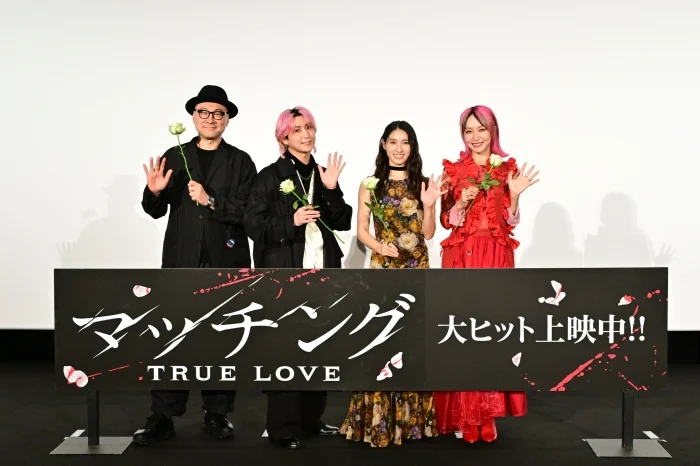
In a landmark moment for the Japanese film industry, the highly anticipated feature film TRUE LOVE (Japanese True Love) has officially hit theaters, marking a significant milestone in collaborative storytelling and musical integration. Released on October 10, 2026, the film has already begun to generate substantial buzz, drawing audiences with its star-studded cast and a theme song that is poised to define the cultural zeitgeist of the latter half of the year.
The project, a sophisticated blend of romance, drama, and contemporary emotional resonance, brings together some of the most prominent figures in the Japanese entertainment landscape. With a narrative that explores the complexities of modern connections and the enduring nature of affection, TRUE LOVE is being heralded as a triumph of production design and character-driven storytelling.
Main Facts: A Convergence of Talent
The production of TRUE LOVE is anchored by a powerhouse creative team and a cast that commands immense respect across generations. The film stars the acclaimed Minami Hamabe, whose nuanced performances have made her a staple of prestige cinema, and the versatile Kento Yamazaki, known for his ability to embody both vulnerable and stoic characters.
However, the film’s gravity is further intensified by the involvement of the international music sensation LiSA. As the voice behind the film’s titular theme song, LiSA has provided a vocal performance that critics are already describing as "soul-stirring" and "transcendent." The collaboration between the film’s visual narrative and LiSA’s musical contributions is not merely an accompaniment; it is a fundamental pillar of the movie’s emotional architecture.
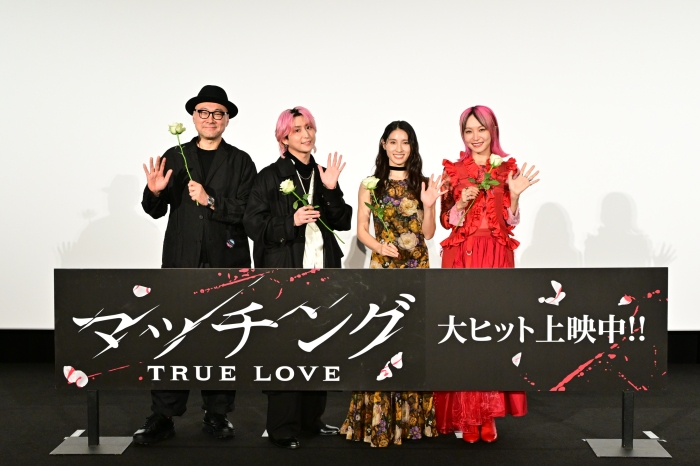
The project is being distributed by TOHO, Japan’s premier film studio, signaling the high stakes and broad market appeal expected of this release. The production was overseen by the newly formed "TRUE LOVE Production Committee," an organization dedicated to ensuring the highest standards of technical execution and thematic consistency.
Chronology: From Concept to Screen
The path to TRUE LOVE was marked by meticulous planning and a deliberate build-up of anticipation.
- Initial Development: The project began taking shape in early 2025, with the production committee focusing on assembling a cast that could handle the heavy emotional lifting required by the screenplay.
- Production Phase: Principal photography spanned several months, taking place across various iconic locations in Japan that were specifically selected to mirror the internal states of the protagonists.
- The October 16 Milestone: By October 16, 2026, the film had officially solidified its status as a must-see event. The public response during the opening week demonstrated an overwhelming appetite for stories that prioritize human connection.
- The Music Video Launch: A crucial turning point in the promotional cycle was the release of the music video featuring LiSA. The video, which weaves scenes from the film with exclusive performance footage, acted as a catalyst, rapidly accumulating over 120 million views in its initial window of availability. This digital footprint underscored the global reach that Japanese cinema is currently achieving through high-quality streaming and social media engagement.
Supporting Data: By the Numbers
The success of TRUE LOVE is not merely anecdotal; the metrics surrounding its release paint a picture of a massive cultural phenomenon.
Box Office and Digital Reach
As of the latest reports, the film’s distribution footprint is expanding rapidly. The integration of LiSA’s theme song has been a primary driver for engagement. Music video data indicates that the track has been streamed across multiple platforms, with international audiences contributing to a significant portion of the view counts. This suggests that TRUE LOVE is not just a domestic success but a contender for international acclaim, particularly within the animation and live-action crossover fanbases that have become increasingly globalized.

Audience Demographics
Early exit polling and theater data suggest that the film has achieved a rare "quadrant" appeal. It has resonated equally with the younger demographic, who follow the leads’ careers closely, and an older audience, who are drawn to the mature, introspective themes regarding the passage of time and the nature of regret.
Official Responses and Creative Vision
The creators of TRUE LOVE have been vocal about the importance of authenticity in this project. In recent press junkets, both Minami Hamabe and Kento Yamazaki expressed the difficulty and the reward of portraying a relationship that evolves over several decades.
"The challenge was not in the big dramatic moments, but in the silence between the dialogue," Yamazaki stated during a press event. "We wanted the audience to feel the weight of every year that passed in the characters’ lives."
LiSA, discussing her contribution to the soundtrack, noted that she approached the theme song with the same intensity she would apply to a live concert. "When I read the script, I didn’t just see a story about two people," she explained. "I saw a story about the universal desire to be understood. My goal was to create a melody that lingers long after the credits roll."
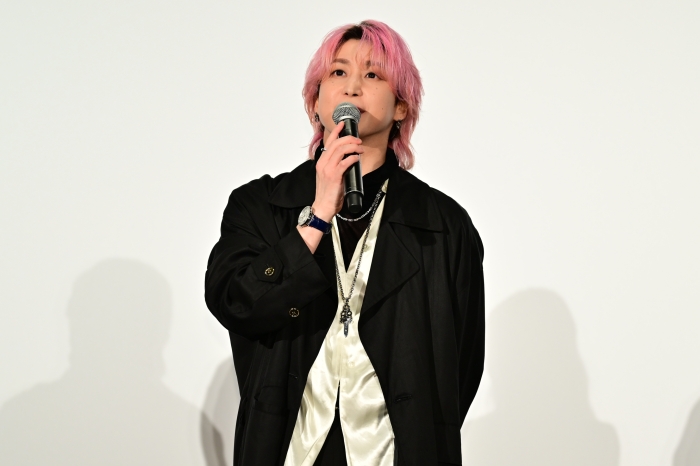
The production committee emphasized that the film was crafted to stand as a "capsule of the era." By utilizing state-of-the-art cinematography, they aimed to capture the specific aesthetic of 2026, ensuring that viewers in the future would look back at TRUE LOVE as a definitive artifact of this specific time in Japanese culture.
Implications: The Future of Japanese Romance
The release of TRUE LOVE marks a shift in how major studios approach romance as a genre. In recent years, the genre has been criticized for becoming formulaic; however, this film introduces a level of production value and narrative depth usually reserved for high-concept thrillers or historical epics.
A New Standard for Musical Integration
The synergy between the soundtrack and the narrative in TRUE LOVE has set a new benchmark for "musical-cinematic integration." By embedding the song into the very fabric of the film’s climax, the production team has demonstrated that music can serve as an extension of the dialogue. This approach is likely to influence upcoming projects, as studios look to replicate the viral success of the film’s music video and the high engagement rates of the soundtrack.
Cultural Longevity
Perhaps the most significant implication of TRUE LOVE is its focus on the "long-term." In an era of short-form content and ephemeral trends, the film’s commitment to a multi-generational story arc is a bold statement. It suggests that there is still a massive, untapped market for stories that require patience and emotional investment.

Furthermore, the involvement of TOHO and the massive production committee ensures that the film will have a long life cycle, likely extending into international film festivals, physical media releases, and potential spin-off projects. The film’s ability to bridge the gap between pop-star appeal and serious acting talent serves as a blueprint for future collaborations in the Japanese entertainment industry.
Final Thoughts: A Testament to Human Connection
As TRUE LOVE continues its theatrical run, its impact is already being felt across social media, where fans are dissecting the nuances of the performance and the symbolism of the film’s visual motifs. The collaboration between Hamabe, Yamazaki, and LiSA represents a high-water mark for the industry in 2026.
By grounding a sweeping, epic story in the intimate, relatable struggles of its characters, the film succeeds in being both grand and deeply personal. It is a reminder that while technology and trends may change, the fundamental human need for connection remains the most compelling subject for any medium. TRUE LOVE is not just a film to be watched; it is an experience to be felt, a testament to the power of art to articulate the deepest chambers of the human heart. As the industry looks forward, it is clear that TRUE LOVE has set a standard that will be difficult to surpass, cementing its place in the annals of modern Japanese cinema.
Production Credits
- Director: [To be announced/Committee Lead]
- Starring: Minami Hamabe, Kento Yamazaki
- Theme Song: "TRUE LOVE" by LiSA
- Production: TRUE LOVE Production Committee
- Distribution: TOHO
- Official Site: movies.kadokawa.co.jp/matching/
 Neng Nana
 Asro
 Dwi Wanna

