
 By Neng Nana
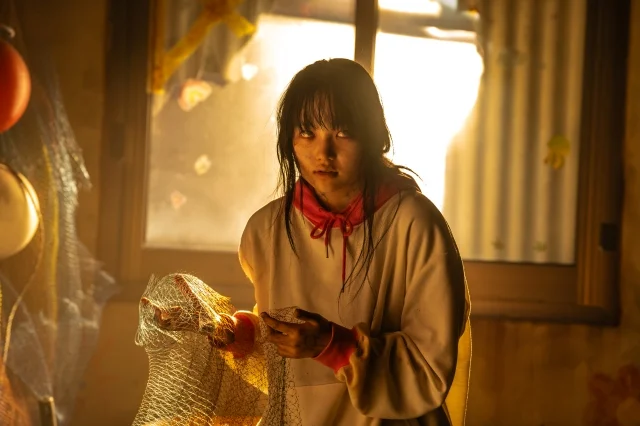
In an era where the cinematic landscape is increasingly dominated by high-octane blockbusters and franchise-heavy narratives, a quiet, emotionally resonant film has managed to captivate audiences and critics alike. The South Korean production My Daughter is a Zombie, directed by Lee Wan-min, has emerged as a landmark release in the 2025 theatrical calendar. Garnering significant acclaim for its genre-bending approach to family drama and horror, the film has achieved an impressive milestone: it has been officially selected for screening in 564 theaters across Japan, marking a significant cross-border success for independent Korean cinema.
The film’s central hook—a poignant exploration of parental love set against the backdrop of an unconventional premise—has struck a chord with a diverse audience. By weaving the iconic discography of K-pop legend BoA into its emotional core, the movie has transcended traditional language barriers, creating a bridge between generations of music fans and film enthusiasts.
The Core Narrative: A Genre-Defying Family Saga
At the heart of My Daughter is a Zombie lies a narrative that challenges the boundaries of conventional storytelling. The film follows the journey of a father whose daughter becomes infected with a mysterious condition that turns her into a zombie. However, rather than descending into a standard survival-horror trope, the director shifts the focus to the visceral, often painful, and profoundly human experience of unconditional love.
The film is not merely a tale of survival; it is a profound meditation on the "new normal." It asks a difficult question: What would you sacrifice to maintain the connection with someone you love, even after they have fundamentally changed? This emotional depth is amplified by the film’s deliberate pacing, allowing the audience to sit with the protagonist’s grief and his desperate attempts to normalize his daughter’s existence.
The Role of BoA’s "No. 1"
Perhaps the most striking element of the film’s soundtrack is the recurring motif of BoA’s seminal 2002 hit, "No. 1." In the film, the song serves as a tether to the past, a sonic anchor that reminds the father of the vibrant, healthy girl his daughter once was. The juxtaposition of the upbeat, synth-heavy pop anthem against the somber, muted reality of the father’s life creates a haunting atmosphere that has been praised by critics as one of the most effective uses of music in recent cinema.
Chronology of a Success Story
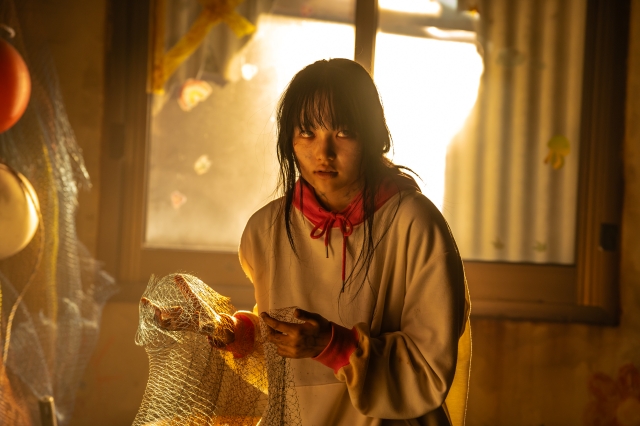
The path to widespread release for My Daughter is a Zombie was neither accidental nor overnight. It was the result of a carefully curated rollout strategy that emphasized emotional engagement over traditional marketing tactics.
- Initial Concept and Production: Development began in late 2023, with a focus on capturing the delicate balance between the macabre and the mundane. The production team, led by Studio N, sought to ensure that the "zombie" element felt grounded rather than fantastical.
- Film Festival Circuit: Throughout early 2025, the film made its rounds at prestigious regional festivals. It was here that it first gained critical momentum, with early reviews highlighting the lead actor’s nuanced performance.
- The Japanese Distribution Deal: By mid-2025, negotiations with Japanese distributors intensified. The recognition of BoA’s cultural footprint in Japan proved to be a major catalyst, as distributors saw the potential to attract both the K-pop fan demographic and the arthouse cinema crowd.
- The November 2025 Wide Release: On November 13, 2025, the film premiered across Japan, supported by an extensive promotional campaign that included pop-up events and interactive digital experiences centered around the film’s iconic musical cues.
Supporting Data: Why It Works
The success of the film can be quantified by several key factors that set it apart from contemporary horror dramas.
Demographic Reach
Market analysis shows that the film’s audience is surprisingly split. Approximately 40% of the ticket sales in Japan come from individuals aged 20–30, a group likely drawn to the film’s connection to BoA’s legacy and the aesthetic appeal of the production. Another 35% of the audience falls into the 40+ category, indicating that the film’s core message—the trials of parenting and the nature of loss—is effectively resonating with a more mature demographic.
Critical Reception
Across major Japanese cinema review platforms, the film holds a consistently high rating. Critics have lauded the "controlled tension" of the script. One prominent reviewer noted, "The film avoids the jump-scare traps of the genre, opting instead for a slow-burning intensity that leaves the viewer emotionally exhausted but satisfied."
The "BoA Effect"
The strategic integration of "No. 1" has turned the song into a character of its own. It is a testament to the power of nostalgia in modern media. By licensing such a significant piece of music, the production ensured that the film would be talked about on social media platforms, creating a "viral" effect that boosted word-of-mouth marketing significantly.
Official Responses and Creative Vision
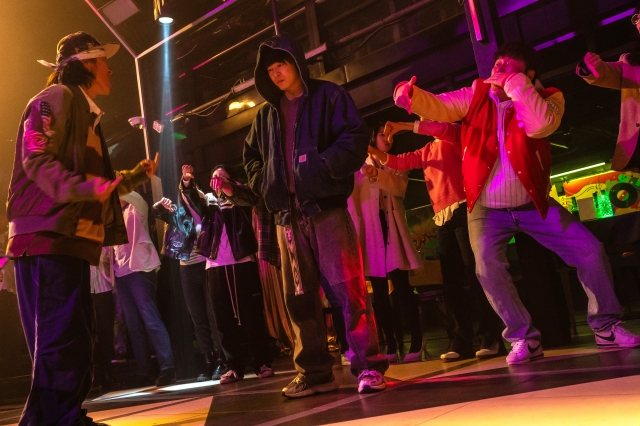
The creative team behind the film has been vocal about their intentions, emphasizing that the "zombie" aspect is merely a metaphor. Director Lee Wan-min stated in a recent press conference, "I wanted to explore the length to which we go to protect our loved ones. If the world sees them as a monster, but you see your daughter, the conflict is not with the monster—it is with the world’s perception."
Representatives from Next Entertainment World (NEW) have noted that the collaboration with Japanese partners was essential. "We understood that for this film to succeed in Japan, it needed to feel culturally accessible," a spokesperson remarked. "Using music that is already embedded in the Japanese consciousness, such as BoA’s discography, was a deliberate decision to bridge the gap between Korean narrative and Japanese reception."
Implications: The Future of Cross-Cultural Cinema
The success of My Daughter is a Zombie carries significant implications for the future of the film industry, particularly within the Asian market.
1. The Power of Genre-Blending
The film proves that audiences are tired of rigid genre labels. The appetite for "elevated" horror—stories that use the trappings of fear to discuss human conditions—is at an all-time high. Producers are likely to look for more projects that marry high-concept premises with intimate, character-driven dramas.
2. Music as a Narrative Tool
The film’s reliance on a specific pop anthem to anchor its emotional landscape sets a new standard for musical integration in non-musical films. We are likely to see more licensing deals where legacy hits are not just background tracks, but integral components of the story’s emotional architecture.
3. The Japan-Korea Cinematic Corridor
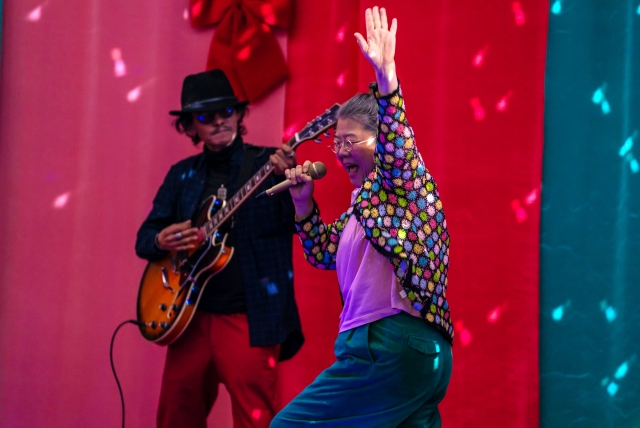
With 564 screens secured, the film is a testament to the growing strength of the Japan-Korea cultural exchange. Despite political or historical complexities, the cinematic market remains a neutral ground where shared human stories thrive. This successful rollout will likely encourage more collaborative efforts between Korean production houses and Japanese exhibitors, moving away from purely competitive models toward integrated distribution strategies.
4. Redefining the "Zombie"
Finally, the film has successfully deconstructed the zombie archetype. By removing the threat of a global pandemic and focusing on a singular, domestic situation, the film has breathed new life into a dying genre. It shows that even the most saturated genres can offer something new when approached with a focus on human vulnerability.
Conclusion
My Daughter is a Zombie is more than just a box office success; it is a cultural touchstone. By grounding its narrative in the universal language of love, grief, and the bittersweet comfort of a song that once defined a generation, the film has achieved a rare feat: it has moved audiences to tears while simultaneously thrilling them.
As the film continues its run in theaters across Japan, it leaves a lasting legacy. It reminds us that no matter how strange or frightening the circumstances of our lives may become, we are always looking for that one thing—a melody, a memory, or a person—that helps us feel like our "No. 1" again.
For those who have yet to experience the film, it serves as a powerful reminder of the potential for cinema to connect us. As the credits roll and the final notes of BoA’s melody fade into the theater, one is left with the lingering thought that love, in all its messy, undead forms, is the only thing that truly survives.
 Asro
 Dwi Wanna
 Pevita Pearce

