
 By Jia Lissa
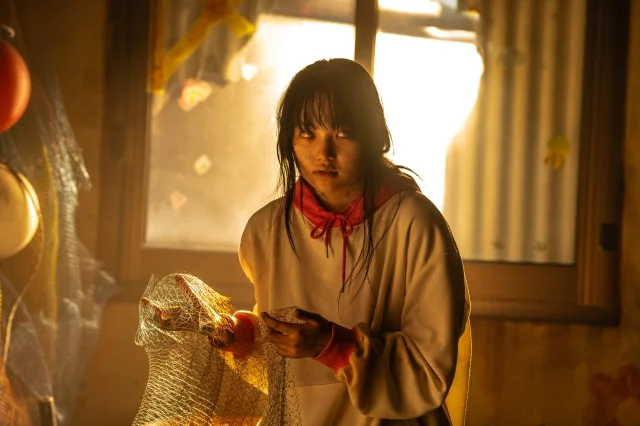
In a bold narrative experiment that has captivated both critics and audiences, the 2025 South Korean thriller My Daughter is a Zombie (original Sekamusu) has emerged as a landmark production, blending high-octane genre thrills with a profound exploration of paternal devotion. As the film makes its highly anticipated theatrical debut in Japan on November 13, it brings with it a unique cultural phenomenon: the integration of iconic K-pop nostalgia into the fabric of a modern, suspenseful narrative.
The film has already garnered significant attention for its casting, featuring a robust ensemble that includes seasoned performers and rising stars, all anchored by a central performance that is being hailed as one of the most compelling of the year. Beyond its plot, My Daughter is a Zombie stands as a testament to the evolving nature of South Korean cinema—a medium that refuses to be tethered to a single genre, instead choosing to weave social commentary, emotional resonance, and visceral action into a singular, cohesive experience.
The Core Narrative: A Father’s Desperate Gamble
At its heart, My Daughter is a Zombie is a character-driven thriller. The plot centers on a desperate father, portrayed with raw intensity, whose world is upended when his daughter becomes infected by a mysterious virus that turns the afflicted into undead creatures. However, unlike traditional zombie cinema, which often focuses on the chaos of societal collapse or the mechanics of survival, this film pivots toward the intimate.
The protagonist’s mission is not to eradicate the threat, but to protect his daughter at all costs. This choice forces him to navigate a landscape of moral ambiguity, where he must reconcile his love for his child with the horrific reality of her condition. The film’s tension is derived not just from the external threats—the authorities, the infected, and the desperate survivors—but from the internal psychological toll taken on a parent tasked with harboring an impossible secret.
A Chronology of Anticipation: From Production to Premiere
The journey of My Daughter is a Zombie from a high-concept script to a major theatrical release has been meticulously managed by NEXT ENTERTAINMENT WORLD and STUDIO N.
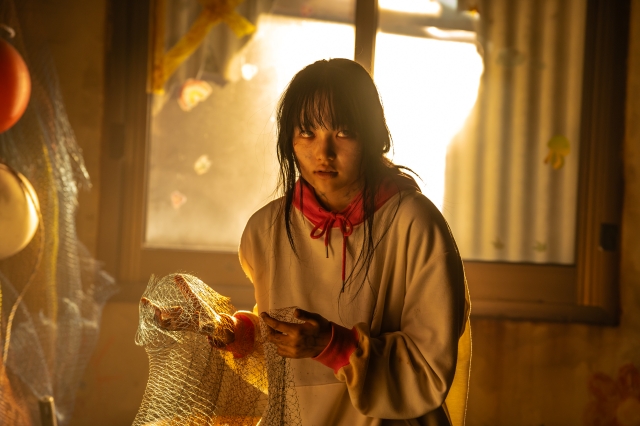
- Development Phase: The project was announced with the intent to subvert the "zombie apocalypse" trope, aiming to ground the horror in a domestic, relatable setting.
- Production: Filming took place throughout 2024, with a focus on practical effects and a haunting, atmospheric visual style that distinguishes the film from its predecessors.
- Pre-Release Hype: As the film began its festival circuit, reports of its emotional weight began to circulate. The decision to incorporate the iconic track "No.1" by K-pop legend BoA served as a masterstroke in marketing, signaling to the audience that this film would be as much about 2000s-era nostalgia as it is about modern horror.
- The Japanese Launch: On November 13, 2025, the film officially hits Japanese theaters. The rollout is supported by a comprehensive promotional campaign that highlights the film’s unique juxtaposition of heart-wrenching drama and pulse-pounding suspense.
Cultural Synergy: The Role of BoA’s ‘No.1’
One of the most discussed elements of My Daughter is a Zombie is its unconventional use of the BoA classic, "No.1." Released in 2002, the song was a pivotal anthem for the Hallyu wave, representing a moment of immense optimism and musical innovation in South Korean culture.
In the film, the song functions as a narrative anchor—a tether to the past for the protagonist, representing a time before the world fell into disarray. It is a brilliant example of "sonic storytelling." By utilizing a song that carries such heavy cultural weight, the filmmakers bridge the gap between the audience’s personal memories and the protagonist’s tragic circumstances. It is not merely a background track; it is an emotional device that highlights the protagonist’s longing for a normalcy that no longer exists.
This inclusion has resonated deeply with audiences, prompting discussions about the "remixing" of memory in cinema. It transforms the viewing experience from a passive observation of horror into a reflective, bittersweet journey.
Supporting Data and Production Values
The film boasts a technical pedigree that places it in the upper echelon of contemporary South Korean productions. With a 5.1 channel surround sound mix that heightens every whisper and every growl, the film is designed to be an immersive theatrical experience.
The ensemble cast, featuring a mix of established veterans and emerging talent, provides the film with its emotional gravity. While the genre might suggest a reliance on spectacle, the direction prioritizes performance. The chemistry between the lead and the supporting cast—representing the various factions of a society struggling to cope with the outbreak—is the engine that drives the film’s 120-minute runtime.
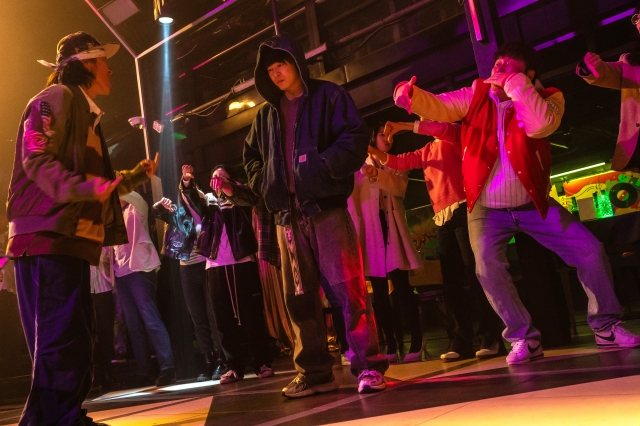
Furthermore, the production design—a stark, claustrophobic depiction of a modern urban environment under siege—serves to heighten the stakes. The use of limited lighting and sharp, angular cinematography creates a sense of dread that remains palpable even in the film’s quieter moments.
Official Responses and Critical Reception
Industry experts have been quick to praise My Daughter is a Zombie for its refusal to rely on cheap jump scares. Instead, the film has been lauded for its "slow-burn" approach to terror.
In official statements, the production team at STUDIO N noted that the film was intended to be a reflection of the "anxieties of the modern family." They emphasized that while the zombie element is the catalyst for the action, the true horror lies in the isolation that accompanies such a tragedy. "We wanted to explore how far a person would go when the world tells them they must give up," a producer stated during a recent press conference.
Critics have echoed these sentiments, with many pointing to the film’s ending as a particularly bold narrative choice. Rather than opting for a traditional resolution, the film leaves the audience with questions about the nature of humanity, sacrifice, and the definition of love in a post-apocalyptic world.
Implications: The Evolution of the Zombie Genre
The success of My Daughter is a Zombie signals a shift in the genre. For decades, the zombie film has been a vehicle for social critique regarding consumerism, war, or political instability. While this film touches on these themes, it prioritizes the individual experience.
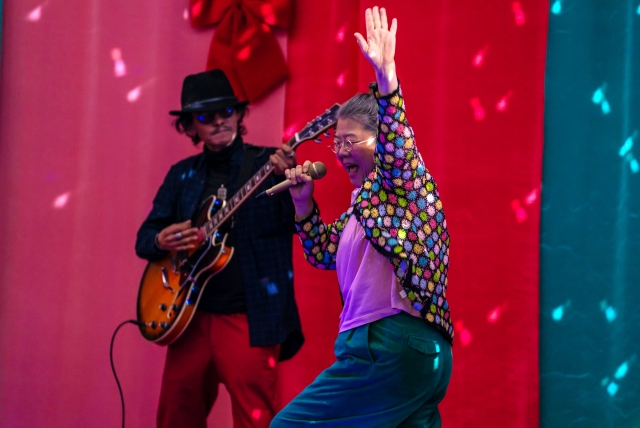
By grounding the supernatural in the deeply personal, the film invites a broader audience. It is a thriller for those who enjoy tension, but also a drama for those who prioritize character development. This crossover appeal is essential for the future of international cinema.
Moreover, the film’s success in integrating K-pop culture into a serious cinematic work suggests that "genre cinema" is becoming increasingly fluid. We are entering an era where the barriers between pop culture, music, and dark fiction are dissolving. My Daughter is a Zombie is not just a hit movie; it is a blueprint for how to use global cultural icons to give modern stories a deeper, more resonant meaning.
Conclusion: A Must-See Event
As My Daughter is a Zombie prepares for its wide release, it carries with it the weight of immense expectation. It is a film that challenges the viewer to look past the gore and into the eyes of a father doing the impossible. It is a story about the music we love, the people we lose, and the lengths we go to keep them close.
For those planning to attend the premiere on November 13, the experience promises to be more than just a trip to the cinema. It is an invitation to witness a pivotal moment in South Korean storytelling—a moment where the past and the present, the horrific and the beautiful, collide to create something truly unforgettable. Whether you are a fan of the genre or simply a lover of powerful human narratives, My Daughter is a Zombie is the cinematic event of the season.
The film’s legacy will likely be defined by how it managed to make us fear the undead while simultaneously making us weep for their humanity. In a crowded landscape of sequels and reboots, My Daughter is a Zombie stands tall as a singular, haunting, and deeply human achievement.

 Suro Senen
 Azzam Bilal Chamdy
 Nana Wu

