 By Laily UPN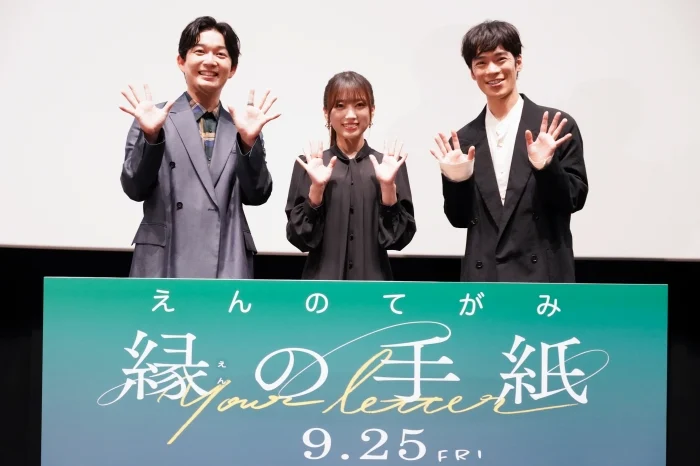
The digital landscape of 2026 has been captivated by a singular, emotional force: the cinematic adaptation of the acclaimed webtoon “Your Letter” (Japanese En no Tegami). Initially born as a serialized digital comic, the story of friendship, courage, and the quiet power of kindness has transcended its origins to become a landmark achievement in international animation. As the film prepares for its highly anticipated theatrical release in Japan on September 25, 2026, it serves as a testament to how modern storytelling can bridge cultural divides through the universal language of human empathy.
The Genesis of a Modern Classic: From Screen to Cinema
The journey of “Your Letter” began in 2018, when it first appeared on the digital platform Naver Webtoon. Created by the visionary artist Cho Hye-ran, the webtoon quickly amassed a dedicated following, eventually accumulating over 125 million views worldwide. Its premise is deceptively simple yet profoundly moving: a young girl, struggling with the complexities of school life and the sting of social isolation, discovers a series of mysterious letters that guide her on a journey of self-discovery and connection.
The story follows Sori, a student who has been ostracized by her peers. Her life changes when she follows a trail of handwritten notes that lead her into a secret, magical world hidden within the mundane environment of her school. Along the way, she meets an enigmatic group of friends who teach her that the most courageous act one can perform is to reach out to others, even when it feels safer to remain alone.

The transition from a static webtoon to a feature-length animated film was spearheaded by a powerhouse collaboration between Lotte Entertainment, Studio Lico, and Studio N. This partnership sought to preserve the delicate, watercolor-like aesthetic of the original source material while infusing it with the fluid, emotive animation required for the big screen.
Chronology: A Path to Global Recognition
The development of the “Your Letter” project was marked by careful deliberation and a commitment to artistic integrity.
- 2018: The original webtoon is serialized, gaining immediate traction for its sensitive portrayal of adolescent anxiety and social exclusion.
- 2023: Following its massive digital success, producers announced the official intent to adapt the work into a feature-length film, emphasizing the need to capture the "emotional texture" of Cho Hye-ran’s art.
- 2024: Production begins with a focus on blending traditional 2D animation techniques with modern digital rendering to ensure the school setting feels both grounded and ethereal.
- 2025: The film completes post-production, with international distributors securing rights for a wide release.
- September 2026: The grand premiere in Japan is scheduled, following a series of successful screenings at international film festivals where the movie received standing ovations for its poignant narrative.
Supporting Data and Production Insight
The production of “Your Letter” was not merely a mechanical adaptation; it was an exercise in cultural translation. The Japanese version of the film features a theme song titled "Your Letter – Japanese Ver.," performed by the renowned group HKT48. The choice to include HKT48 was intentional, as the group’s public image aligns with the themes of youth, growth, and the bittersweet nature of transition—all core components of the film’s narrative.

The film boasts a runtime of 97 minutes, a length that producers felt was optimal to allow the story to breathe without losing the pacing that made the original webtoon so addictive. The technical specifications—Dolby 5.1 surround sound and high-definition digital animation—ensure that the subtle shifts in the characters’ expressions, which were the hallmark of the original comic, are magnified on the silver screen.
Official Perspectives: The Voices Behind the Vision
During a recent press junket in Tokyo, the production team spoke candidly about the challenges and rewards of bringing Sori’s story to life.
"When we approached this project, our primary concern was the audience’s emotional connection to the source material," said a spokesperson for Studio Lico. "We didn’t want to replace the reader’s imagination; we wanted to amplify it. The letters in the film are not just plot devices; they are symbols of the silent, often invisible connections we form with others. We wanted the audience to feel the weight of every pen stroke."

The creative team emphasized the importance of the setting. The school in “Your Letter” is treated as a character in its own right. By utilizing a color palette that shifts from desaturated, cool tones during Sori’s periods of isolation to vibrant, warm hues as she finds her voice, the directors successfully mirror the protagonist’s internal growth through visual storytelling.
Regarding the Japanese localization, the production team highlighted the collaborative nature of the project. "Working with HKT48 allowed us to ground the film in a specific emotional resonance that appeals directly to the Japanese market while maintaining the universal themes of the original Korean source," noted the director. "It was never about making a ‘Korean’ or ‘Japanese’ film; it was about making a film that feels human."
The Implications of "Your Letter" on Modern Media
The success of “Your Letter” signals a significant shift in the entertainment industry. For years, webtoons were viewed as niche content—short-form entertainment designed for mobile devices. The cinematic success of “Your Letter” proves that these digital narratives possess the depth and character development required for long-form, high-budget theatrical releases.

A New Standard for Adaptation
The film is being cited by critics as a "gold standard" for how digital IP should be handled. Rather than rushing to capitalize on the name recognition, the producers invested in a multi-year development cycle. This patience has paid off, as the film has managed to satisfy the most hardcore fans of the webtoon while simultaneously attracting a new audience that has never interacted with the digital version.
The Power of Empathy in Storytelling
At its core, the implications of “Your Letter” are social. In an era where digital communication often leads to increased feelings of alienation, a story about the transformative power of a handwritten note serves as a powerful counter-narrative. It reminds the audience that technology, when used as a medium for connection rather than a barrier, can facilitate profound human interaction.
The film’s focus on the "A Day Before Us" philosophy—a concept explored in the film regarding the anticipation and nervousness of approaching others—has resonated deeply with the target demographic. By addressing the fears of rejection that characterize the school experience, “Your Letter” provides a safe space for viewers to confront their own insecurities.

Future Prospects and Theatrical Release
As September 25, 2026, approaches, anticipation in Japan is reaching a fever pitch. Advance ticket sales have surpassed initial projections, indicating that the film will likely be one of the most commercially successful animated features of the year.
The strategy for the release includes not just traditional cinema screenings, but also interactive exhibits in major cities where fans can view original concept art and, in a nod to the film’s central theme, write their own letters to be shared in a communal space. This commitment to fan engagement has turned the film into an "event," something rarely achieved by non-franchise animated works.
Looking ahead, the success of “Your Letter” has already triggered discussions regarding a potential sequel or spin-off projects that explore the lives of the supporting characters. However, the production team remains cautious. "We told the story we set out to tell," they stated. "If we return to this world, it must be because there is a genuine need for more story, not just a demand for more product."

Conclusion: A Legacy of Kindness
“Your Letter” stands as a beacon of what can be achieved when artistic vision is supported by robust production values and a genuine respect for the source material. It is more than just a movie; it is a movement that encourages viewers to look past their screens and reach out to the people around them.
As the film prepares to touch hearts in theaters across Japan, it serves as a gentle reminder that even the smallest gestures—a handwritten note, a kind word, or a moment of genuine attention—can alter the trajectory of a life. In a world that is increasingly loud and fragmented, “Your Letter” offers a quiet, beautiful, and necessary sanctuary. Whether you are a long-time fan of the original webtoon or a newcomer to this world, the story of Sori and her journey is one that demands to be experienced.
The letters are written, the ink is dry, and the story is ready to be told. The world is watching, and it is listening with a full heart.
 Siti Muinah
  Neng Nana
