
 By Lina Irawan
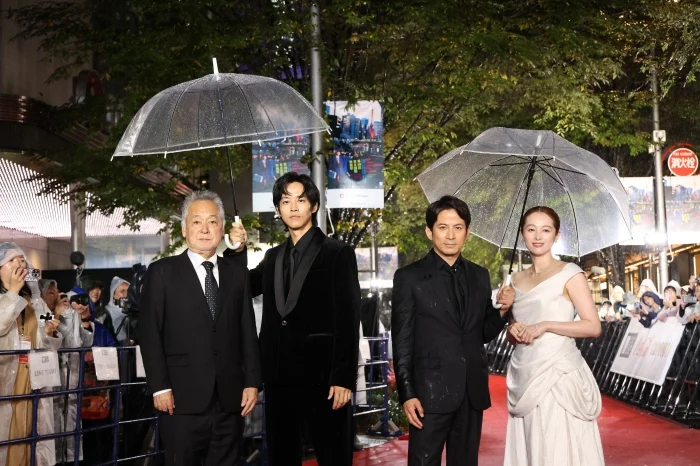
The global cinematic community has turned its collective gaze toward the heart of Japan as the 39th Tokyo International Film Festival (TIFF) officially announced its expansive and ambitious program. With a mission to bridge cultures and foster artistic innovation, this year’s iteration promises to be a milestone event, blending the rich traditions of Japanese storytelling with the cutting-edge narratives of modern world cinema.
Scheduled to take place from October 26 to November 4, 2026, the festival serves as a primary hub for directors, producers, and cinephiles. The announcement, which highlighted a diverse selection of films from across the globe, underscores the festival’s enduring relevance as a cornerstone of the international film circuit.
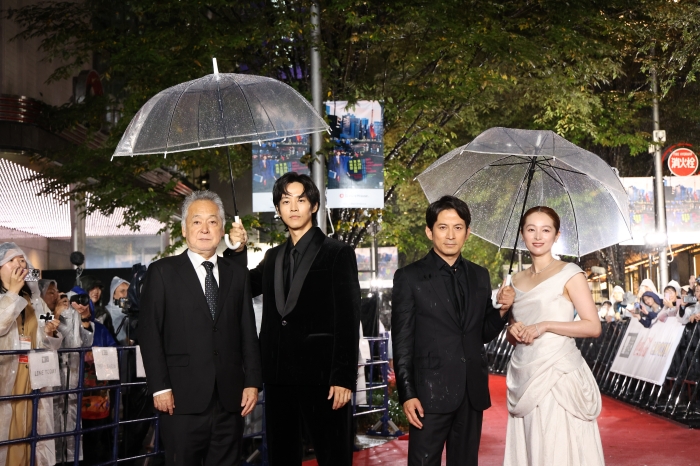
The Vision: Honoring Tradition, Embracing the Future
At the core of the 39th TIFF is a commitment to the "human story." Organizers have curated a selection that transcends geographic boundaries, focusing on the universal themes of memory, identity, and the rapid evolution of our technological landscape.
The festival leadership has emphasized that while the industry is currently undergoing a massive transformation driven by digital integration and new distribution models, the essence of the film festival remains unchanged: to provide a sanctuary for voices that might otherwise be drowned out by the noise of mainstream commercial cinema. By spotlighting both emerging auteurs and established masters, the 39th TIFF is positioning itself as a vital platform for cultural exchange.
Chronology: A Ten-Day Cinematic Journey
The festival is structured to maximize engagement for both industry professionals and the general public.
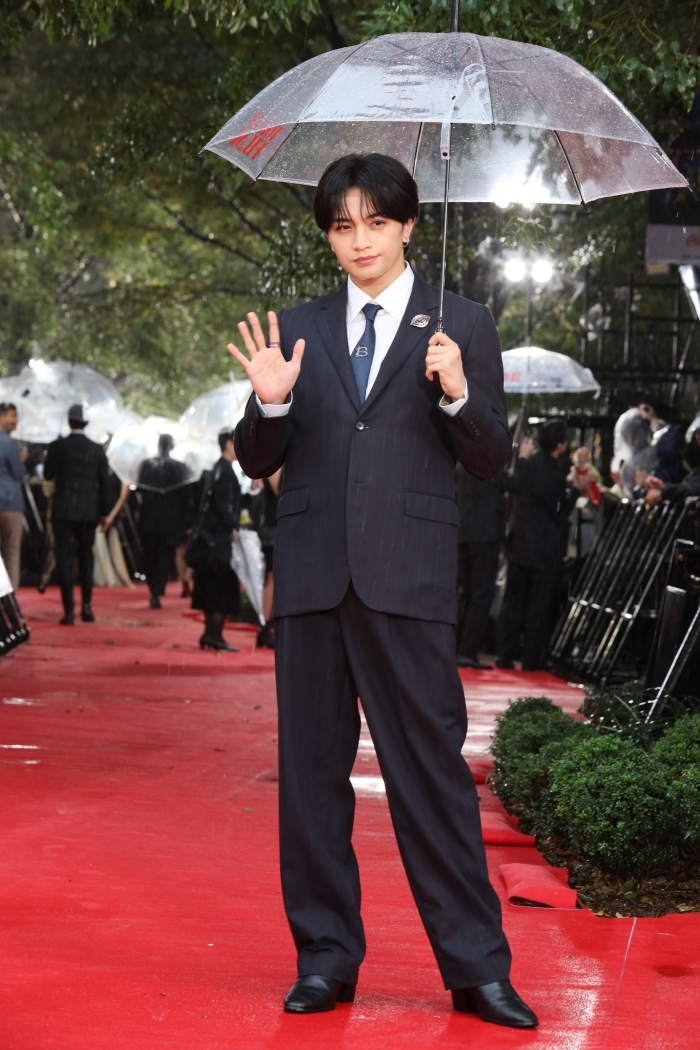
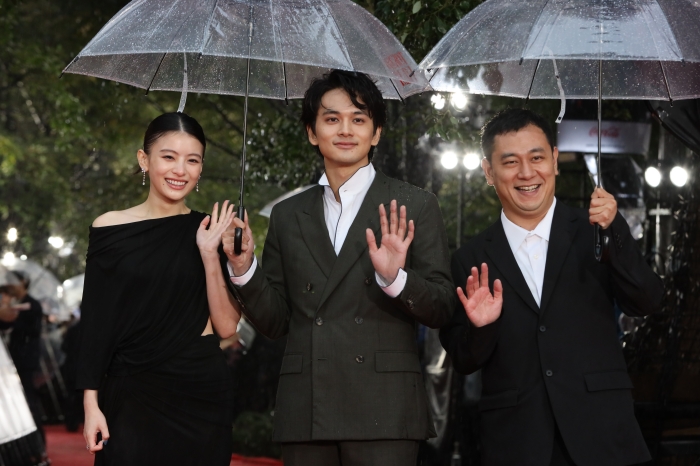
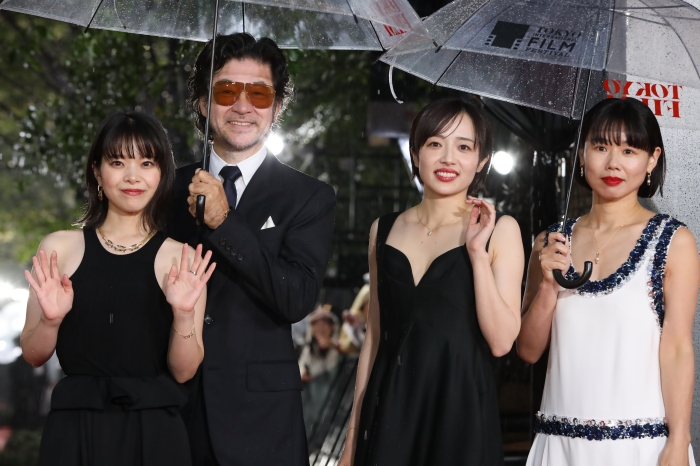
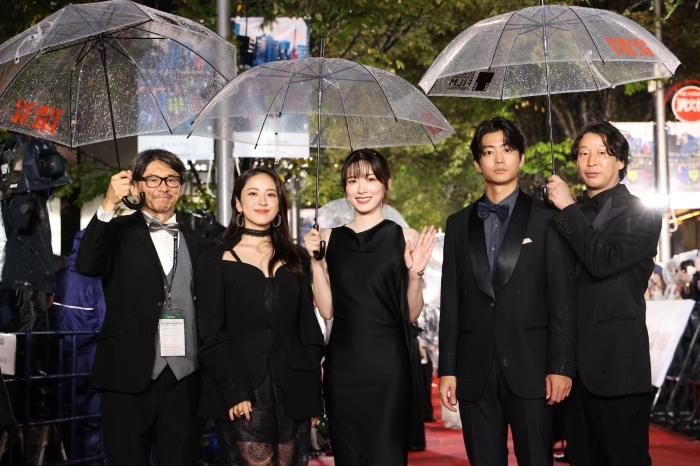
- October 26, 2026 (Opening Day): The festival kicks off with a grand opening ceremony. This day is dedicated to the premiere of highly anticipated titles and a red-carpet event that bridges the gap between local Japanese talent and international stars.
- October 27 – November 3, 2026: The core of the festival. During these eight days, the program includes competitive screenings, thematic sidebars, and intensive industry workshops. Key focus areas include independent Asian cinema, a retrospective on historical masterpieces, and the "Future of Narrative" series, which explores how virtual production is changing the filmmaking process.
- November 4, 2026 (Closing Day): The festival concludes with the awards ceremony, where the prestigious Tokyo Grand Prix and other major category winners will be revealed.
Supporting Data: A Massive Undertaking
The scale of the 39th TIFF is reflected in the numbers. This year, the festival has processed a record-breaking volume of submissions, with organizers vetting over 260 films for the various competitive and non-competitive sections.

The infrastructure behind the event is equally impressive. The festival will utilize several key venues across Tokyo, with over 600 individual screenings planned. To accommodate the influx of visitors, organizers have partnered with major hospitality groups to provide "cinematic experience" packages, aiming to make the event as accessible to the public as it is to the critics.
Key Metrics of the 39th TIFF:
- Total Film Selections: 262 films selected for competition and special screenings.
- Competitive Entries: 214 films competing across various categories.
- Expected Industry Attendance: Over 620 verified media and industry representatives.
- Audience Reach: Projected attendance exceeding 250,000 cinephiles.
- Historical Context: This marks the 204th major international film initiative hosted in Japan over the past five decades, cementing the nation’s status as a top-tier cultural destination.
Official Responses and Industry Sentiment
The announcement has been met with widespread enthusiasm from the filmmaking community. Producers and distributors are particularly optimistic about the festival’s focus on "The Art of the Human Connection," a theme that resonates with current global sentiments.
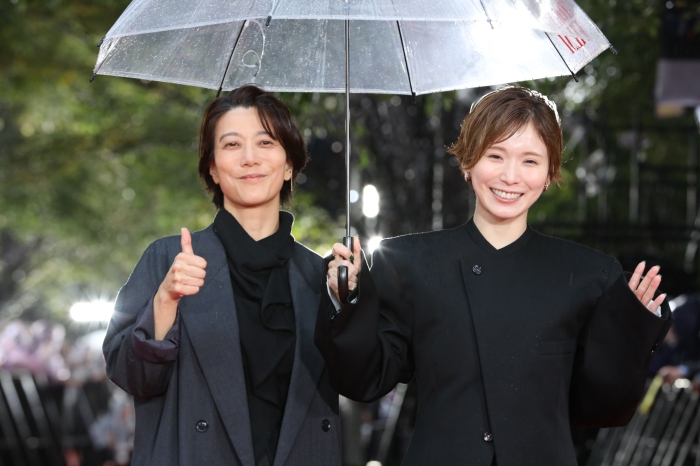
In a statement, the festival’s artistic director noted, "We are living in an era where the definition of a ‘film’ is fluid. Our role is to capture that fluidity without losing the soul of the medium. We aren’t just showing movies; we are documenting the human experience in its most honest form."
Industry veterans have praised the festival’s decision to maintain a strong focus on the theatrical experience, despite the growing influence of streaming platforms. By prioritizing the communal viewing environment, the 39th TIFF is making a definitive statement about the irreplaceable nature of the cinema hall.
Implications: Reshaping the Industry
The 39th TIFF is expected to have a significant impact on the international film market. As a primary gateway into the Asian market, the festival serves as a launching pad for films seeking distribution in one of the world’s most lucrative regions.
1. Market Accessibility
The festival’s focus on "SUKIYAKI" (a proprietary industry term used by the committee to denote the blending of diverse, high-quality ingredients to create a perfect cinematic dish) is designed to help independent filmmakers find international distribution. By hosting dedicated networking sessions between buyers and creators, the festival is directly influencing which films will reach global audiences in 2027 and beyond.
2. Technological Integration
The festival’s inclusion of a specialized track for AI-assisted storytelling and virtual production has sparked intense debate. By hosting panels with industry pioneers, the 39th TIFF is forcing a long-overdue conversation about ethics, authorship, and the future of the director’s role in an automated age.
3. Cultural Diplomacy
Beyond the commerce of film, the 39th TIFF continues to act as a tool for cultural diplomacy. With an unprecedented number of co-productions involving Japan and countries from Europe, South America, and Southeast Asia, the festival is fostering a new wave of international collaboration that will likely result in a more interconnected cinematic landscape.
The "SUKIYAKI" Philosophy: A New Industry Standard
One of the most intriguing aspects of this year’s festival is the implementation of the "SUKIYAKI" approach to programming. Rather than separating films by genre or budget, the festival is grouping them by "emotional resonance." This radical departure from traditional festival categorization allows a small, experimental documentary from a first-time director to be screened alongside a high-budget drama from a household name, provided they share a thematic thread.
Organizers claim this approach has already increased ticket pre-sales by 15%, suggesting that audiences are eager for a more curated, less compartmentalized experience.

Looking Ahead: The Legacy of the 39th TIFF
As Tokyo prepares for the opening curtain on October 26, the expectations are higher than ever. The festival is not merely a collection of screenings; it is a barometer for the health of the global film industry. By balancing the demands of commercial viability with the pursuit of high art, the 39th Tokyo International Film Festival is proving that even after 39 years, it remains at the forefront of cinematic innovation.
For those planning to attend, the festival website, www.tiff-jp.net, provides the full schedule, ticket information, and details on the various industry workshops. Whether you are a professional looking to secure your next project or a film enthusiast seeking to discover the next masterpiece, the 39th TIFF offers an unparalleled opportunity to witness the future of film in real-time.

The stage is set. The lights will soon dim. And once again, the world will watch as Tokyo defines what it means to tell a story in the 21st century.


 Suro Senen
 Azzam Bilal Chamdy
 Nana Wu

