
 By Pevita Pearce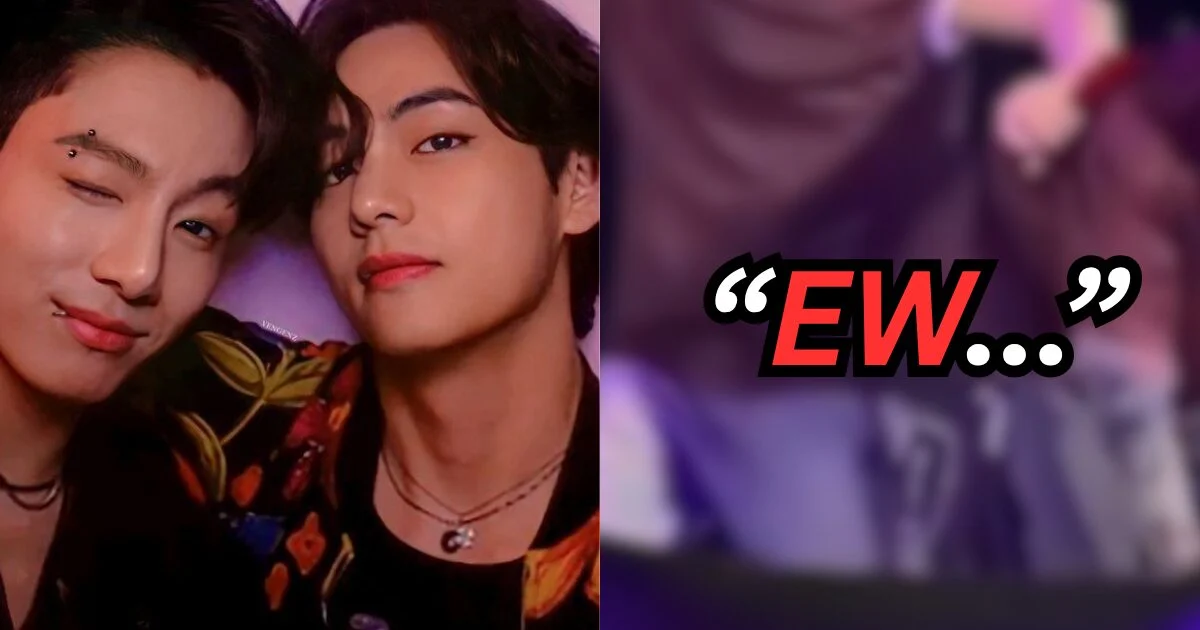
The global K-pop phenomenon BTS has found itself at the center of a burgeoning controversy following a recent performance during their highly anticipated ARIRANG World Tour. Two of the group’s most prominent members, Jungkook (Jeon Jung-kook) and V (Kim Tae-hyung), are facing significant online backlash for a specific interaction on stage that some viewers have labeled as inappropriate and a blatant example of "queerbaiting." The incident, which occurred during a segment of the concert intended for informal fan interaction, has ignited a debate regarding the boundaries of "fan service" in an industry that is increasingly scrutinized by a global audience with evolving sensibilities.
The Incident: An Unchoreographed Moment Under Scrutiny
The controversy stems from a viral video clip captured during the ARIRANG World Tour Concert series. During a set break or a non-choreographed "encore-style" performance—where idols typically interact more freely with the audience—V and Jungkook engaged in a playful, albeit provocative, exchange. According to eyewitness accounts and high-definition fan-taken footage, V approached Jungkook and mimicked the motion of mounting a horse. He then proceeded to gesture as if he were striking a whip. Jungkook immediately leaned into the play, bending forward and mimicking the movements of a galloping horse.
While the "horse and rider" trope is a common comedic bit in various cultures, the specific execution and the context of the performance led many observers to characterize the moment as "NSFW" (Not Safe For Work) or suggestive. In the high-octane environment of a stadium concert, where every movement is magnified on giant LED screens, the interaction was viewed by tens of thousands in person and millions more once the clip migrated to social media platforms such as X (formerly Twitter), TikTok, and Instagram.
Immediate Public Reaction and Social Media Backlash
The reaction to the clip was swift and polarized. While a segment of the "ARMY" (BTS’s dedicated fanbase) defended the duo, citing their long-standing friendship and history of "goofy" behavior, a significant wave of criticism emerged from both casual observers and disgruntled fans. The primary accusations leveled against the performers involve "queerbaiting"—a marketing technique where creators hint at, but do not depict, same-sex romance to attract an LGBTQ+ audience or capitalize on "ship" culture.
Several viral posts on X highlighted a growing fatigue with this type of fan service. One user remarked that the performers, who are now veteran artists in their late 20s and early 30s, should move past such tactics. The phrase "pushing 40" was used hyperbolically by some critics to emphasize that the members have reached a level of maturity where such "juvenile" or "calculated" fan service feels out of place. Another critic noted, "If this is their definition of fan service, then I don’t want it," while others employed the term "gay4pay," suggesting that the interaction was a cynical attempt to monetize the popular "Taekook" ship (a fan-created pairing of Tae-hyung and Jung-kook).
The Evolution of Fan Service in the K-pop Industry
To understand the weight of this controversy, one must examine the historical context of "fan service" (often referred to as paen seobiseu in South Korea) within the K-pop industry. For decades, entertainment agencies have encouraged idols to engage in "skinship"—physical affection between members—to foster a sense of intimacy and camaraderie. This practice is a cornerstone of the idol-fan relationship, driving engagement through social media discussions and fan-generated content.
However, as K-pop has transitioned from a domestic South Korean product to a global juggernaut, these practices have met with different cultural interpretations. In Western markets, "skinship" is often viewed through the lens of queer identity or, conversely, queerbaiting. For BTS, a group that has consistently championed messages of "Love Yourself" and inclusivity, the line between genuine friendship and performative interaction has become a focal point for academic and social critique.
Chronology of Recent BTS Controversies
The backlash against Jungkook and V does not exist in a vacuum. It follows a series of incidents that have seen the group’s creative choices questioned by the public.
- Military Discharge and Reunion (2025-2026): After completing their mandatory South Korean military service, BTS reunited for a full-group comeback. The ARIRANG World Tour was designed to celebrate this reunion, setting expectations at an all-time high.
- The ARIRANG World Tour Kickoff: The tour began with record-breaking ticket sales, but early shows were met with some criticism regarding the "rehashed" nature of certain stage elements.
- The "Insensitive" Song Choice: Just days prior to the "fan service" incident, BTS faced accusations of insensitivity toward women following the inclusion of a specific song in their setlist. While the song was a fan favorite from their earlier discography, critics argued its lyrics had not aged well in the "Me Too" era.
- The Viral Clip (August 2026): The interaction between V and Jungkook during the concert became the tipping point for a broader discussion on the group’s current artistic direction and public image.
Analyzing the "Queerbaiting" Accusations
The term "queerbaiting" is particularly sensitive in the context of K-pop. Critics argue that by leaning into suggestive behavior, idols exploit the emotions of the LGBTQ+ community without ever taking a definitive stance on queer rights or identity. In the case of Jungkook and V, the "horse and rider" bit was seen by some as an intentional nod to "shippers"—fans who romantically pair members together.

Social media analysts suggest that the frustration stems from a perceived lack of authenticity. As BTS members have grown into global ambassadors for UNICEF and spoke at the United Nations, the public’s expectation for "mature" and "meaningful" conduct has increased. When the members engage in behavior that mirrors the "rookie era" fan service of a decade ago, it can create a cognitive dissonance for the audience.
The Role of "Ship Culture" in Group Dynamics
"Ship culture" is a double-edged sword for K-pop agencies like HYBE. On one hand, it drives immense digital engagement. The "Taekook" pairing is arguably the most popular ship in the history of the genre, with millions of dedicated posts across platforms like Tumblr and Wattpad. On the other hand, it places the idols in a position where their every move is scrutinized for "evidence" of a secret relationship.
The recent "NSFW" moment is viewed by some as the members "feeding" the shippers. For those who find this practice distasteful, it represents a step backward for the group. They argue that BTS no longer needs to rely on such tropes to maintain their popularity, and that doing so undermines their individual artistic identities.
Official Responses and Industry Implications
As of the time of reporting, HYBE (the parent company of BigHit Music) has not issued an official statement regarding the specific stage interaction. Historically, the agency has remained silent on matters of fan service, preferring to let the discourse play out among the fans. However, the scale of the "queerbaiting" accusations may eventually necessitate a PR pivot if it begins to impact the group’s brand partnerships or their standing in more conservative or, conversely, more progressive global markets.
Industry experts suggest that this incident might lead to a tightening of "stage protocols" for the remainder of the ARIRANG World Tour. "We are seeing a shift where global fans are demanding more transparency and less performative ambiguity," says a Seoul-based pop culture critic. "What was once considered harmless fun in a local context is now being decoded by a global audience that is very sensitive to the commodification of identity."

Broader Impact on the K-pop Landscape
The controversy surrounding Jungkook and V serves as a bellwether for the wider K-pop industry. As other third-generation and fourth-generation groups age, they will likely face similar challenges in balancing the traditional expectations of "idol behavior" with the realities of being adult artists in the public eye.
The "pushing 40" comment, while factually inaccurate for the members in 2026, highlights a real concern: the "expiration date" of the traditional idol model. If veteran groups like BTS cannot successfully transition away from "fan service" tropes without alienating their base or attracting "queerbaiting" charges, it may signal a need for a fundamental redesign of how idols interact with their fans during live performances.
Conclusion: A Turning Point for BTS?
The ARIRANG World Tour was meant to be a triumphant return for the "Princes of Pop." While it has undoubtedly been a commercial success, the recent friction over stage behavior and song choices suggests a group in transition. The "fan service" incident involving Jungkook and V has touched a nerve because it sits at the intersection of age, sexuality, and the commercialization of friendship.
Whether this backlash will result in a change in the group’s stage persona remains to be seen. However, the discourse serves as a reminder that in the modern era of global music, no gesture is too small to be analyzed, and no "service" is exempt from the evolving standards of a worldwide audience. As BTS continues their tour, the eyes of the world will be on them—not just for their music, but for the way they choose to represent themselves as men and as icons in an increasingly complex cultural landscape.

