
 By Basiran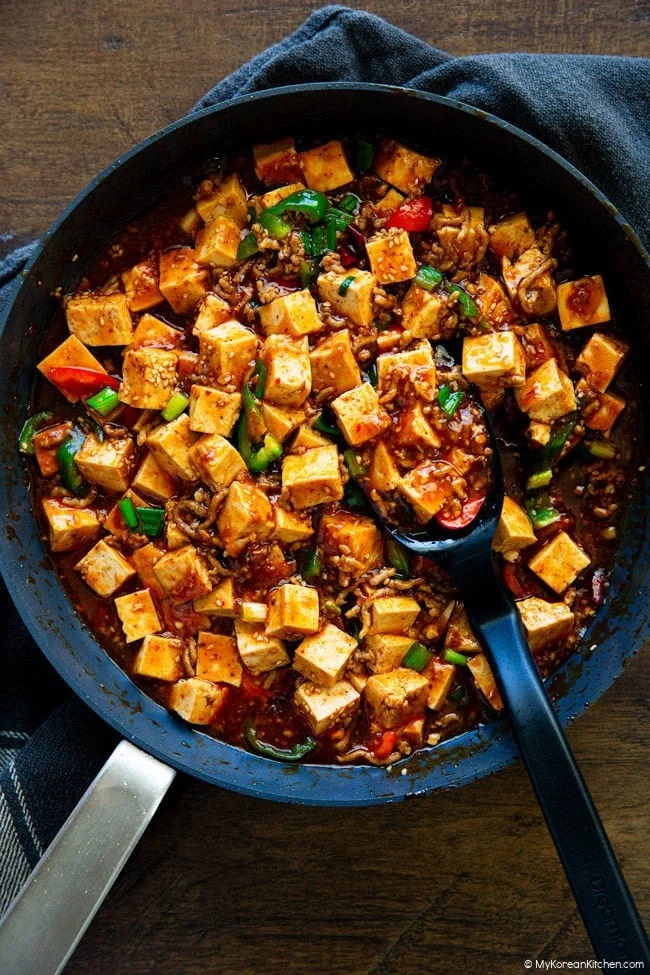
In the vast landscape of East Asian cuisine, few dishes command as much respect—or as much intense debate—as Mapo Tofu. Originating from the Sichuan province of China, the traditional dish is an icon of culinary architecture: silken tofu suspended in a fiery, oil-slicked sauce of fermented broad bean paste (doubanjiang) and, crucially, the signature numbing sensation of Sichuan peppercorns.
However, culinary evolution rarely respects borders. A new, localized iteration has emerged that bridges the gap between the bold, spicy profiles of Sichuan and the deeply savory, fermentation-forward palate of Korea. This "Korean-style Mapo Tofu" is not merely a variation; it is a thoughtful reimagining of a classic, designed to offer a more accessible, deeply umami-rich experience that caters to the modern home cook’s desire for soul-warming, satisfying meals.
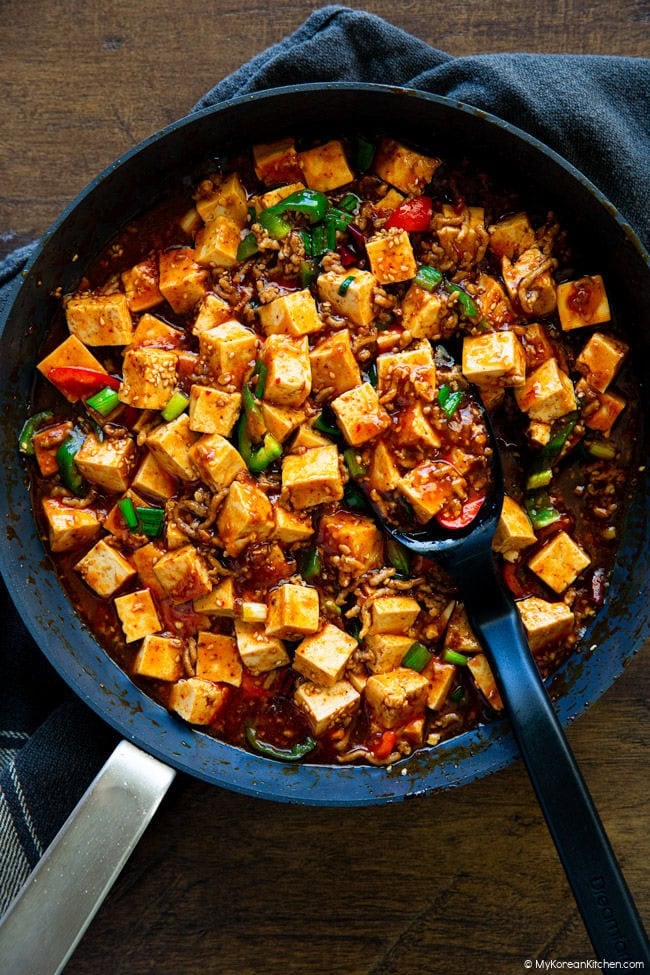
Main Facts: A Symphony of Fermentation
At its core, this Korean-inspired take on Mapo Tofu relies on a distinct "umami trinity" that sets it apart from its Chinese progenitor. While traditional recipes lean heavily on the numbing spice of mala (numbing and spicy), this version pivots toward a balanced, savory depth.
The secret lies in the infusion of three pillars:
- Anchovy Stock: Acting as the backbone of the sauce, this base provides a clean, oceanic salinity that elevates the dish beyond a simple chili-based stew.
- Anchovy Fish Sauce: Used sparingly, it acts as a flavor enhancer, bridging the gap between the protein and the aromatics.
- Ssamjang: The star of the show. This thick, flavorful Korean paste—a blend of soybean paste (doenjang), chili paste (gochujang), sesame oil, and garlic—adds a distinct nuttiness and complexity that provides the "heartiness" characteristic of Korean home-style cooking.
This combination creates a sauce that is less aggressively numbing, opting instead for a rounded, layered flavor profile that feels inherently "cozy." It is a dish that does not demand to be conquered by the palate, but rather invited in.
Chronology: The Evolution of the Dish
The history of Mapo Tofu is well-documented, dating back to the late Qing Dynasty in Chengdu. Named after the "pockmarked old woman" (mapo) who allegedly created it, the dish was designed to be an affordable, high-protein meal for laborers.
The transition to a Korean-style version is a relatively recent phenomenon, coinciding with the rise of global home-cooking culture. As food enthusiasts began experimenting with ingredients outside of their traditional regional contexts, chefs and home cooks alike noticed that the savory base of Korean jjigae (stews) shared a functional parallel with the Sichuanese sauce base.
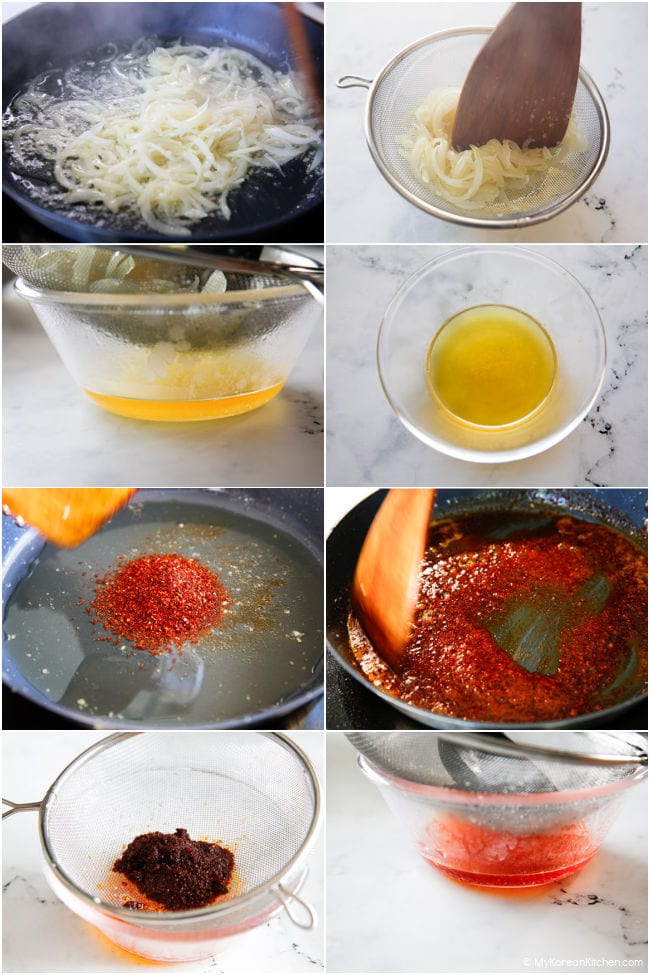
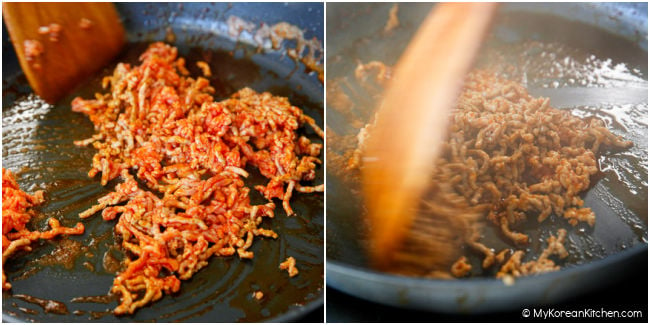
- The Foundation: The process begins with the creation of a specialized chili oil. Unlike store-bought varieties, this home-style method requires a careful infusion of aromatics—onion and garlic—into the oil to create a sweet, golden base before the chili flakes are added.
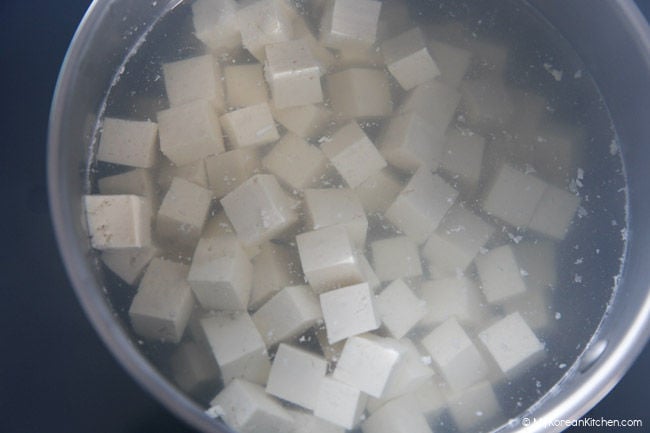
- The Blanching: To ensure the tofu maintains its delicate structure while absorbing the sauce, a critical step is introduced: blanching. By simmering the tofu in salted water for sixty seconds, the cook firms the exterior of the curd without compromising the creamy interior.
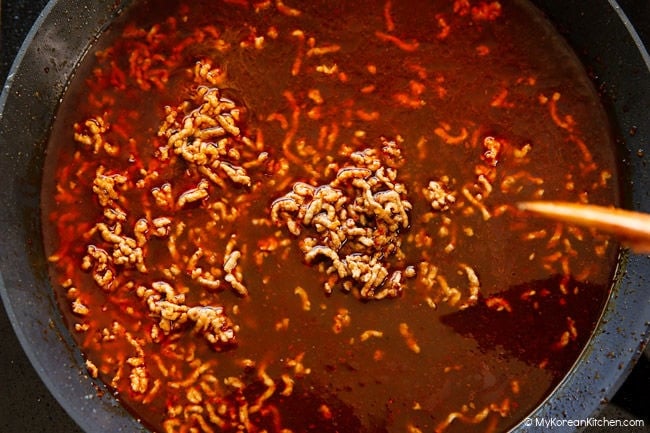
- The Simmer: Once the pork is browned in the infused oil, the sauce—a mixture of anchovy stock, ssamjang, and aromatics—is introduced. The slow reduction of this mixture allows the ingredients to marry into a thick, glossy, and deeply flavorful sauce.
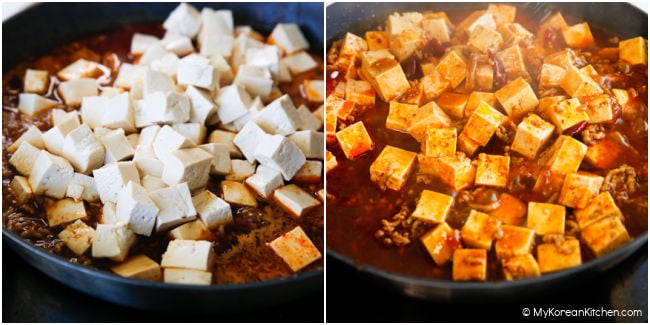
- The Finish: The final stage, the addition of a starch slurry, provides the signature viscosity that clings to the tofu cubes, ensuring that every bite is perfectly coated.
Supporting Data: Nutrition and Profile
For the health-conscious home cook, the nutritional profile of this dish offers a balanced macronutrient spread, though it is important to note the sodium content inherent in fermented pastes.
Nutritional Snapshot (Per Serving):
- Calories: 394 kcal
- Protein: 9g
- Carbohydrates: 26g
- Total Fat: 29g
- Sodium: 1761mg
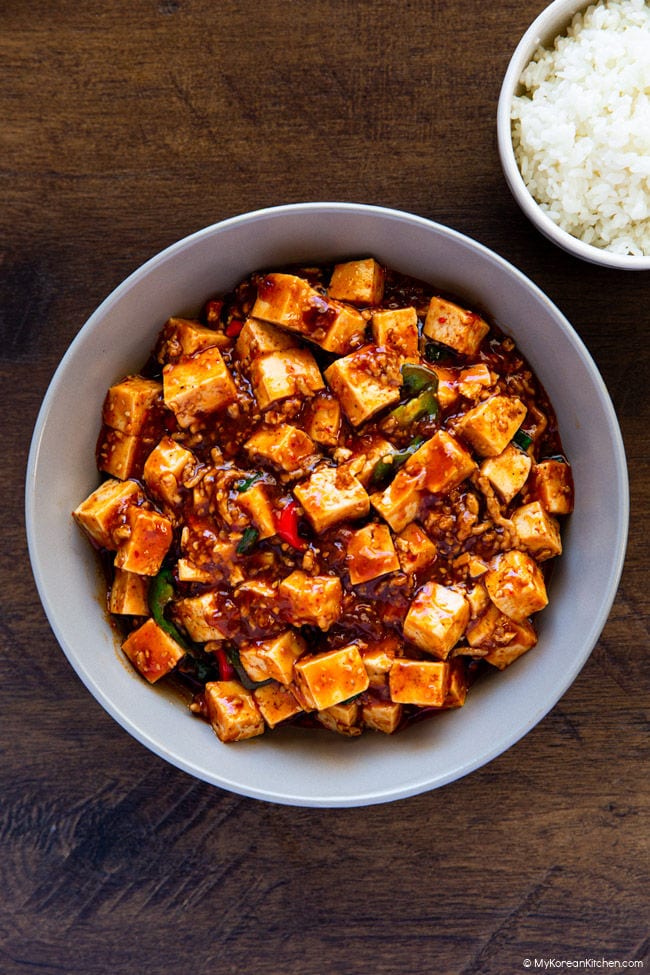
The high sodium content is a direct result of the use of ssamjang and fish sauce, both of which are essential to the depth of flavor. However, because the dish is typically served over steamed rice, the carbohydrates help to mitigate the intensity of the seasoning, creating a meal that is satiating and balanced. The inclusion of tofu as the primary protein also makes this an excellent option for those looking to incorporate more plant-based protein into their diet without sacrificing the "meatiness" of the pork base.
Official Perspectives: The "Home-Style" Philosophy
In the culinary world, "home-style" is often a code for accessibility. Unlike restaurant-grade Mapo Tofu, which requires a mastery of wok hei (the "breath of the wok") and specific Sichuan peppercorns that can be difficult for the average consumer to source, this Korean adaptation prioritizes pantry staples.
Food experts and home-cooking advocates suggest that the success of this recipe lies in its "approachable comfort." By swapping out the numbing peppercorns for a combination of gochugaru (Korean chili flakes) and ssamjang, the dish shifts from an intimidating, heat-forward challenge to a staple dinner option.
"The goal is not to mimic the Sichuan classic, but to borrow its spirit," says a culinary analyst. "By using ingredients like anchovy stock, the cook is utilizing the ‘hidden umami’ that defines Korean cuisine. It transforms a dish that is traditionally ‘hot and numbing’ into something that is ‘savory and grounding.’"
Implications: A New Standard for Fusion
The emergence of this Korean-style Mapo Tofu highlights a broader trend in global gastronomy: the rise of "Third Culture Cooking." This is not a fusion that seeks to strip a dish of its heritage, but rather one that honors the technique while applying the flavor grammar of another culture.
The implications for home cooks are significant. This recipe demonstrates that by understanding the function of an ingredient—in this case, the umami-rich fermentation of Chinese doubanjiang—one can successfully substitute it with local equivalents like ssamjang. It encourages experimentation and demystifies the process of creating complex, restaurant-quality sauces at home.
Storage and Scalability
For those looking to integrate this dish into a weekly meal-prep rotation, the longevity of the sauce is a major benefit. Because the dish relies on fermented pastes and a reduced stock, the flavors do not degrade quickly. In fact, many enthusiasts report that the dish is superior on the second day, as the tofu absorbs the surrounding liquid, becoming even more flavorful.
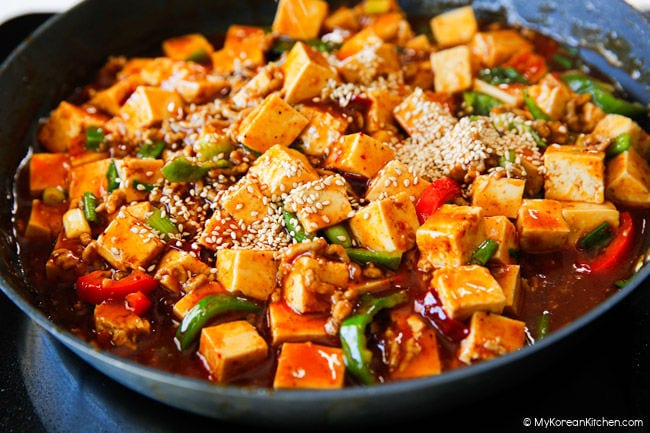
To store, place in an airtight container for up to three days. When reheating, a gentle splash of water may be necessary to loosen the starch-thickened sauce, but the structural integrity of the firm tofu will remain intact.
Conclusion: The Verdict
This Korean-style Mapo Tofu is a masterclass in adaptation. It succeeds because it refuses to be a copycat, choosing instead to lean into the unique strengths of the Korean pantry. Whether you are a fan of traditional Sichuanese heat or are simply looking for a new, comforting way to prepare tofu, this recipe offers a reliable, deeply satisfying path forward. It is, ultimately, a dish that proves that the best meals are the ones that take us on a journey, bridging traditions while keeping the warmth of the home kitchen firmly at the center.
 Raul Delapena Setiawan
  Asep Darmawan
  Nana Wu
