
 By Iffa Jayyana
In a candid and deeply personal revelation that has resonated across South Korea, acclaimed actress Lee El recently shared a poignant confession about her ongoing battle with loneliness and a seven-year hiatus from dating. The disclosure, made through a video titled "Not Graceful in My 40s" on her personal YouTube channel, offered an unfiltered glimpse into the emotional complexities faced by public figures, particularly as they navigate personal milestones and societal expectations. Lee El, known for her powerful and versatile performances in numerous television dramas and films, opened up about the profound sense of isolation she has experienced, highlighting the universal struggle with mental well-being even amidst professional success.
The Emotional Revelation: A Glimpse into Vulnerability
The video, which quickly garnered significant attention, presented Lee El in a reflective and vulnerable state. Approaching her 40s, a significant life stage often accompanied by introspection, the actress admitted, "I honestly never imagined being 40 years old." This statement encapsulated a broader sentiment of confronting unforeseen realities and the pressures associated with age in the entertainment industry and Korean society at large. Her confession continued, "Everything is about energy and waves. Since I’ve been going through a worrying and anxious period lately, every morning when I wake up, I tell myself, ‘Ji Hyun [Lee El’s birth name], it’s okay. Today will be okay.’" This daily ritual of self-affirmation speaks volumes about the internal fortitude required to navigate periods of personal distress, particularly when under the constant public gaze.
Lee El further elaborated on the origins of her loneliness, linking it to her journey of independence and familial responsibility. "Before living alone, this was unfamiliar to me. Since becoming independent and taking care of my mother, I don’t have a boyfriend or siblings to rely on. If I don’t comfort myself, I find myself crying while drinking." This stark admission painted a picture of immense personal burden, where the absence of a conventional support system—be it a romantic partner or close family members beyond her mother—has led to profound emotional solitude. The act of self-comforting, sometimes involving alcohol, underscored the depth of her struggle and the lack of external outlets for emotional release.
The most striking revelation, however, concerned her romantic life: "It’s been such a long time since I dated someone. It’s been seven years." This prolonged period of singledom, coupled with her expressed feelings of loneliness, resonated deeply with many viewers, particularly women in their 30s and 40s who may face similar societal pressures regarding relationships and family. She concluded her confession by articulating the core of her emotional need: "I feel lonely when bad things happen these days. I wish I had someone to listen to me and lean on for support." This desire for emotional companionship and a reliable confidant is a fundamental human need, and Lee El’s courage in articulating it openly has sparked a broader conversation about mental health and personal relationships in contemporary South Korea.
Lee El’s Illustrious Career and Public Persona
Born Kim Ji-hyun, Lee El debuted in 2007 and has since established herself as a formidable talent in the Korean entertainment landscape. Her career is marked by a diverse array of roles that have showcased her exceptional range and ability to embody complex characters. She gained significant recognition for her role as a mysterious deity in the immensely popular 2016 fantasy drama Goblin (Guardian: The Lonely and Great God), where her captivating performance left a lasting impression. Other notable appearances include the critically acclaimed drama My Liberation Notes (2022), where she portrayed the eldest 염창희 (Yeom Chang-hee), a character struggling with the mundane realities of life and longing for liberation. Her roles in films such as Inside Men (2015) and The Call (2020) further solidified her reputation as a versatile actress capable of delivering powerful and nuanced performances across various genres.
Throughout her career, Lee El has often been cast in roles that exude strength, independence, and sometimes an enigmatic aura. Her on-screen presence is frequently characterized by a compelling intensity and a sophisticated charm. This public persona, often perceived as self-assured and resilient, stands in poignant contrast to the vulnerability she displayed in her recent YouTube video. The juxtaposition highlights the often-invisible struggles faced by public figures, whose carefully curated images or powerful on-screen portrayals can mask deeply personal emotional challenges. Her decision to share such an intimate aspect of her life serves as a powerful reminder that behind every public persona lies a human being with their own vulnerabilities and struggles, challenging the often-glamorized perception of celebrity life.
Loneliness in the Spotlight: A Broader Perspective
Lee El’s confession casts a spotlight on the often-overlooked mental health challenges prevalent within the entertainment industry. Celebrities, despite their fame and apparent success, frequently grapple with immense pressure, intense scrutiny, and a unique form of isolation. The constant demand for perfection, the invasive nature of public and media attention, and the transient nature of relationships within the industry can contribute to feelings of anxiety, depression, and profound loneliness. In South Korea, where the entertainment industry is highly competitive and demanding, the mental well-being of artists has become a growing concern, especially following several high-profile cases of celebrities struggling with mental health issues.
Studies and reports indicate that mental health awareness is slowly gaining traction in South Korea, but stigma still remains a significant barrier to seeking help. Celebrities opening up about their struggles, like Lee El, play a crucial role in destigmatizing these conversations and encouraging others to acknowledge and address their own mental health. The pressures extend beyond professional demands; societal expectations placed on women in their 30s and 40s in South Korea, particularly regarding marriage and family, are formidable. There is often an unspoken pressure for women to settle down, marry, and start families by a certain age, and those who deviate from this traditional path can face societal judgment or personal feelings of inadequacy. Lee El’s candidness about her age and relationship status directly confronts these deeply ingrained societal norms, potentially offering solace and validation to many who find themselves in similar situations.

The Seven-Year Hiatus: Personal Reflections and Societal Context
The revelation of a seven-year dating hiatus is particularly noteworthy. Lee El attributed this prolonged period of singledom to her commitment to independence and her role in caring for her mother. This narrative is increasingly common in South Korea, where filial piety remains a strong cultural value, and many adult children take on significant responsibilities for their aging parents. The demands of modern life, coupled with familial duties, often leave little time or energy for cultivating romantic relationships.
Furthermore, South Korea has been experiencing significant demographic shifts, with rising numbers of individuals choosing to delay marriage or forgo it entirely. The average age for first marriage has steadily increased, and the proportion of single-person households is on the rise. Factors contributing to this trend include economic pressures, evolving career aspirations, changing gender roles, and a growing desire for personal autonomy. For women, in particular, pursuing a career and maintaining independence can often conflict with traditional expectations surrounding marriage and family, leading to difficult choices and, for some, extended periods of singlehood. Lee El’s experience, while personal, thus mirrors a broader societal phenomenon, making her confession relatable to a wide audience grappling with similar life choices and their emotional consequences.
The Power of Vulnerability: Public Reaction and Impact
Lee El’s emotional confession is anticipated to elicit a wave of support and empathy from her fans and the wider public. In an era where authenticity and vulnerability are increasingly valued, especially on social media platforms like YouTube, such disclosures foster a deeper connection between public figures and their audience. Her willingness to share her raw emotions humanizes her in a way that professional roles often cannot, allowing viewers to see beyond the celebrity facade and relate to her as an individual facing universal human challenges.
The impact of such a confession extends beyond immediate public reaction. It contributes significantly to destigmatizing discussions around loneliness and mental health, particularly within the often-glamorous and seemingly perfect world of entertainment. When a respected public figure like Lee El speaks openly about her struggles, it sends a powerful message that it is acceptable to feel lonely, to be single, and to seek support for emotional well-being. This can empower others, who might be experiencing similar feelings in silence, to acknowledge their emotions and potentially reach out for help or connection.
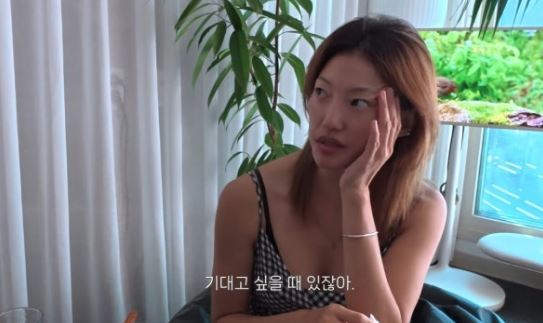
Moreover, the platform chosen—her personal YouTube channel—is significant. Unlike traditional media interviews that might filter or shape a narrative, a personal YouTube video allows for a direct, unfiltered communication channel with the audience. This directness enhances the authenticity of her message, making it feel more genuine and impactful. Such disclosures by celebrities can also spark broader societal conversations about the pressures faced by women in their 40s, the importance of support systems, and the evolving landscape of relationships and family in modern Korea. It challenges the notion that happiness is solely contingent on romantic relationships or traditional family structures, validating alternative life paths and the complex emotions that can accompany them.
Looking Ahead: Implications for Lee El and the Industry
Lee El’s brave confession undoubtedly marks a significant moment in her personal journey and public narrative. While it exposes a vulnerable side, it also demonstrates immense strength and self-awareness. For her career, this candidness might deepen her connection with her audience, potentially leading to roles that further explore human vulnerability and resilience. It could also open doors for her to become an advocate for mental health awareness, using her platform to shed light on important societal issues.
For the Korean entertainment industry, Lee El’s revelation adds to a growing chorus of voices advocating for greater attention to artists’ mental health. It serves as a reminder that behind the dazzling performances and glamorous appearances, individuals are often battling personal demons. This collective push for more robust support systems, better mental health resources, and a more understanding environment for artists is crucial for fostering a healthier and more sustainable industry. As society continues to grapple with increasing rates of loneliness and mental health challenges, the courageous voices of figures like Lee El become invaluable, paving the way for more open dialogue, greater empathy, and a more compassionate understanding of the human experience.

