
 By Nila Kartika Wati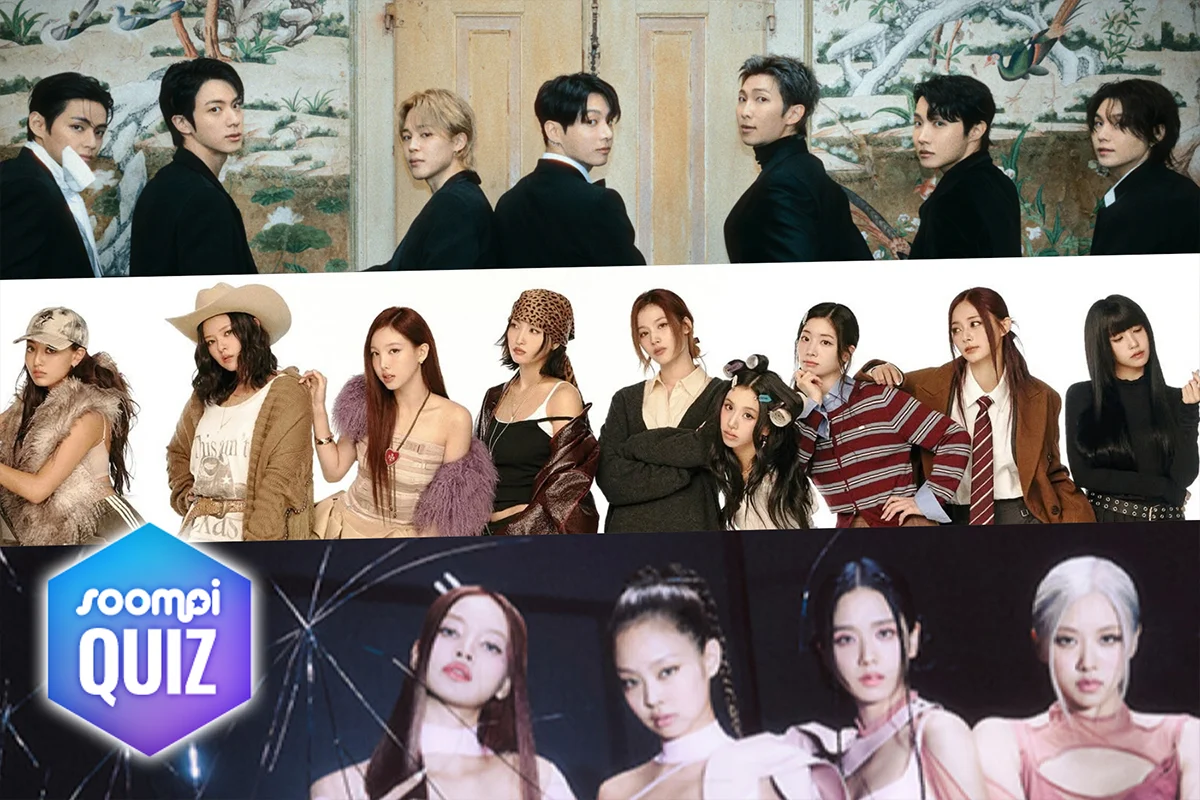
The profound subjectivity of musical taste, where personal playlists are curated from an ocean of sonic possibilities, dictates an individual’s sonic landscape. The notion that a widely acclaimed hit song might not resonate with everyone is not only acceptable but expected, fostering a private sanctuary for personal preferences. This article explores the intricate relationship between an individual’s song selection and their perceived level of personal chaos, moving beyond a superficial quiz to a more analytical examination of how musical preferences can correlate with psychological disposition. The act of choosing songs, whether by pressing play or hitting skip, is presented not merely as an idle pastime but as a potentially revealing indicator of one’s inner world. This exploration encourages an intuitive approach, urging individuals to trust their immediate reactions rather than overthinking their choices.
The Science of Sonic Affinity and Personality
While the original prompt presented a lighthearted approach to correlating music choices with "chaos," the underlying premise touches upon established research in psychology and music cognition. The idea that our musical preferences are deeply intertwined with our personalities is a well-documented phenomenon. Studies have consistently shown that individuals tend to gravitate towards musical genres and artists that align with their psychological traits, emotional states, and even cognitive styles.
For instance, research published in the journal Psychology of Music has explored how personality factors such as openness to experience, conscientiousness, extraversion, agreeableness, and neuroticism can predict musical preferences. Individuals high in openness to experience, for example, are often drawn to more complex and diverse musical genres, including classical, jazz, and world music. Conversely, those who score higher on conscientiousness might prefer more structured and conventional music. Extraverts often favor upbeat, rhythmic, and popular music, while individuals experiencing higher levels of neuroticism might seek solace or catharsis in more intense or melancholic genres.
The concept of "chaos" as presented in the initial prompt can be interpreted through various psychological lenses. It could refer to impulsivity, a less rigid adherence to convention, a higher tolerance for ambiguity, or a more adventurous and less predictable approach to life. If we frame "chaos" in this manner, then the music choices that deviate from mainstream popularity, embrace complexity, or exhibit a broader range of emotional expression might indeed be indicative of a less conventional or more dynamically structured inner life.
The Evolution of Personal Playlists: From Mixtapes to Algorithmic Curation
The concept of a "playlist" has undergone a significant transformation over the decades, mirroring technological advancements and shifts in media consumption. In the pre-digital era, the closest equivalent to a personal playlist was the mixtape. Assembled painstakingly by hand, often on cassette tapes, mixtapes were a deliberate and time-consuming act of musical curation. Each song selection was a conscious decision, a reflection of the assembler’s current mood, a message to the recipient, or an attempt to capture a specific feeling or narrative. The effort involved in creating a mixtape – recording songs from the radio, meticulously editing transitions, and even designing cover art – imbued these collections with a deep personal significance.
The advent of the compact disc (CD) in the 1980s offered greater convenience and higher fidelity, leading to the creation of custom CD compilations. While still requiring manual selection and burning, the process was more streamlined than with tapes. However, it was the digital revolution, with the rise of MP3s and digital music players like the iPod, that truly democratized playlist creation. Users could now rip entire albums, download individual tracks, and organize them into virtually unlimited playlists with ease.
The contemporary landscape is dominated by streaming services such as Spotify, Apple Music, and YouTube Music. These platforms have not only made vast music libraries accessible at the click of a button but have also introduced sophisticated algorithmic curation. While users still have the power to manually create playlists, they are also presented with algorithmically generated recommendations based on their listening history, popular trends, and even their stated moods. This shift from manual curation to algorithmic assistance raises interesting questions about the authenticity of personal taste. Are the playlists we create today as indicative of our true selves as the mixtapes of yesteryear, or are they increasingly shaped by external influences and predictive analytics?
Data-Driven Insights: What Listening Habits Reveal
Numerous studies and data analyses by streaming platforms themselves have shed light on the general trends in music consumption and their potential correlations. While direct links to "chaos" are not typically published in scientific journals, insights into genre preferences and listening patterns can be extrapolated.
For example, Spotify has released reports and data visualizations that highlight how different demographics and geographic locations engage with music. These analyses often reveal a strong correlation between personality traits and genre affinity. A 2015 study by Spotify, analyzing listening data from millions of users, identified distinct musical profiles associated with various personality types. The study found that individuals who enjoy "intense" music, such as heavy metal or aggressive hip-hop, often score higher on measures of openness and lower on agreeableness, suggesting a potential link to more unconventional or less conforming personalities. Conversely, those who prefer "upbeat" music, like pop or dance, tend to be more extraverted and agreeable.
Further research has delved into the emotional impact of music. Studies on mood regulation indicate that people often choose music that either matches their current emotional state or helps them to shift it. For instance, individuals experiencing sadness might intentionally listen to sad music to feel understood or to process their emotions, a phenomenon known as "sadness appreciation." This suggests that the selection of certain genres or songs, even those considered somber or melancholic by mainstream standards, can be a deliberate and psychologically functional choice.
The diversity of a user’s listening habits can also be an indicator. Users who explore a wide array of genres and artists, demonstrating a broad musical palate, might be considered more open-minded and less bound by rigid preferences. This breadth of exploration could, in a metaphorical sense, be linked to a higher tolerance for complexity and a less predictable approach to their sonic environment, which could be interpreted as a form of "chaos."
The Nuances of "Chaos" in Musical Selection
When we speak of "chaos" in relation to music selection, it is important to define what this term might encompass beyond a simple, non-scientific label. It could refer to:
- Unconventional Genre Blending: A playlist that seamlessly incorporates disparate genres such as classical opera, thrash metal, avant-garde jazz, and children’s nursery rhymes might suggest an individual who embraces unexpected juxtapositions and finds harmony in apparent discord. This can be seen as a reflection of a mind that is not confined by traditional boundaries.
- Appreciation for Complexity and Atonality: Music that challenges conventional harmonic structures, employs dissonant chords, or features unpredictable rhythmic patterns often appeals to listeners who are comfortable with ambiguity and intellectual stimulation. Such preferences might indicate a cognitive style that thrives on complexity and novelty.
- Emotional Extremes: A playlist that oscillates between intensely melancholic ballads and explosively energetic anthems without apparent thematic coherence could signify an individual experiencing a wide spectrum of emotions or one who uses music to navigate emotional volatility.
- Disregard for Mainstream Popularity: Actively choosing lesser-known artists or niche genres over chart-topping hits might suggest an independent spirit, a desire to be outside the mainstream, or an inclination towards discovering unique sonic experiences.
- Impulsive Selection: While the prompt advises against overthinking, a tendency to make snap decisions about what to listen to, perhaps based on fleeting moods or random discovery, could also be seen as a manifestation of a less ordered approach to musical curation.
Expert Perspectives on Music and Psychology
Music psychologists and neuroscientists have long explored the intricate connections between auditory stimuli and the human brain. Dr. Daniel Levitin, a neuroscientist and author of "This Is Your Brain on Music," has extensively documented how music engages multiple areas of the brain, including those associated with memory, emotion, and reward. He posits that our musical preferences are shaped by a complex interplay of genetic predispositions, environmental influences, and personal experiences.
"The music we choose to listen to is not just background noise; it’s an active engagement with our emotions and our memories," Dr. Levitin stated in a past interview. "It’s a powerful tool for self-regulation and identity formation. What might seem like ‘chaotic’ choices to an outsider could be a deeply personal and functional way for an individual to organize their internal world."
Similarly, Dr. Kiki van de Lagemaat, a researcher in music cognition, has investigated how musical training and exposure influence our perception and preference for music. Her work suggests that individuals who are more adept at processing complex musical information may be more inclined to appreciate genres that challenge conventional listening habits.
"Our brains are wired to find patterns and make predictions," Dr. van de Lagemaat explained. "When we encounter music that consistently subverts these expectations, it can be either frustrating or incredibly stimulating, depending on the individual’s cognitive flexibility and personality. Those who find stimulation in such unpredictability might indeed have a more dynamic and perhaps what some would term ‘chaotic’ cognitive style."
The Broader Implications: Beyond the Playlist
The exploration of how music choices might correlate with personal disposition extends beyond mere amusement. Understanding these connections can have several broader implications:
- Mental Health Awareness: Recognizing that certain musical preferences might be linked to emotional states or psychological traits can be a subtle indicator for individuals and their support networks. While not a diagnostic tool, it can prompt self-reflection or encourage open conversations about emotional well-being.
- Personalized Therapy and Well-being: In therapeutic settings, music therapy is a recognized field that utilizes music to address physical, emotional, cognitive, and social needs. Understanding an individual’s music preferences can inform personalized therapeutic interventions, helping to evoke specific emotional responses or facilitate cognitive engagement.
- Artistic Expression and Innovation: For artists and creators, understanding the diverse and sometimes unexpected ways in which audiences connect with music can inspire new forms of artistic expression. The willingness of some listeners to embrace "chaotic" or unconventional music can pave the way for genre-bending innovations and push the boundaries of musical artistry.
- Algorithmic Design: For streaming platforms, a deeper understanding of the psychological underpinnings of music preference can lead to more sophisticated and personalized recommendation algorithms that cater not just to popular trends but to the nuanced individual needs and personalities of their users.
In conclusion, the seemingly simple act of curating a playlist is a window into the complex and multifaceted nature of human psychology. While the idea of a "chaos quiz" based on music might be presented playfully, the underlying principle—that our musical tastes are deeply personal and reflective of our inner selves—is supported by robust scientific inquiry. Whether an individual’s playlist is a symphony of meticulously chosen pieces or a vibrant collage of unexpected sounds, it offers a unique and personal narrative of their journey through the sonic world and, by extension, through life itself. The freedom to choose, to play, or to skip, remains a powerful affirmation of individual autonomy and the deeply personal relationship we forge with the music that moves us.

