
 By Ammar Sabilarrohman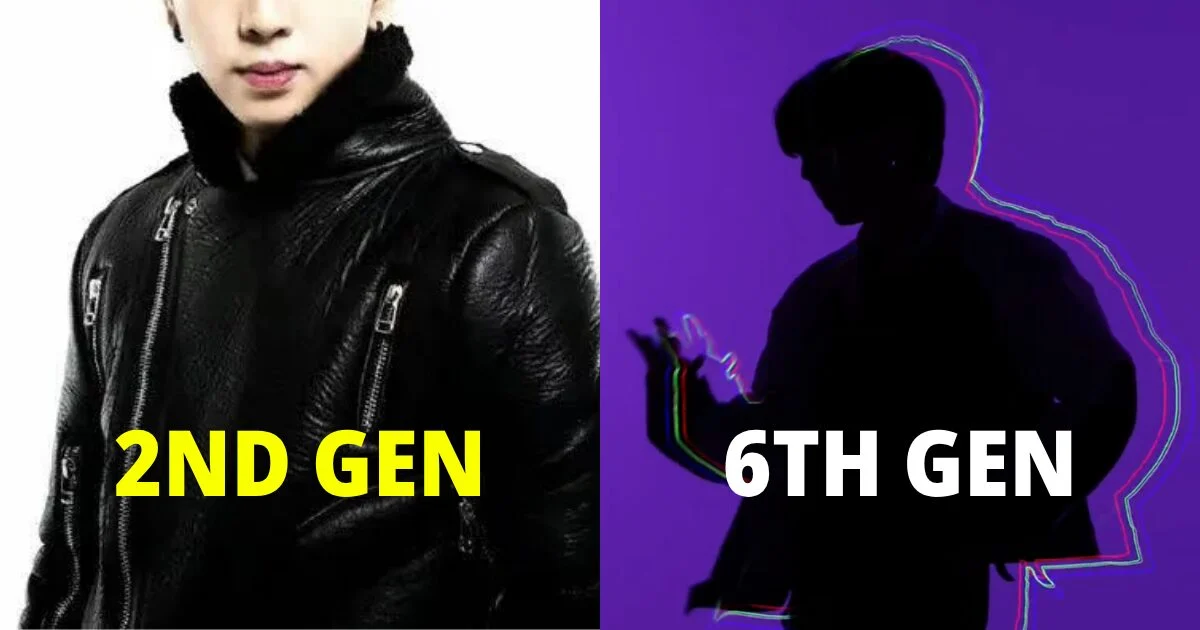
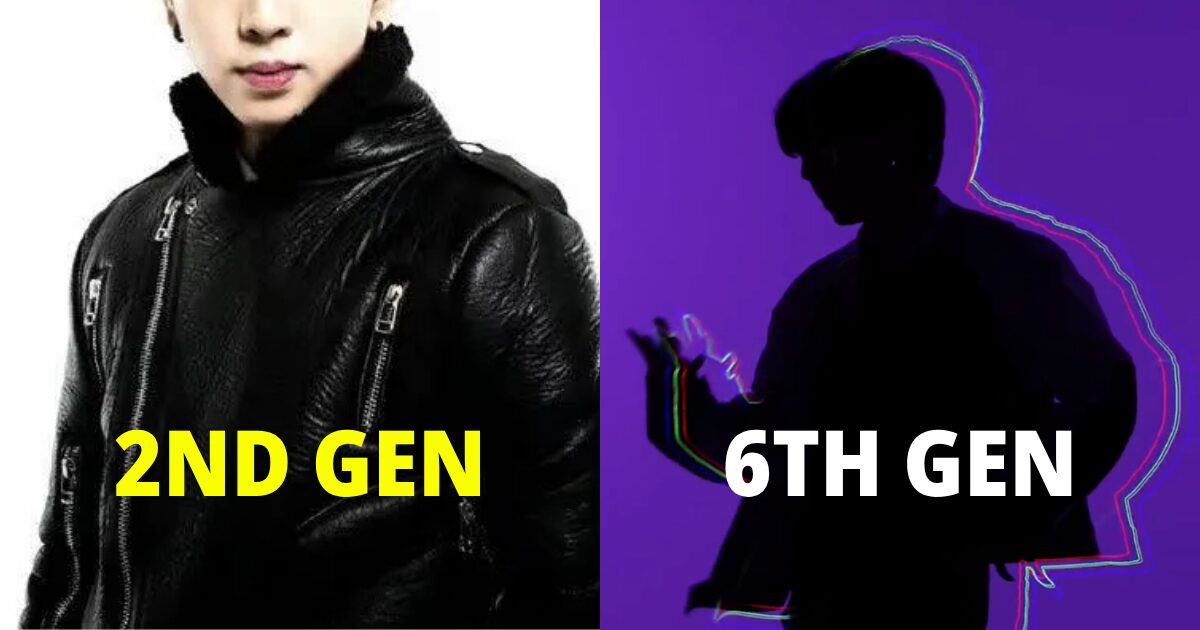
In the contemporary South Korean music industry, the concept of a "re-debut" has transitioned from a rare occurrence to a standardized career trajectory for many performers. Driven by the proliferation of survival audition programs and the volatility of small-to-mid-sized entertainment agencies, idols frequently seek secondary or tertiary opportunities to achieve commercial success. However, few individuals embody this tenacity as distinctly as the artist known as Sangwoo (born Kain), who is currently preparing for yet another debut after more than a decade of navigating the complex machinery of the K-Pop world. At 32 years old, Sangwoo’s career spans multiple "generations" of K-Pop, illustrating not only the personal resilience required to remain in the industry but also the evolving landscape of idol recruitment and retention.
The Genesis of a Decade-Long Career: 2013–2015
The narrative of Sangwoo’s professional journey began in 2013, a year characterized by the transition between the second and third generations of K-Pop. At this time, the industry was witnessing an explosion of boy groups following the global success of acts like BIGBANG and EXO. Sangwoo, then performing under the stage name Kain, was initially introduced to the public as a trainee for the group Pure Boy.
Pure Boy’s pre-debut period was marked by significant internal restructuring and frequent line-up changes. Although Kain participated in the group’s early promotional activities and was positioned as a potential member, he did not make the final cut for the official debut roster. This early setback, which often marks the end of a career for many trainees, served instead as the catalyst for his first official entry into the market. Later that same year, he successfully debuted as a member of the group BLAST. While BLAST entered a crowded market with high hopes, the group struggled to gain significant domestic traction and officially disbanded in 2015.
Navigating the "Nugu" Cycle: 2016–2018
The term "nugu," a Korean interrogative meaning "who," is frequently used by fans and industry observers to describe groups that fail to achieve mainstream recognition. Between 2016 and 2018, Sangwoo navigated this challenging "nugu" cycle, moving between various projects in an attempt to find a stable platform.
In 2016, he joined the existing boy group Underdog. Unlike his previous experience with BLAST, where he was a founding member, joining an established group required a different set of professional adjustments. However, his tenure with Underdog was relatively brief, lasting only until 2017. Following his departure, he joined another venture titled HI5. This project was marketed as a pre-debut boy group, but due to undisclosed financial or management issues—a common theme among smaller agencies—HI5 never reached an official debut.
During this period, the K-Pop industry was undergoing a massive shift. The success of Mnet’s Produce 101 series had begun to normalize the idea of "second chances," as viewers became invested in the stories of struggling idols. While Sangwoo did not appear on these specific programs, the cultural shift toward supporting veteran trainees may have provided the psychological and professional impetus to continue his pursuits despite the lack of immediate commercial returns.
The MUSTB Era and the Challenges of the Fourth Generation
Sangwoo’s most significant career milestone occurred in 2019 when he debuted as a member of MUSTB under the name Sangwoo. This era represented a professional rebranding and a shift toward more modern production values. MUSTB garnered a dedicated international following, particularly in Latin America and parts of Europe, regions that often provide a lifeline for groups that may not be top-tier performers on South Korean digital charts.

However, the group’s trajectory was hampered by unforeseen challenges. In April 2019, shortly after their debut, the group was involved in a serious car accident that resulted in the tragic death of their manager and injuries to several members. This event led to an indefinite hiatus and a period of recovery. Despite this trauma, MUSTB returned to activities, showcasing a level of perseverance that mirrored Sangwoo’s own career path. The group remained active through various releases and international tours until 2023, when they entered a period of temporary disbandment or indefinite hiatus as members explored individual paths.
2024–2026: The Transition to One A Day and Digital-First Marketing
As of August 2026, Sangwoo has re-emerged in the industry spotlight, signaling his intent to debut once again. This new venture, a group titled One A Day, is managed by Dao Entertainment. Interestingly, the foundations for this group appear to have been laid as far back as 2019, when Sangwoo was reportedly a pre-debut member of a project with a similar name.
The current strategy for One A Day reflects the broader industry shift toward social media-centric promotion. Rather than traditional appearances on music broadcast shows like M Countdown or Inkigayo, which require significant financial investment and agency influence, One A Day has focused its efforts on TikTok Lives and short-form content. This "digital-first" approach allows smaller agencies like Dao Entertainment to build a direct relationship with a global audience without the overhead costs of traditional media cycles.
At 32, Sangwoo is navigating an industry that has historically prioritized youth. However, the success of "older" idols in recent years—facilitated by the longevity of groups like SHINee and Super Junior, as well as the re-debuts of veterans in project groups—has expanded the acceptable age range for active performers.

Statistical Context: The Reality of K-Pop Longevity
To understand the significance of Sangwoo’s journey, one must look at the statistical landscape of the South Korean music industry. It is estimated that over 100 K-Pop groups debut annually, yet less than 5% achieve long-term financial viability. The average lifespan of a group from a small agency is often less than three years, frequently cut short by "trainee debt"—the costs of housing, training, and production that idols are often expected to repay from their earnings.
Sangwoo’s ability to transition through at least six different group iterations (Pure Boy, BLAST, Underdog, HI5, MUSTB, and One A Day) is statistically anomalous. His career highlights several key trends:
- Brand Flexibility: The ability to change stage names (from Kain to Sangwoo) and adapt to different group concepts is essential for longevity.
- The International Lifeline: Small-agency groups now rely almost exclusively on international fanbases, utilizing platforms like TikTok and Instagram to bypass domestic gatekeepers.
- Agency Volatility: The frequent movement of idols between agencies suggests a highly fragmented market where small companies often lack the capital for long-term development, leading to frequent project cancellations and re-groupings.
Industry Implications and the "Never Give Up" Narrative
The reaction to Sangwoo’s upcoming debut among the K-Pop community has been a mix of admiration and concern. On social media platforms, fans have dubbed him the personification of the "never give up" spirit. From a professional standpoint, his career serves as a case study in the "gig economy" of K-Pop, where performers operate more like independent contractors moving from project to project rather than permanent fixtures of a single label.
Analysts suggest that Sangwoo’s persistence may be indicative of a new era where "Idol" is viewed as a long-term professional craft rather than a short-term burst of youthful fame. As the global demand for K-Pop content continues to grow, there is a niche for veteran performers who possess the experience and stage presence that younger trainees may lack.

However, the shift toward TikTok-based activities for his latest debut also raises questions about the future of the idol format. If One A Day focuses primarily on live streaming rather than traditional album sales and performances, it could signal a pivot toward "Influencer-Idols," a hybrid model that prioritizes daily engagement over high-production musical releases.
Conclusion: A Legacy of Resilience
The story of Sangwoo is more than a list of debuts and disbandments; it is a reflection of the enduring appeal of the K-Pop dream. Across thirteen years, he has survived the collapse of groups, the evolution of digital platforms, and the physical and emotional tolls of the industry. As he prepares for his official activities with One A Day under Dao Entertainment, the industry will be watching to see if this latest chapter provides the lasting success that has eluded him since 2013.
Regardless of the commercial outcome, Sangwoo has already secured a unique place in K-Pop history. He stands as a testament to the fact that in an industry often criticized for its "disposable" nature, there are individuals whose passion for the stage transcends the typical boundaries of age and market trends. His journey remains a poignant reminder of the human element behind the polished veneer of the idol industry—a narrative defined by the relentless pursuit of a dream against the odds of a volatile market.

