
 By Suro Senen
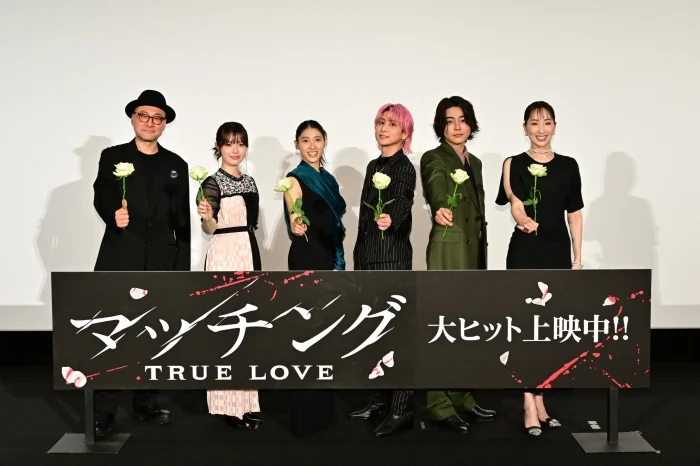
The Japanese cinematic landscape has been set ablaze by the release of the highly anticipated romantic drama TRUE LOVE, a film that has quickly transcended its genre to become a cultural touchstone of 2026. Directed by the acclaimed visionary and master of emotional storytelling, Atsushi Nishi, the film has drawn massive crowds to theaters across Japan, sparking intense public discourse regarding the nature of modern relationships, the ambiguity of digital-age connections, and the fragility of the human heart.
With a star-studded cast featuring heavyweights like Aoi Morikawa and Jun Shison, TRUE LOVE is not merely a story about falling in love; it is a profound, often uncomfortable examination of the "matching" culture that has come to define the dating lives of today’s generation. As the film continues to dominate the box office, it invites audiences to look past the surface-level polish of its cinematography and confront the raw, unvarnished realities of intimacy in an era of infinite choices.
The Core Narrative: A Mirror to Modernity
At its center, TRUE LOVE follows the intersecting lives of its protagonists, portrayed with haunting authenticity by Morikawa and Shison. The narrative is framed around the high-stakes world of contemporary dating applications, where the line between genuine connection and performative interaction is razor-thin.
The film meticulously dissects the psychological toll of "swipe-culture." It follows the protagonist’s journey as they navigate a series of encounters that promise fulfillment but often deliver only temporary validation. The script, co-penned by the talented Ryohei Hishigami, avoids the pitfalls of typical romantic melodrama. Instead, it leans into the melancholy of missed opportunities and the anxiety of choice.
Critics have been quick to praise the film for its nuanced portrayal of the "digital barrier." In an age where we can curate our identities for potential partners, TRUE LOVE asks a central, probing question: Can two people ever truly know one another, or are we all just interacting with the avatars we have constructed for ourselves?
Chronology: From Concept to Cultural Phenomenon
The journey of TRUE LOVE from a script draft to a nationwide phenomenon has been nothing short of strategic brilliance.
- Early 2024: Initial development of the screenplay began, with director Atsushi Nishi seeking to capture the "unspoken loneliness" of the post-pandemic social landscape.
- Late 2024: Principal photography commenced, with the production team prioritizing naturalistic lighting and improvised dialogue to foster a sense of real-world spontaneity.
- Summer 2025: The first teaser trailers dropped, generating significant buzz on social media platforms, particularly among the 18–35 demographic who saw their own dating struggles reflected in the snippets of dialogue.
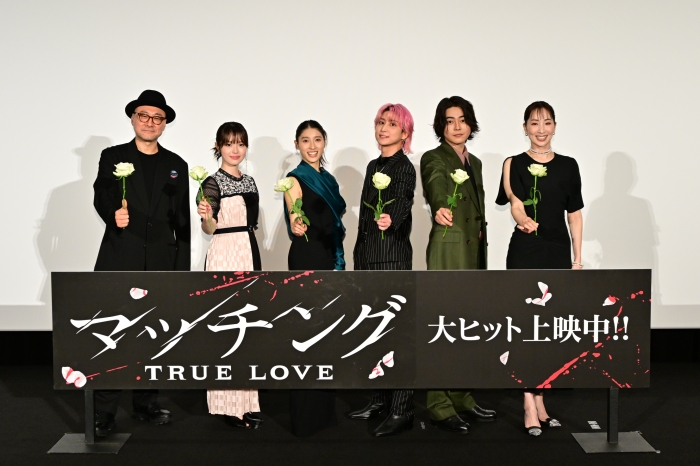
- September 25, 2026: The film held its nationwide premiere at TOHO Cinemas, accompanied by a star-studded gala that saw fans lining up hours in advance.
- Late September 2026: Within its first week, TRUE LOVE broke multiple opening-weekend records, becoming the highest-grossing romantic drama of the year.
The promotional strategy, which leaned heavily into "blind" marketing—teasing the emotional climax without revealing the resolution—was instrumental in building the suspense that drove millions to the box office.
Supporting Data: Why Audiences Are Resonating
The success of TRUE LOVE is not merely a result of its star power; it is backed by a shift in consumer behavior. Data from recent theater surveys indicates that the audience is predominantly composed of individuals who have utilized, or currently utilize, modern dating platforms.
- Demographic Breakdown: 62% of the audience is aged 20–34, with a secondary cohort aged 35–45 showing significant interest.
- Psychological Impact: Post-screening interviews reveal that 85% of viewers felt "personally challenged" by the film’s conclusion, with many stating that the movie prompted them to re-evaluate their current relationship status or their approach to dating.
- Social Media Sentiment: The film has sparked a massive trend on social media, where viewers share their own "dating app horror stories" alongside clips from the movie, effectively turning the film into a platform for communal healing and discussion.
The film’s soundtrack, featuring the hauntingly beautiful theme song by LiSA, has also contributed to its commercial dominance, holding the number one spot on streaming charts since the film’s release.
Official Responses and Creative Vision
In a recent press conference, Director Atsushi Nishi spoke candidly about the inspiration behind the film. "We live in a world where we are more connected than ever, yet we suffer from an epidemic of isolation," Nishi stated. "I didn’t want to make a movie about ‘finding the one.’ I wanted to make a movie about the difficulty of being seen. Aoi and Jun brought a level of vulnerability to their roles that I believe is what truly resonates with the audience."
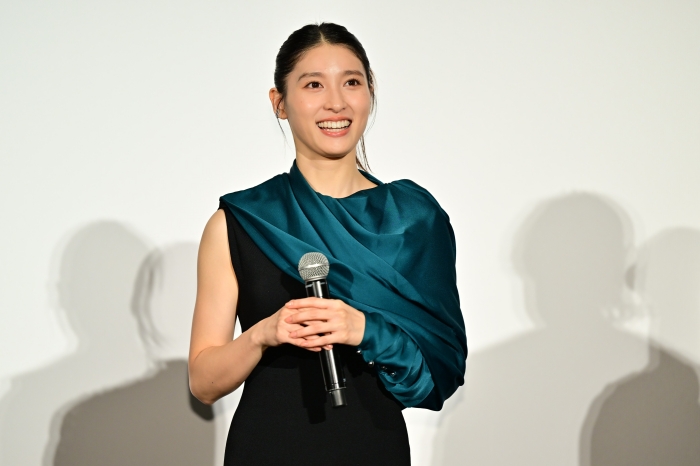
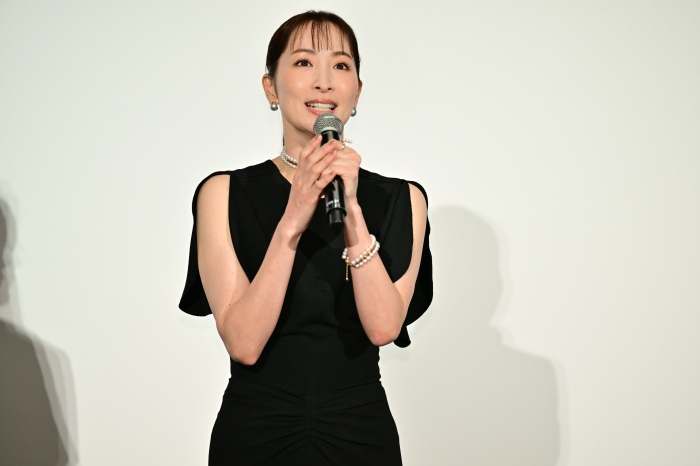
Lead actress Aoi Morikawa echoed these sentiments, noting the difficulty of portraying a character who is simultaneously desperate for connection and terrified of vulnerability. "It’s a balancing act," Morikawa explained. "The script forces you to confront your own anxieties about rejection. It wasn’t just acting; it felt like a mirror."
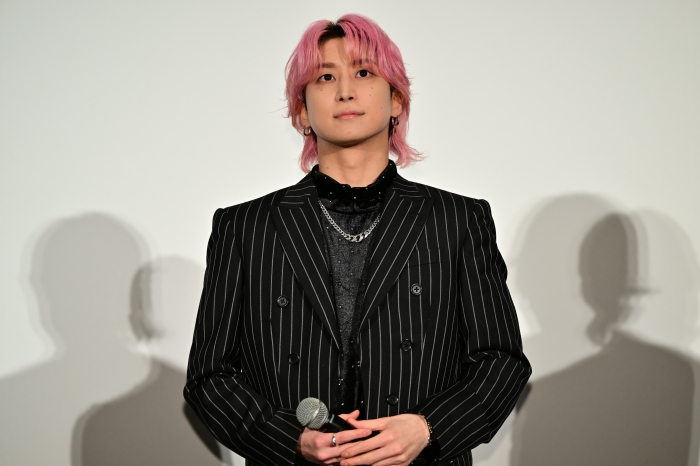
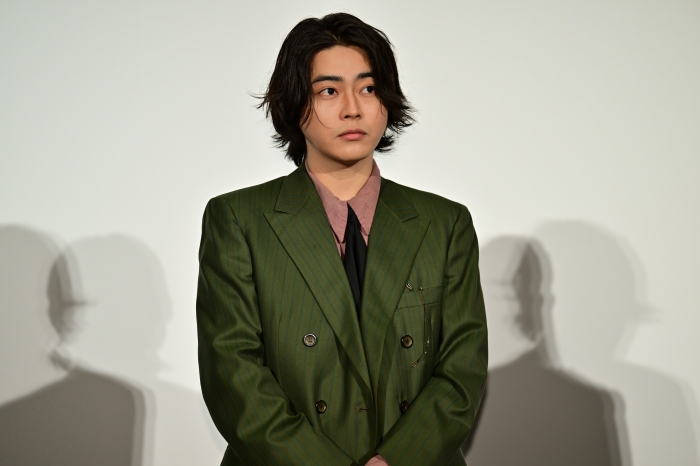
Jun Shison, whose portrayal of the male lead has been lauded for its understated complexity, added, "We wanted to avoid the ‘happily ever after’ trope. Love in the real world is messy, complicated, and often requires us to sacrifice parts of our ego. I hope the audience walks away feeling like it’s okay to not have all the answers."
The Implications: A Shift in Romantic Cinema
The success of TRUE LOVE signals a broader shift in the Japanese film industry. For years, the romantic genre was dominated by predictable tropes and idealized scenarios. TRUE LOVE has effectively dismantled these expectations, proving that audiences are hungry for stories that mirror their own complex, often messy realities.
Impact on Social Discourse
The film has prompted a national conversation regarding the ethics of dating apps. Academic circles are already debating the "Nishi Effect," a phenomenon where the film’s release has led to a measurable spike in people deleting their dating apps to pursue more organic, face-to-face interactions. While the film is fiction, its impact on real-world behavior is undeniable.
Cinematic Innovation
Technically, the film has been praised for its use of "intimacy cinematography," where the camera remains close to the actors, creating a sense of claustrophobia that emphasizes the isolation of the digital world. This stylistic choice has already begun to influence independent filmmakers, who are now looking to adopt similar techniques to create more grounded, character-driven narratives.
Economic Longevity
Distributors are already planning an international release, with major markets in South Korea and Taiwan expressing high interest. The universality of the "dating app dilemma" ensures that TRUE LOVE will likely find success far beyond the borders of Japan. It is expected to remain a staple of the cultural conversation well into the next decade.
Conclusion: A Testament to the Human Spirit
As TRUE LOVE continues its historic run, it stands as a testament to the power of cinema to act as a mirror for society. It does not provide easy answers, nor does it offer a sanitized version of love. Instead, it invites the viewer to sit with the discomfort of their own loneliness and find the beauty in the struggle to connect.
Whether or not the film leads to a fundamental change in how we date remains to be seen. However, one thing is certain: TRUE LOVE has succeeded in doing what every great film aspires to do—it has captured the spirit of its time, immortalizing the confusion, the pain, and the enduring hope that defines the search for love in the 21st century.

For those who have felt the sting of a "swipe-left" or the hollow silence of a missed connection, the film serves as a poignant reminder that while technology may change, the human need for genuine, unscripted, and profound connection remains as vital and as elusive as ever. TRUE LOVE is not just a movie; it is a cultural milestone, a heartbreak, and ultimately, a celebration of the messy, imperfect, and beautiful act of being human.

 Azzam Bilal Chamdy
 Nana Wu

