
 By Neng Nana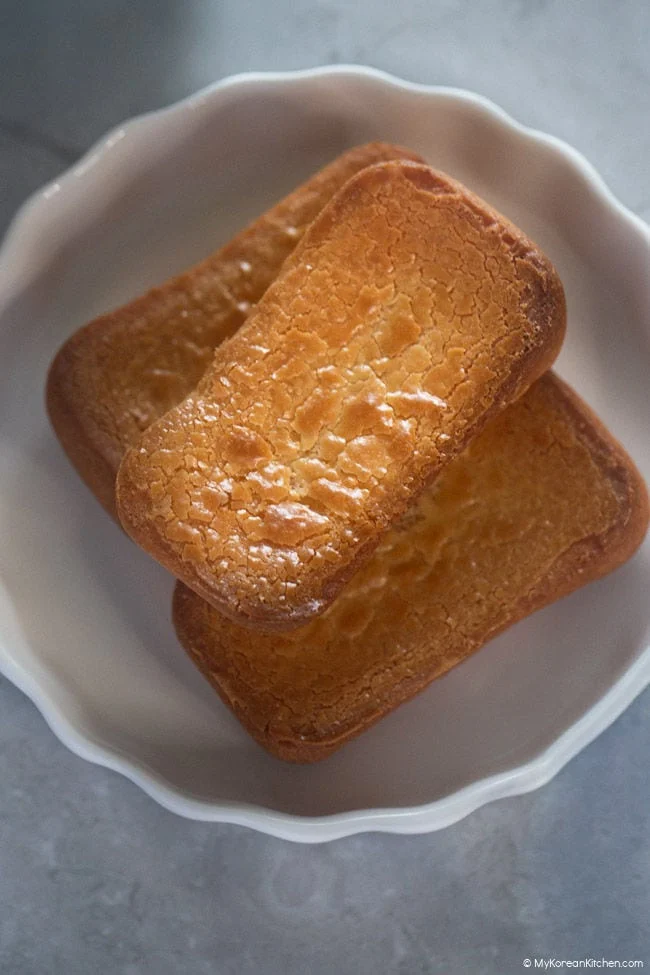
In the landscape of contemporary Korean desserts, few items have generated as much buzz as "Butter Tteok." Bridging the gap between the traditional, chewy aesthetic of Korean rice cakes and the indulgent, buttery profile of Western-style baked goods, this hybrid treat has become a hallmark of modern Seoul bakeries. Often characterized by a glistening golden-brown crust and a deeply satisfying, dense, and elastic center, the Butter Tteok offers a sensory experience that defies traditional categorization.
As the global appetite for Korean cuisine continues to expand—moving well beyond savory staples like kimchi and bibimbap—the spotlight has shifted toward the intricate world of Korean confections. The emergence of Butter Tteok represents a significant evolution in culinary fusion, reflecting a generation of bakers who are comfortable blending ancestral techniques with global flavor profiles.
Main Facts: Deconstructing the Butter Tteok
Butter Tteok is essentially a baked rice cake, a departure from the traditional steaming methods that define most Korean tteok (rice cakes). The primary composition includes glutinous rice flour, high-quality butter, milk, and eggs. Unlike traditional rice cakes, which are often prized for their subtle sweetness and plain, earthy profile, the Butter Tteok is designed to be decadent.
The physical architecture of the treat is its defining feature. When prepared correctly, the exterior undergoes a Maillard reaction, resulting in a crisp, biscuit-like crust reminiscent of a French financier or a dense, buttery cookie. Inside, however, the glutinous rice flour maintains the quintessential "chewy" texture—known in Korean as jjol-git-han—that is the hallmark of traditional rice cakes.
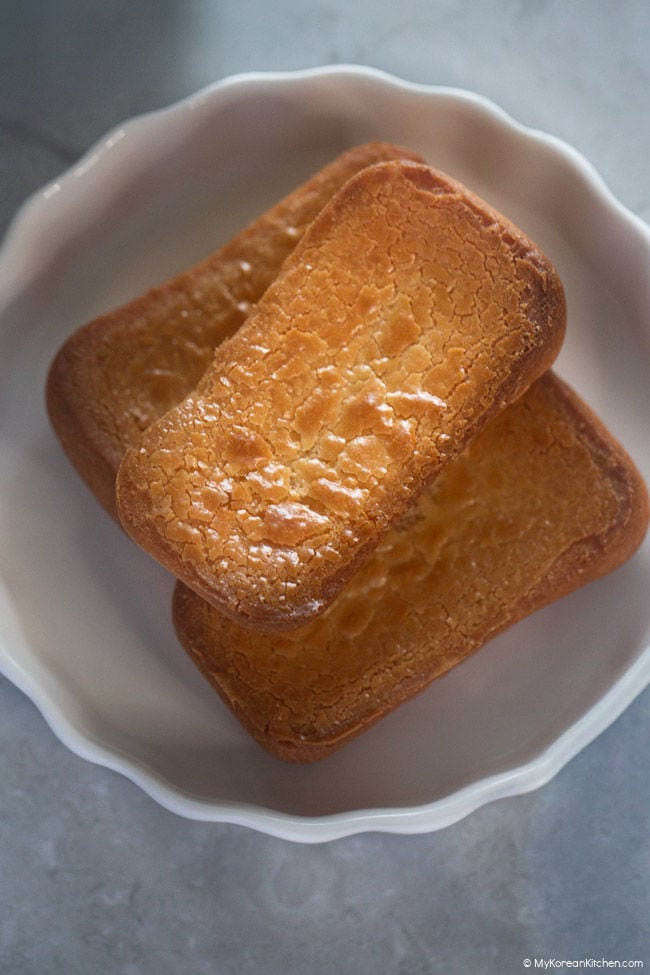
While currently a staple of the trendy "bakery-style" rice cake scene in Korea, the origins of this dessert are debated. Culinary historians and food bloggers have traced its lineage to similar butter-based rice cakes found in Shanghai, suggesting a regional cross-pollination of techniques that eventually gained traction in South Korea’s highly competitive and innovative dessert market.
A Chronology of Culinary Innovation
The trajectory of Butter Tteok from a niche experimentation to a widespread trend reflects the broader acceleration of Korean food culture.
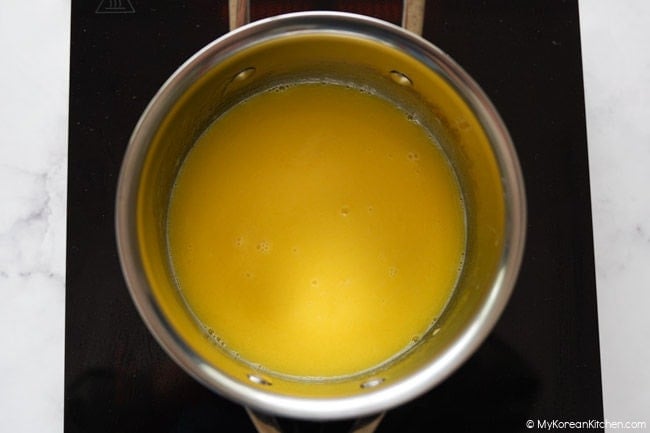
- The Pre-Modern Era: Traditional rice cakes were primarily steamed, using techniques passed down through generations. These cakes were typically served on special occasions, characterized by textures that were soft but lacked the fat-heavy, caramelized exterior of baked goods.
- The Fusion Period: As Korea’s cafe culture exploded in the early 2010s, there was an increased demand for "Western-style" snacks that could pair effectively with espresso-based beverages. This necessitated a shift in texture—from the delicate, moisture-heavy steamed cakes to something that could withstand the heat of an oven and provide a crunch.
- The Rise of the "Bakery Rice Cake": By the mid-2020s, specialized rice cake shops began appearing in districts like Hannam-dong and Seongsu-dong, pushing the boundaries of what tteok could be. Bakers began incorporating butter, vanilla, and various sweeteners, testing the structural limits of glutinous rice flour in metal bakeware.
- Refinement and Standardization: As the recipe hit the home-cooking mainstream, enthusiasts began the iterative process of testing, moving from silicone molds (which produced a softer, steamed-like texture) to metal pans (which delivered the desired crisp, caramelized crust).
Supporting Data and Technical Requirements
For those attempting to master this dessert, the technical nuances are paramount. The chemistry of the recipe relies heavily on the ratio of glutinous rice flour to fats.
The Chemistry of the Crust
The transition from a soft rice cake to a "Butter Tteok" requires precise thermal management. Research into home-baking trends indicates that the choice of bakeware is not merely an aesthetic preference but a functional necessity. A metal pan acts as a conductor, searing the exterior of the batter as it hits the oven’s heat, thereby creating the signature biscuit-like crust. Conversely, silicone, while convenient for removal, acts as an insulator, often resulting in a uniform softness that lacks the "snap" of a traditional bakery-style Butter Tteok.
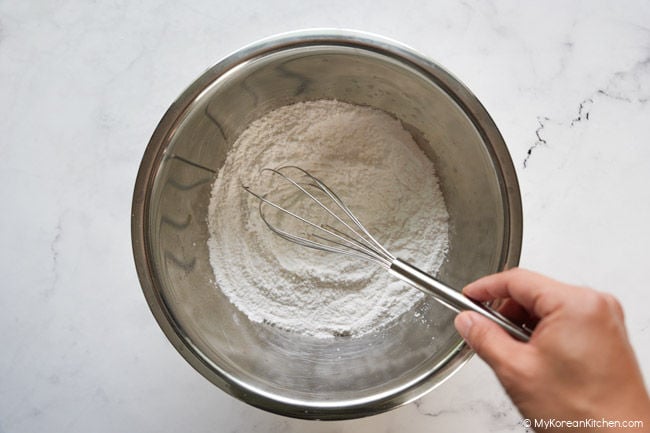
Temperature and Rest Intervals
A critical component often overlooked by novice bakers is the resting period. Like many starch-based baked goods, the internal structure of a rice cake continues to set long after it leaves the oven.
- Initial Cooling (0–15 minutes): The cake is too soft to handle; the moisture is unevenly distributed.
- Setting Phase (15 minutes – 2 hours): The starches undergo a process of retrogradation, which, in the case of glutinous rice, enhances the chewiness. The fats from the butter stabilize, creating a cohesive, tender crumb.
- Optimal Consumption: Most culinary experts agree that the two-hour mark represents the "golden window" where the flavor of the butter has fully infused the rice flour, and the structural integrity is at its peak.
Official Perspectives and Culinary Implications
While not a "traditional" Korean food in the historical sense, the Butter Tteok is increasingly accepted by the culinary establishment as a legitimate evolution of the form. Professional pastry chefs in Seoul have noted that the popularity of this treat signals a move away from the "too-sweet" trend of the early 2000s toward a preference for textures—specifically, the "mochi-like" chewiness that provides a more tactile eating experience.
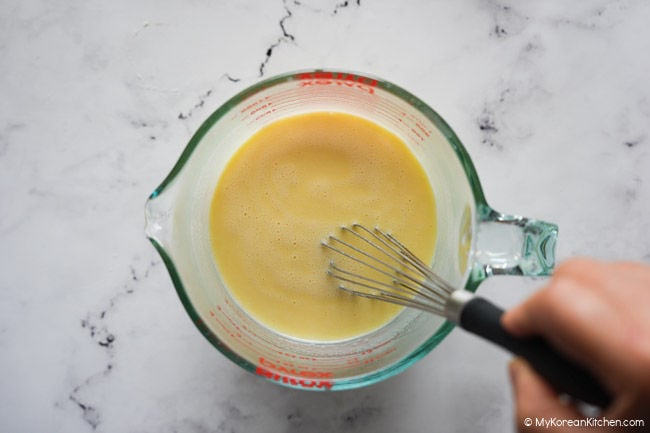
From a nutritional standpoint, the shift toward a butter-based cake increases the caloric density compared to traditional, low-fat steamed rice cakes. A typical portion contains roughly 219 calories, with a focus on fats and simple carbohydrates. This places it firmly in the category of an "indulgent treat" rather than a daily staple, aligning it more closely with Western tea-time pastries.
The Broader Implications: Where Does Tteok Go From Here?
The rise of the Butter Tteok serves as a microcosm for the globalization of Korean cuisine. It proves that the "Korean Wave" is not limited to savory flavors or pop culture; it extends into the very fabric of baking. By deconstructing the traditional rice cake and applying modern baking techniques, Korean bakers have effectively created a new category of dessert that is accessible to international palates while remaining deeply rooted in the Korean love for chewy, rice-based textures.
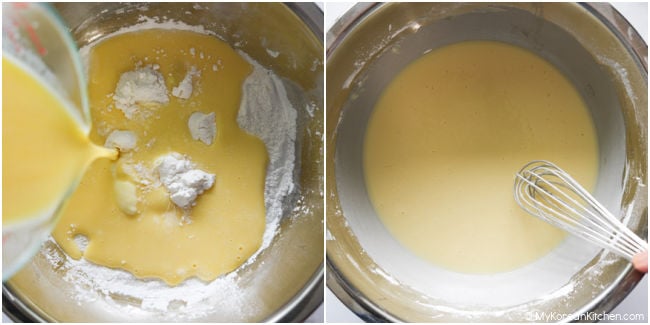
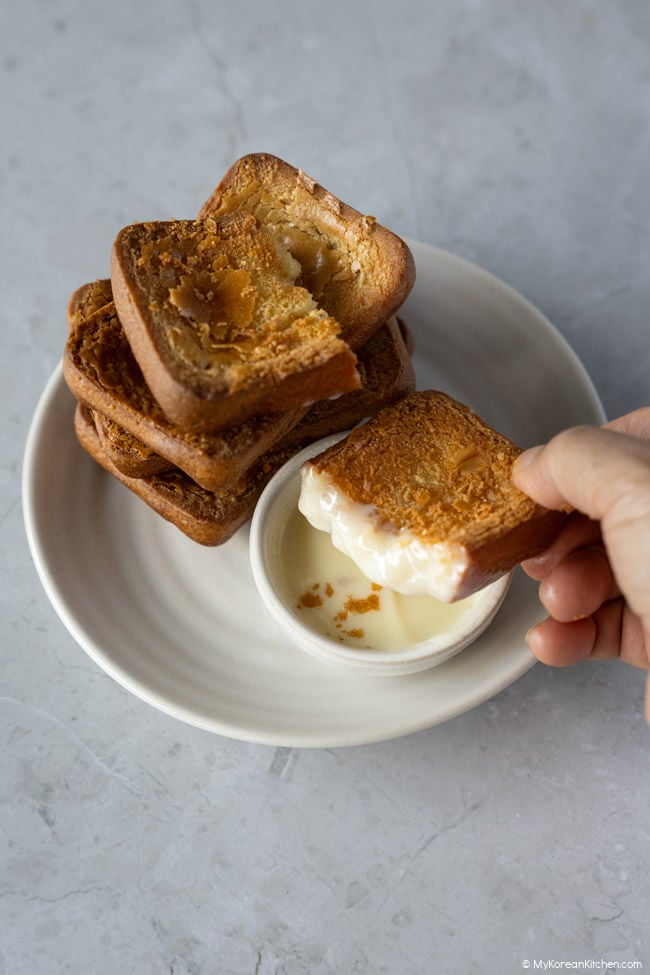
Furthermore, the emphasis on reheating techniques—such as utilizing an air fryer to reclaim the crispiness of the crust—highlights how home cooks are adapting these professional methods for domestic use. The ability to restore a "fresh-from-the-oven" texture to a day-old piece of Butter Tteok has turned it into a highly practical snack for modern, busy households.
As we look to the future, the Butter Tteok stands as a testament to the versatility of glutinous rice. Whether it is served alongside a strong cup of black coffee or enjoyed as a standalone snack with a drizzle of condensed milk, this treat has earned its place in the modern pantry. It invites a re-evaluation of what a rice cake can be: not just a relic of the past, but a dynamic, evolving canvas for flavor, texture, and innovation.
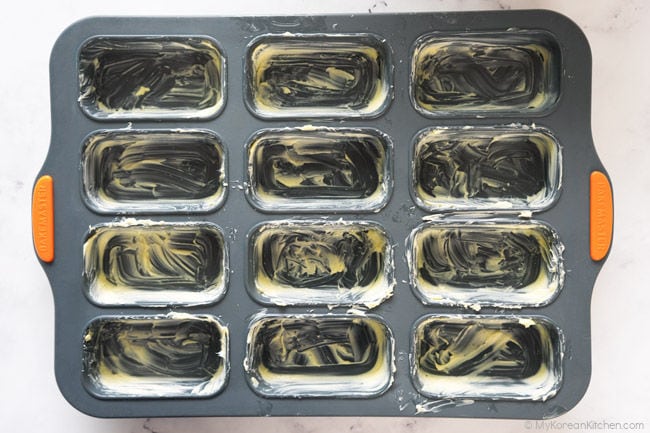
Ultimately, the Butter Tteok is more than just a passing trend. It is a bridge between worlds, demonstrating that the future of traditional food lies in the willingness to experiment, to innovate, and to occasionally break the rules of tradition in pursuit of the perfect, chewy, buttery bite.
 Raul Delapena Setiawan
  Asep Darmawan
  Nana Wu
