
 By Jia Lissa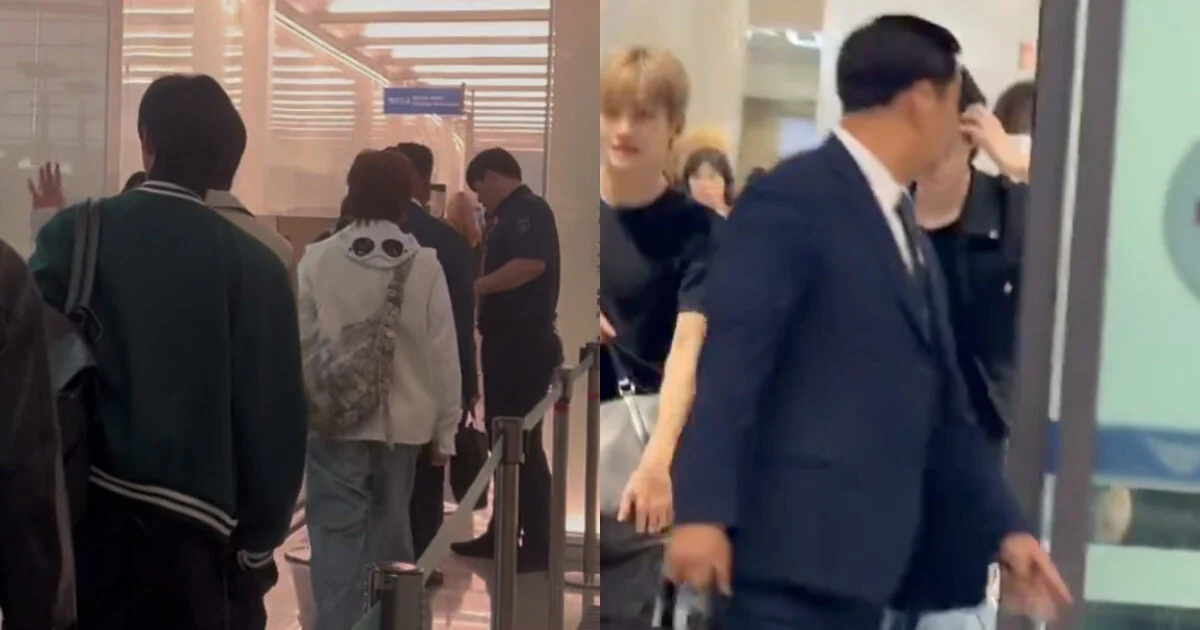
The K-pop industry is once again under intense scrutiny following a series of incidents involving the security detail for the rising boy group TWS, a rookie ensemble under Pledis Entertainment. On August 26, 2026, multiple video clips began circulating across social media platforms, specifically X (formerly Twitter) and various South Korean online communities, depicting what many have characterized as "excessive" and "rude" behavior by the group’s private security personnel. The footage, which captures interactions between the guards, ordinary citizens, and fans at an undisclosed international airport, has ignited a fierce debate regarding the limits of private security authority in public spaces and the growing trend of "over-protection" within the Korean entertainment sector.
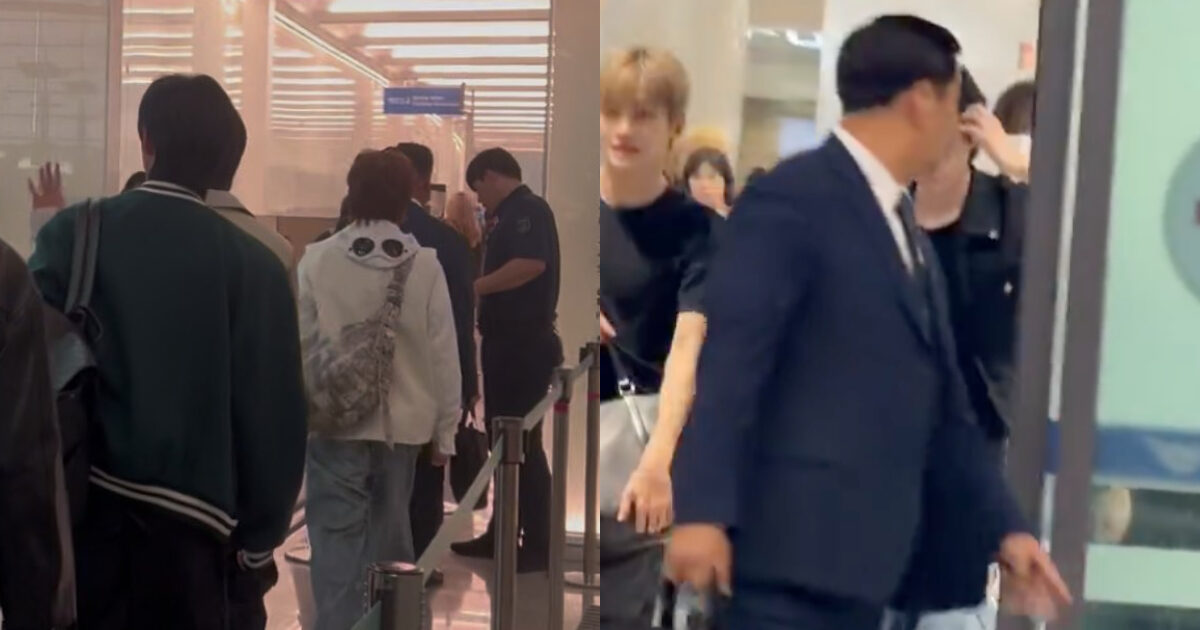
The controversy primarily centers on two distinct events captured in the viral footage. In the first instance, a middle-aged male citizen was seen attempting to take a selfie in a public concourse of the airport. As the members of TWS walked past the individual, a security guard abruptly intervened, reaching out to physically cover the man’s camera lens with his hand. The citizen later shared his confusion online, stating that he had no prior knowledge of the idol group and was simply documenting his own travels when the incident occurred. The second, and perhaps more legally concerning, incident involved audio recordings of a security guard shouting at fans and passengers to "take their passports," an instruction that many legal experts and netizens have labeled as an overreach of power and a potential violation of civil rights.
Chronology of the Incident and Viral Spread
The events unfolded on August 26, 2026, as TWS was transiting through the airport for an overseas schedule. While airports are traditional hubs for "airport fashion" photography and fan gatherings, the atmosphere turned hostile when the security team began implementing aggressive crowd control measures.
By the afternoon of August 26, the first video clip was uploaded to X by an account that appeared to belong to a bystander. The caption read, "Their attitude toward ordinary citizens is no joke," and showed the moment the security guard blocked the man’s selfie. Within hours, the post garnered millions of views and thousands of retweets. Shortly thereafter, a second set of videos emerged, capturing the verbal altercations. One specific clip, which includes a guard yelling, "Take their passports!" went viral among the TWS fandom and general K-pop community, leading to a massive wave of criticism directed at both the security firm and Pledis Entertainment.
By the evening, the hashtag #TWS_Security and related terms were trending in South Korea. Netizens began compiling past instances of similar behavior, suggesting a pattern of aggressive tactics used by the group’s staff. The speed at which the news spread forced a conversation about the ethical responsibilities of agencies when their hired contractors interact with the general public.
Public Outcry and Detailed Reactions
The reaction from the public has been overwhelmingly negative, with many criticizing the "celebrity elitism" that seems to pervade these security protocols. One netizen, whose post was widely shared, expressed anger on behalf of the middle-aged man whose selfie was interrupted: "I would have been furious if that happened to my family. What right does a security guard have to touch a stranger’s phone in a public place? TWS didn’t rent out the entire airport."
Another significant point of contention was the perceived lack of discernment by the security team. Commenters noted that the man taking the selfie did not appear to be a "sasaeng" (an obsessive or stalking fan) or even a professional fan-site photographer. The indiscriminate nature of the security’s aggression—targeting a citizen who was clearly not part of the idol-following crowd—has been cited as evidence of a systemic issue in how these teams are trained.
The threat to "take passports" has raised even more serious concerns. In South Korea, as in most jurisdictions, a passport is a government-issued document, and private citizens or security guards have no legal authority to seize or demand them from others without specific legal grounds, such as those held by customs or law enforcement officers. Fans who were present at the scene expressed shock, with one attendee posting, "We are also passengers who paid for our tickets. To be threatened with the seizure of our passports by a private security guard is terrifying and illegal."
The Context of "Over-Protection" in the K-pop Industry
This incident involving TWS is not an isolated case but rather part of a growing trend that the Korean media has dubbed "over-protection" (gwaing-gyeongho). Over the past several years, various K-pop groups and actors have faced backlash for the actions of their security teams. Notable previous incidents include:
- The Byeon Woo-seok Incident: Earlier in 2024, the security team for actor Byeon Woo-seok faced a police investigation after they were caught on camera using flashlights to blind passengers in an airport lounge and checking the boarding passes of citizens without authorization.
- NCT and BoyNextDoor: Security for these groups has also faced criticism in the past for physically pushing fans, sometimes resulting in injuries.
- General Airport Chaos: The culture of "airport arrivals," where hundreds of fans gather in tight spaces, often creates a high-stress environment. However, critics argue that the solution should be better logistics and cooperation with airport police, rather than aggressive physical intervention by private contractors.
Industry analysts suggest that agencies often hire third-party security firms that prioritize the physical "shielding" of the artist at any cost, sometimes disregarding the legal rights of bystanders. This creates a PR nightmare for the artists themselves, who are often seen in the footage looking uncomfortable or unaware of the extent of the guards’ actions.
Legal and Ethical Implications of Security Conduct
From a legal standpoint, the actions of the TWS security team occupy a precarious position. In South Korea, the "Right to Portrait" (the right to one’s own image) is taken seriously, but so is the right of individuals to use public spaces without harassment.
- Physical Interference: A security guard covering a citizen’s camera can be viewed as an interference with personal property or even a minor form of assault if physical contact is made with the person. Since the airport is a public space, celebrities have a reduced expectation of privacy, and bystanders generally have the right to take photos of themselves, even if a celebrity happens to be in the background.
- Seizure of Documents: The threat to take passports is the most legally fraught aspect of the controversy. Private security guards do not possess the "police power" required to demand identification or seize travel documents. Such threats could potentially lead to charges of intimidation or coercion under the South Korean Penal Code.
- Corporate Liability: Pledis Entertainment, as the hiring entity, may be held vicariously liable for the actions of their contractors. If a citizen were to file a civil lawsuit for damages or emotional distress, the agency would likely be the primary target of the litigation.
Broader Impact on TWS and Pledis Entertainment
TWS, who debuted in early 2024, has been marketed with a "bright and youthful" image, often referred to as "Boyhood Pop." Their hit song "Plot Twist" solidified them as one of the most promising rookie groups of the year. However, controversies of this nature can tarnish a group’s brand, especially when the behavior of their staff contradicts the "friendly" image the idols project.
While Pledis Entertainment has yet to issue a comprehensive formal apology regarding this specific August 26 incident at the time of reporting, the mounting pressure from the public usually necessitates a response. In similar past cases, agencies have terminated contracts with security firms or issued public apologies promising to retrain staff.
The incident also highlights the "Airport Dilemma" for K-pop labels. Agencies often announce flight schedules indirectly to ensure a crowd of fans and photographers is present to create "buzz" and capture "airport fashion" shots, which serve as free marketing. However, when the resulting crowd becomes unmanageable, the security measures used to control the situation often lead to the very controversies seen here.
Industry Recommendations and Future Outlook
In light of the TWS controversy, industry experts are calling for a standardized code of conduct for private security firms working with celebrities. Recommendations include:
- Enhanced Training: Security personnel should be trained in "de-escalation" rather than "physical confrontation."
- Clear Boundaries: Establishing a clear understanding that private security has no jurisdiction over ordinary citizens in public spaces.
- Logistical Shifts: Encouraging groups to use VIP exits or more discreet travel arrangements when possible to avoid the "spectacle" of the airport arrival, thereby reducing the need for aggressive crowd control.
- Accountability: Agencies must take proactive steps to monitor the behavior of their staff and contractors, ensuring that the safety of the artist does not come at the expense of public dignity.
The TWS incident serves as a stark reminder that in the age of social media, every interaction—no matter how brief—is subject to public record. For the K-pop industry to maintain its global prestige, it must balance the very real need for artist safety with a respect for the general public and the laws governing the spaces they inhabit. As the clips continue to circulate, the eyes of the public remain on Pledis Entertainment to see how they will address these allegations of misconduct and what steps they will take to prevent a recurrence.

