
 By Iffa Jayyana

Main Facts: A Breach of National Security
In a landmark ruling that underscores the growing intersection of cybercrime and geopolitical sanctions evasion, the Seoul Central District Court has handed down prison sentences to three individuals convicted of collaborating with North Korean IT specialists. The defendants were found guilty of orchestrating the development and maintenance of 16 illicit online gambling websites, a venture that generated an estimated $5.2 million for the Democratic People’s Republic of Korea (DPRK).
The primary defendant, whose identity remains under strict judicial protection, received a four-year prison term. The court found this individual guilty of violating South Korea’s stringent National Security Act and managing an illegal gambling operation. As part of the punitive measures, the court has imposed a lifetime ban on the individual serving as a corporate director, auditor, or public official. Two accomplices received three-year prison sentences for their instrumental roles in the scheme, which involved laundering proceeds and providing technical infrastructure for the North Korean-managed platforms.
The case, which highlights the sophisticated nature of DPRK "IT smuggling," reveals how state-backed actors penetrate international financial systems by leveraging the technical expertise of overseas workers to generate hard currency—capital that international observers believe is funneled directly into Pyongyang’s nuclear weapons and ballistic missile programs.
Chronology: The Evolution of the Illicit Network
The operation was not a singular event but a calculated, multi-year campaign that exploited the digital anonymity of the gambling industry.
- Initial Recruitment (2020–2021): The defendants established contact with North Korean IT workers operating in third-party countries. Using encrypted communication channels, the South Korean intermediaries negotiated the development of custom-coded gambling platforms tailored for specific demographics.
- The Development Phase: Between 2021 and 2023, the syndicate successfully launched 16 distinct gambling portals. These sites were designed to mirror legitimate platforms, using complex algorithms to lure users while masking the underlying administrative control held by North Korean operatives.
- Infrastructure and Laundering: To bypass international banking sanctions, the defendants provided the North Korean workers with South Korean bank accounts, digital assets, and stolen or synthetic identities. This allowed the $5.2 million in revenue to be funneled back to Pyongyang through a series of "money mule" accounts and offshore crypto-exchanges.
- The Crackdown (Late 2023): Intelligence gathered by the National Intelligence Service (NIS) of South Korea tracked anomalous financial flows that pointed toward servers linked to known North Korean cyber-worker hubs.
- The Verdict (February 2024): Following an intensive investigation by the Seoul Central District Prosecutors’ Office, the court issued the guilty verdicts, marking a significant victory for South Korean authorities in their efforts to disrupt the DPRK’s cyber-financial pipeline.
Supporting Data: The Scale of the Cyber-Economy
The $5.2 million figure cited in the court proceedings is merely the tip of the iceberg. According to a recent report by the UN Panel of Experts, the DPRK generates hundreds of millions of dollars annually through similar cyber-enabled activities.
Key Metrics of the Operation:
- Web Presence: 16 distinct gambling platforms identified, each serving thousands of users.
- Monetary Flow: $5.2 million in total revenue documented during the judicial audit.
- Technical Sophistication: The sites utilized advanced encryption and VPN-hopping to evade detection by South Korean cybersecurity firewalls.
- Sanctions Evasion: The scheme relied on the misuse of "identity fronting," where South Korean nationals rented their personal information to the hackers to facilitate account verification on various exchanges.
The court’s findings align with broader intelligence assessments that North Korea dispatches thousands of IT workers to countries in Southeast Asia, Eastern Europe, and Africa. These workers often pose as legitimate software developers for freelance platforms, only to be forced to surrender the vast majority of their earnings to the state.
Official Responses and Judicial Stance
The Seoul Central District Court’s decision reflects a hardening stance against those who facilitate DPRK activities from within South Korea. By invoking the National Security Act—a law traditionally reserved for espionage or direct assistance to the North Korean regime—the judiciary is signaling that cyber-collaboration is now treated as a direct threat to the safety and sovereignty of the Republic of Korea.
In a statement following the sentencing, a court spokesperson emphasized that the defendants’ actions were "not merely a financial crime but a betrayal of national security that bolstered the regime’s ability to bypass global sanctions."
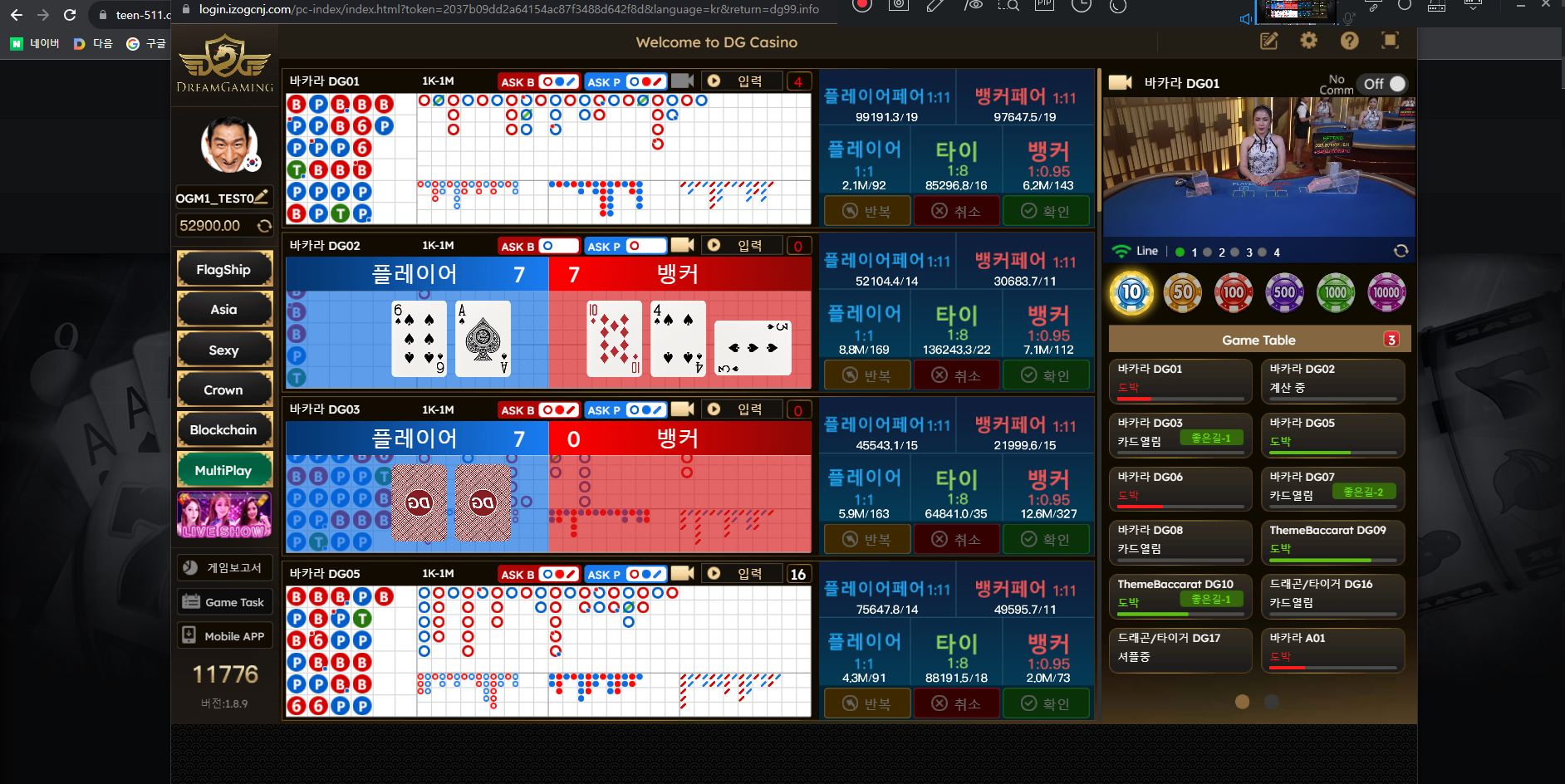
The National Intelligence Service (NIS) also released a rare public briefing alongside the court ruling. The NIS provided visual evidence of the gambling sites, noting that these platforms are often embedded with malware designed to scrape data from users’ devices. The NIS warned that the DPRK is increasingly using "gamification" as a front for large-scale data harvesting and cryptocurrency theft, urging the public to be vigilant against suspicious online betting portals.
Implications: The Geopolitical Battlefield
The conviction of these three individuals has significant implications for global cybersecurity and international policy.
1. The Weaponization of the Gig Economy
The case illustrates how North Korea has effectively weaponized the global gig economy. By infiltrating platforms like Upwork, Freelancer, and GitHub, North Korean operatives are not just performing legitimate coding tasks; they are building a massive, shadow digital economy. The Seoul case serves as a warning to global companies to perform enhanced due diligence on remote workers.
2. The Crypto-Currency Conundrum
The involvement of digital assets in this case highlights the difficulty of regulating the flow of funds. While traditional banking systems have strict AML (Anti-Money Laundering) protocols, the intersection of gambling sites and cryptocurrency wallets remains a "blind spot" for many regulators. The sentencing suggests that South Korea is moving toward stricter oversight of crypto-exchanges and peer-to-peer transaction platforms.
3. A Precedent for Future Prosecution
Legal experts suggest that this case provides a blueprint for future prosecutions. By successfully proving the link between the gambling operation and the DPRK state, prosecutors have lowered the evidentiary bar for future cases involving "indirect" support of the North. This will likely lead to more aggressive investigations into local collaborators who provide logistical support to foreign cyber-actors.
4. Regional Security and Deterrence
As North Korea continues to test nuclear-capable missiles, the role of cyber-revenue in funding these tests cannot be overstated. By choking off these revenue streams, the South Korean government is attempting a "financial containment" strategy. However, as the defendants’ ability to operate for years demonstrates, the network is resilient and constantly evolving.
Conclusion: The Road Ahead
The four-year and three-year sentences serve as a deterrent, but they also expose the vulnerabilities inherent in an increasingly interconnected global digital environment. As long as there is demand for online gambling and a lack of stringent identity verification across international borders, the DPRK will continue to find willing—or coerced—partners to manage its digital storefronts.
The South Korean government, alongside international partners, is now expected to push for greater global cooperation in identifying and dismantling these networks. The Seoul Central District Court’s ruling is a definitive step in this direction, sending a clear message: aiding the DPRK’s cyber-empire is a high-stakes crime with long-term consequences. As the digital landscape continues to evolve, the challenge for Seoul will be to maintain this vigilance without stifling the legitimate digital innovation that sustains its own economy.
For now, the three individuals behind bars represent a small, yet significant, disruption to a vast, shadowy machine that shows no signs of slowing down. The case serves as a stark reminder that in the 21st century, national security is as much about the code written in a basement as it is about the missiles fired from a launchpad.



 Suro Senen
 Asro
 Lina Hope

