
 By Neng Nana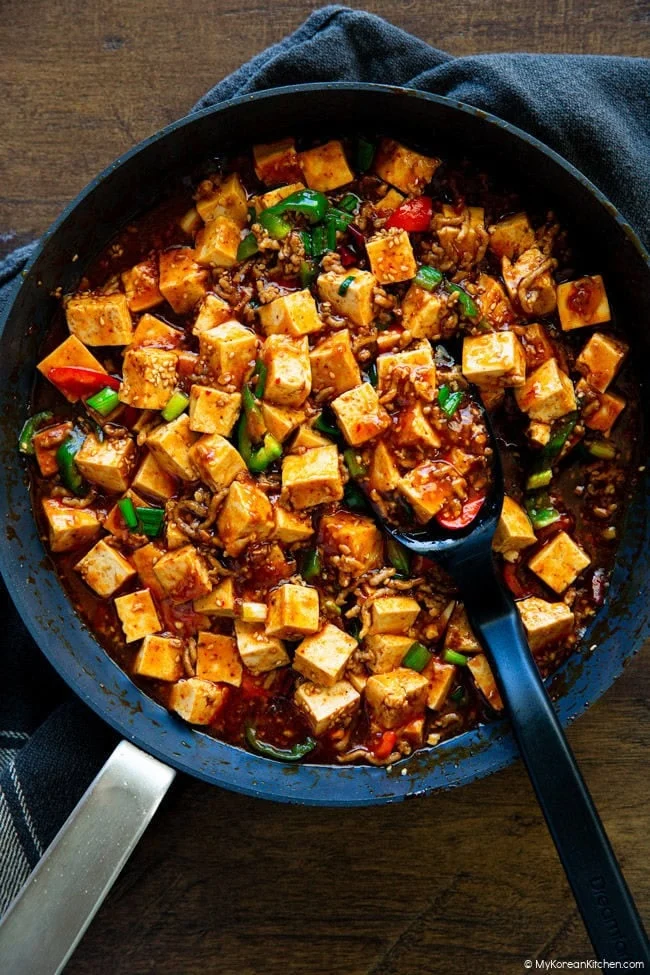
In the world of culinary fusion, few dishes bridge the gap between tradition and innovation as effectively as this Korean-style take on Mapo Tofu. While the original Sichuan dish is globally revered for its aggressive, numbing spice and silky tofu, this interpretation invites home cooks into a different realm of comfort. By swapping traditional aromatics for the deep, fermented complexity of Korean pantry staples, this recipe offers a sophisticated, umami-rich experience that transforms a familiar classic into a new household favorite.
Main Facts: The Anatomy of a Korean Twist
At its core, Mapo Tofu is a masterclass in texture—the contrast between soft, delicate tofu and the slightly coarse, savory bite of ground meat. However, the Korean-style iteration pivots away from the signature "mala" (numbing) sensation of Sichuan peppercorns, opting instead for a profile built on depth and warmth.
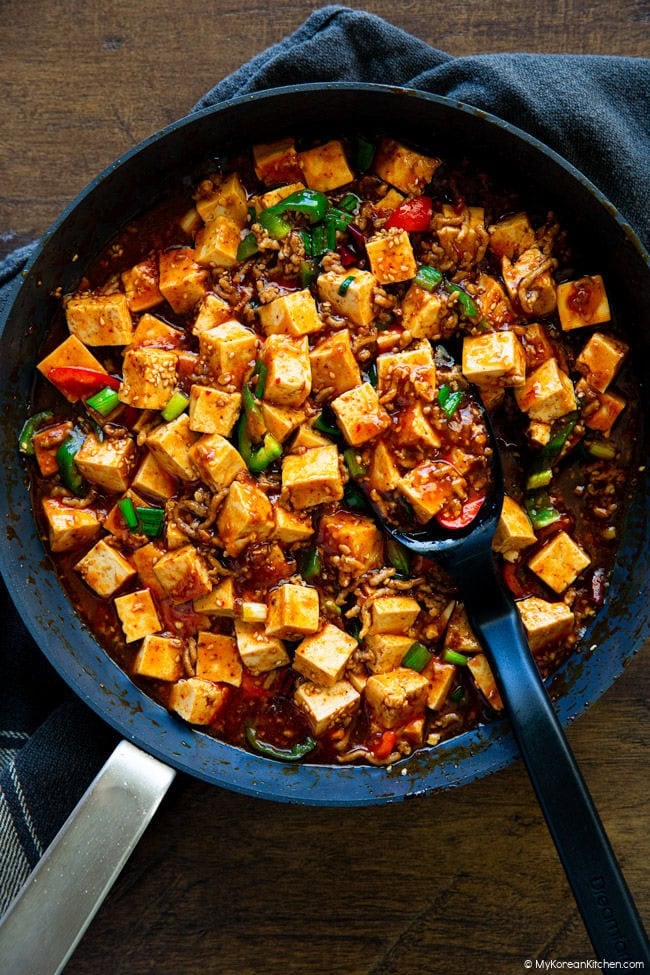
The "secret" behind this recipe lies in its foundational ingredients:
- Ssamjang: This thick, spicy, and savory fermented soybean paste serves as the backbone of the dish. It provides a nutty depth that standard chili bean pastes lack, grounding the dish in a rich, earthy flavor.
- Anchovy Stock & Fish Sauce: By utilizing Korean anchovy stock rather than water or chicken broth, the dish achieves a natural, ocean-inspired umami that lingers on the palate. The addition of a splash of anchovy fish sauce further heightens the savory layers, creating a finish that is both complex and deeply satisfying.
- Korean Chili Oil (Gochugireum): The house-made chili oil, infused with onion and garlic, provides a clean, aromatic heat that carries the sauce without the overwhelming, tongue-numbing intensity of Sichuan peppercorns.
Chronology: A Step-by-Step Culinary Journey
Crafting this dish requires patience and precision, particularly in the layering of flavors. The process is broken down into deliberate phases to ensure the final result is balanced.
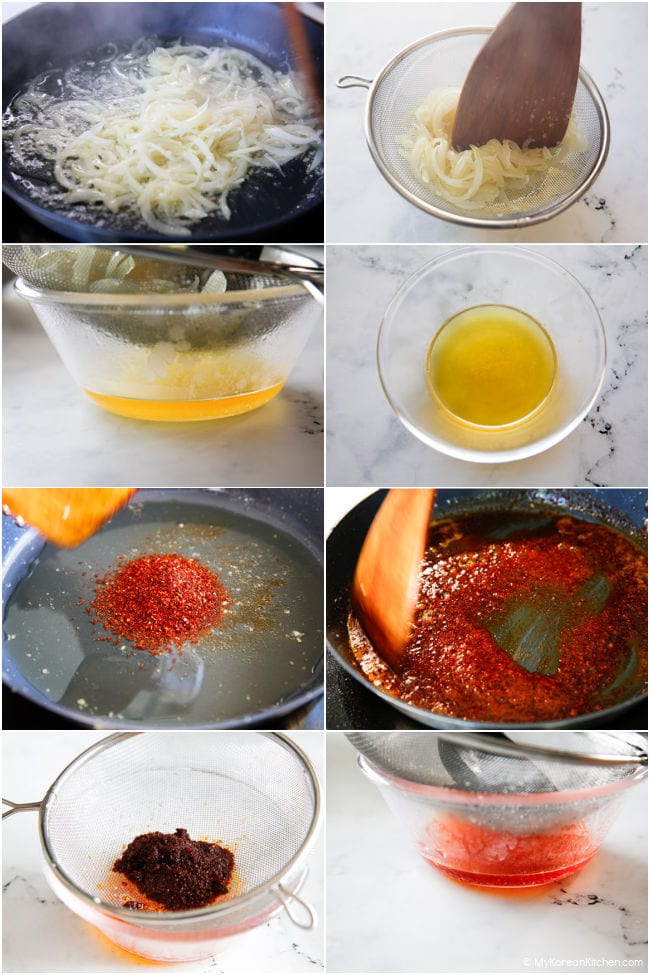
1. The Foundation of Aromatics
The process begins with the creation of a custom chili oil. By slow-frying onions and garlic in cooking oil, the cook creates a fragrant base. This oil is then used to bloom the chili flakes. This step is critical; it extracts the color and the essential oils of the peppers, creating a vibrant, sunset-hued oil that serves as the heart of the sauce.
2. Preparing the Tofu
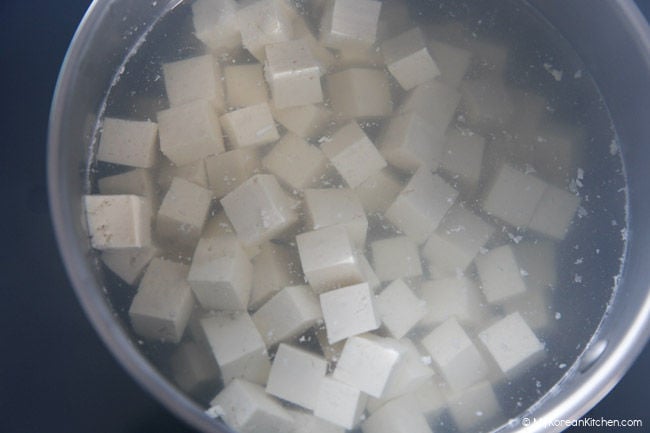
To achieve the perfect texture, the tofu is blanched in salted water for approximately one minute. This simple technique, often overlooked by home cooks, does two things: it removes the "raw" bean flavor of the tofu and firms up the outer structure, ensuring the cubes remain intact during the final stir-fry.
3. Searing the Protein
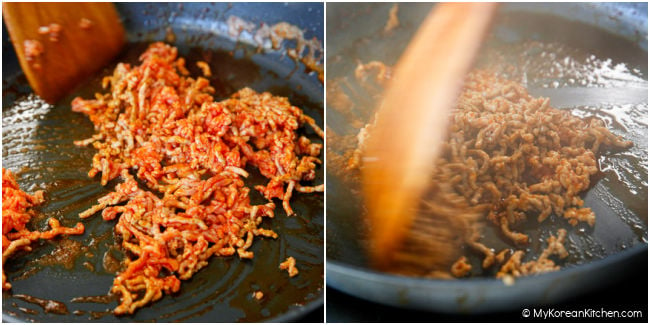
The minced pork is browned in a portion of the freshly prepared chili oil. This step is essential for Maillard reaction, where the sugars and amino acids in the meat create a complex flavor profile. Breaking the meat into small, distinct pieces allows it to soak up the sauce later.
4. The Simmer and Binding
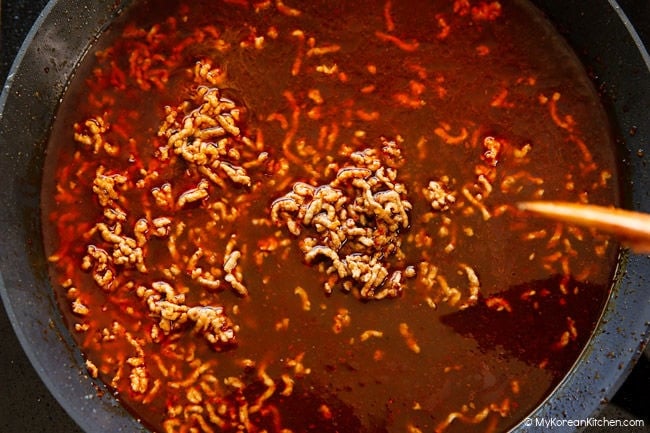
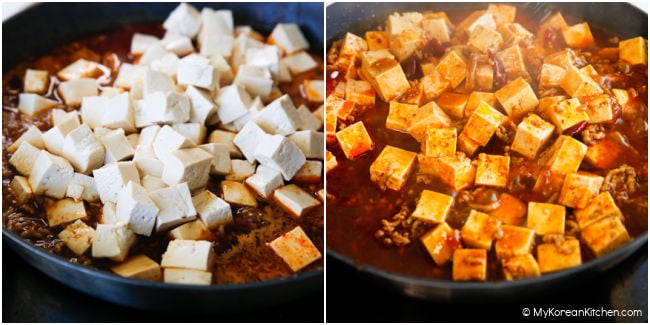
Once the pork is browned, the sauce—a blend of ssamjang, soy, and aromatics—is introduced. After the tofu is added, a starch slurry (typically cornstarch or potato starch) is poured in. This is the "binding" phase, where the sauce thickens to a glossy, clinging consistency that coats every cube of tofu, ensuring every bite is as flavorful as the last.
Supporting Data: Nutritional Profile and Balancing Act
Understanding the nutritional makeup of this dish provides insight into why it remains a popular comfort meal. A standard serving of this Korean-style Mapo Tofu contains approximately 394 calories, with 9 grams of protein and 29 grams of fat.
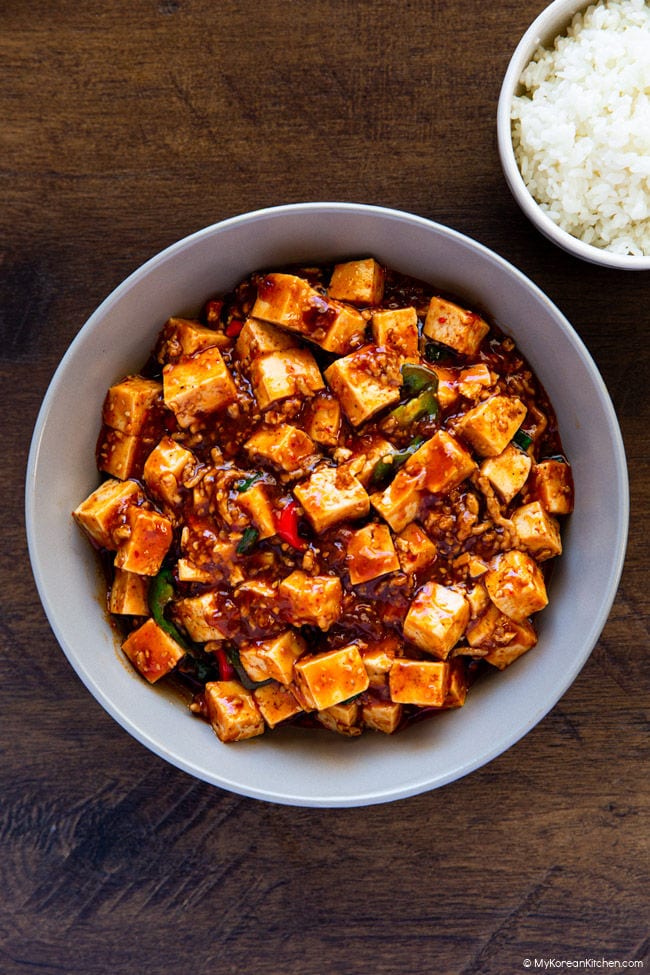
While the sodium content (approximately 1,761mg per serving) reflects the reliance on fermented pastes and fish sauce, the dish provides a substantial amount of dietary fiber and essential minerals like iron and calcium, largely thanks to the tofu base. The balance of 26 grams of carbohydrates makes it an ideal companion for a steaming bowl of short-grain white rice, which acts as a neutral canvas for the intense, salty, and spicy sauce.
Official Culinary Perspectives: Why It Works
From a professional standpoint, this recipe succeeds because it respects the "homestyle" ethos of Korean cooking. Chefs often point to the concept of "son-mat" (hand taste)—the idea that the cook’s unique touch and ingredient choices define the dish. By incorporating Ssamjang, the creator of this recipe has moved away from the standardized Sichuan profile to something that feels more personal and approachable for the average home kitchen.
The use of anchovy stock as a substitute for standard water is a hallmark of Korean culinary technique. In Korean cuisine, stocks are rarely an afterthought; they are the bedrock of flavor. By applying this logic to a Chinese dish, the recipe achieves a "developed" taste profile that usually requires hours of simmering, condensed into a 20-minute stir-fry.
Implications: The Future of Fusion Cooking
This recipe is more than just a dinner idea; it is a case study in how cultural exchange functions in the modern kitchen. Fusion, when executed with respect for the original dish’s intent—in this case, the marriage of tofu and spicy meat—allows for a broader spectrum of flavor.
The implications for home cooks are significant:
- Versatility: This dish encourages experimentation. Those who prefer a softer mouthfeel can swap firm tofu for silken, while those with a lower spice tolerance can easily adjust the amount of gochugaru used in the oil.
- Ingredient Accessibility: The ingredients required for this Korean twist are staples in most Asian pantries. This makes the dish a viable weeknight meal rather than a weekend project.
- Cross-Cultural Appreciation: By acknowledging the "real deal" Sichuan version, the recipe invites cooks to compare and contrast, fostering a deeper appreciation for both the Chinese original and the Korean adaptation.
Storage and Reheating
A notable aspect of this dish is its resilience. Like many stews and braised dishes, the flavors of the sauce continue to meld and mature after refrigeration. Stored in an airtight container for up to three days, the tofu absorbs more of the savory liquid, often tasting even better upon reheating.
Conclusion
The Korean-style Mapo Tofu is a testament to the beauty of adaptation. It does not attempt to "replace" the Sichuan classic; instead, it offers a parallel experience—one that is rooted in the deep, fermented, and comforting notes of the Korean kitchen. Whether you are a fan of tofu or simply looking for a new, umami-packed meal to add to your repertoire, this recipe offers a reliable, satisfying, and deeply flavorful journey into the heart of modern fusion.
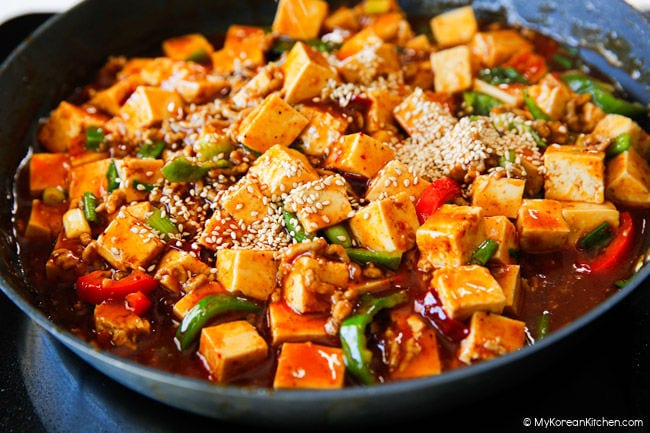
As you prepare this in your own home, remember that the true joy lies in the balance: the tender tofu, the robust pork, and that final, glossy coating of savory, spicy sauce. Serve it hot, serve it with rice, and don’t be afraid to share the results—this is a dish designed to bring people together.
 Raul Delapena Setiawan
  Asep Darmawan
  Nana Wu
