
 By Evan Lee Salim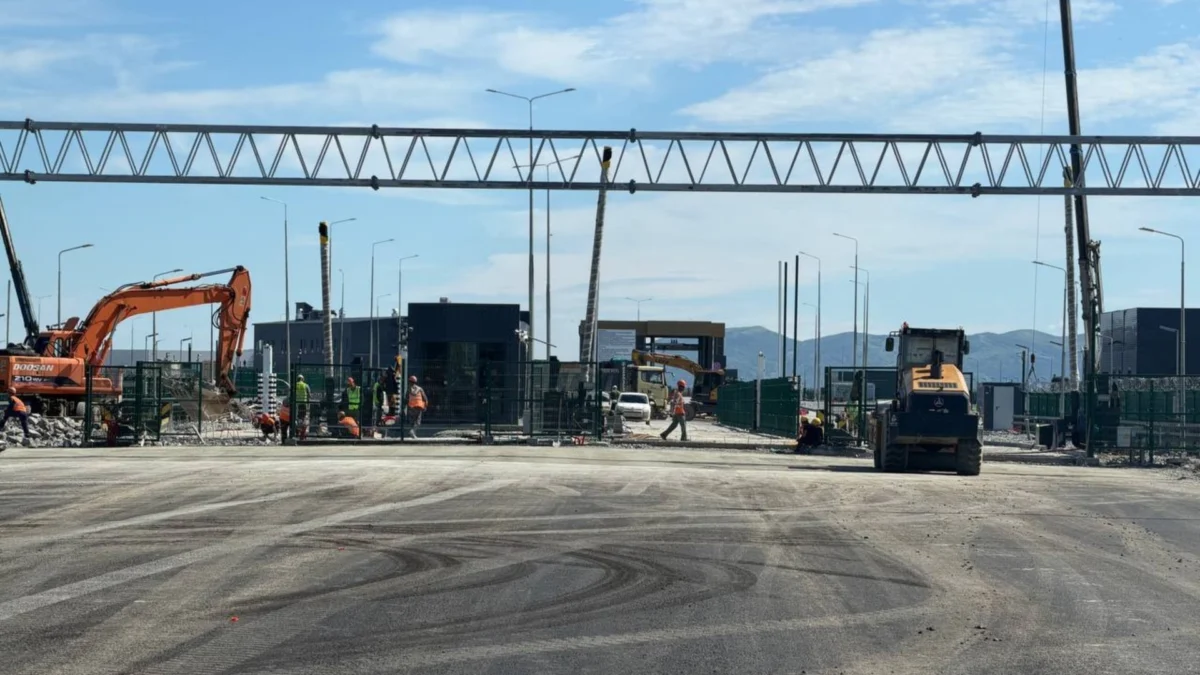
By [Your Name/Journalistic Desk]
As the autumn chill begins to descend upon the Tumen River, a monumental engineering project is reaching its fever pitch. Russia and North Korea are currently in the final stages of completing a state-of-the-art road bridge and border checkpoint, a development that signifies a deepening of bilateral ties at a time of intense geopolitical realignment. With construction at the Russian border facility now reported to be 65% complete, officials in Moscow and Pyongyang are signaling that the new motorway link is on track to open in early September, potentially coinciding with the Eastern Economic Forum (EEF) in Vladivostok.
Main Facts: The Khasan-Tumangang Motorway Link
The project, centered on the Khasan-Tumangang border crossing, represents the first dedicated vehicle bridge between the two nations, supplementing the long-standing rail-only connection that has served as the primary artery for trade for decades.
According to a recent announcement by the Far Eastern Transport Prosecutor’s Office, a high-level inspection team—including representatives from the Federal Security Service (FSB), customs officials, and the primary contractors—conducted an on-site evaluation of the facility this Tuesday. The report confirmed that while the infrastructure is in its final phase, critical work remains to bring the facility up to operational standards.
The checkpoint is designed for significant throughput. The initial phase of the construction plan mandates the creation of 10 distinct vehicle lanes: four dedicated to heavy-duty trucks, two for commercial buses, and four for private passenger vehicles. This layout suggests a strategic intent to facilitate both commercial logistics and human transit, moving beyond the limitations of current rail infrastructure.
Visual confirmation provided by the Far Eastern Transport Prosecutor’s Office and corroborated by recent Planet Labs satellite imagery depicts a site transformed. The bridge surface has been fully paved with asphalt, and the surrounding grounds are covered in concrete, signaling the transition from structural engineering to functional utility. While the North Korean side of the crossing was largely finalized by early summer, the Russian facility has been the site of intensive, high-pressure construction efforts throughout the month of August.
A Chronology of Development
The path to this bridge has been marked by rapid diplomatic momentum and logistical hurdles. The timeline of the project reflects the urgency with which both Moscow and Pyongyang view this connection:

- April 2025: After nearly a year of active construction, Russia and North Korea held a formal ceremony to officially link the two segments of the bridge across the Tumen River.
- June 2026: Originally, both parties aimed for a grand opening on June 19, 2026—the second anniversary of the landmark summit between Vladimir Putin and Kim Jong Un, which resulted in a comprehensive strategic partnership agreement.
- July 2026: Following delays in the Russian checkpoint construction, local officials in the Khasan settlement clarified that the target date had been pushed back to early September.
- August 2026: Intense inspection cycles by the Far Eastern Transport Prosecutor’s Office highlighted the remaining "outstanding issues" as the project entered its final weeks of construction.
The shift from the June deadline to September suggests that while the physical bridge was ready, the surrounding bureaucracy, security screening technology, and customs infrastructure required more time than initially estimated.
Supporting Data and Technical Challenges
Despite the outward appearance of progress, the project has not been without significant internal friction. The primary contractor for the Russian side, TonnelYuzhStroi—a firm known for its ties to influential construction elites in Chechnya—is currently embroiled in a $1.5 million lawsuit filed by a major materials supplier. Such legal entanglements in the Russian construction sector can often lead to project stagnation, yet in this instance, the Kremlin appears to have prioritized the bridge’s completion, pushing through the noise to maintain the schedule.
The project has also been shadowed by tragedy. The previous Russian Transport Minister, Roman Starovoit, who held oversight responsibilities for the border project, died by suicide in Moscow last year. The subsequent appointment of Andrey Nikitin as his successor saw a shift in administrative focus, with the Kremlin demanding faster results to meet the political requirements of the September window.
Satellite data confirms that the facility is nearing completion. Imagery from late August shows the main terminal buildings erected and the highway connection points nearing a state of "ready for service." The disparity in progress—with North Korea having finished their smaller facility months ago—has placed the burden of delay squarely on the Russian side, a point of clear frustration for local project managers who have been under intense scrutiny from federal prosecutors.
Official Responses and the EEF Connection
The timing of the opening is widely expected to align with the Eastern Economic Forum (EEF) in Vladivostok. The forum serves as a primary venue for Russia to showcase its "Pivot to the East," and the opening of the bridge would provide a tangible, high-profile win for the Russia-DPRK alliance.
Russian Vice Premier Marat Khusnullin expressed unwavering confidence last week that the facility would be fully operational by the end of the year, though internal signals suggest the goal is to have the gates open before the EEF concludes. When asked about potential high-level meetings at the forum, Natural Resources Minister Alexander Kozlov did not rule out the possibility of formal Russia-DPRK contacts, fueling speculation that a ceremonial inauguration involving top leadership could take place.
While the Kremlin has remained tight-lipped regarding the specific guest list for the EEF, the proximity of the bridge to the event site and the strategic importance of the relationship make it a focal point for international observers.

Geopolitical Implications: Why This Bridge Matters
The Khasan-Tumangang road bridge is more than just a piece of asphalt; it is a symbol of a new era in the relationship between Moscow and Pyongyang.
1. Bypassing Maritime Restrictions:
With international sanctions limiting maritime trade and financial transactions, land-based transit offers a degree of autonomy for both nations. A direct road link allows for the movement of goods that are easier to obscure from international monitoring than traditional shipping methods.
2. Economic Integration:
The bridge facilitates the flow of labor and materials. As Russia seeks to replace Western imports and North Korea looks to bolster its foreign currency reserves, the bridge provides a pathway for the exchange of raw materials, manufactured goods, and potentially, the movement of workers into the Russian Far East.
3. Symbolic Power:
The mere existence of a dedicated motorway bridge, built under the shadow of international pressure, serves as a defiance of the isolation policies pursued by the West. By creating a physical, un-severable link, Russia and North Korea are signaling that their bilateral cooperation is moving from theoretical diplomacy to permanent, infrastructure-backed integration.
4. Military and Logistical Versatility:
While the official narrative focuses on civilian and commercial trade, the bridge’s ability to handle heavy truck traffic offers a logistical advantage for the movement of sensitive cargo. In the context of the ongoing conflict in Ukraine and the deepening military cooperation between the two states, the bridge provides a secure, reliable, and all-weather route that bypasses the complexities of sea-based logistics.
Conclusion: A New Horizon
As the final lanes are marked and the customs security systems are calibrated, the Khasan-Tumangang bridge stands as a testament to the iron-clad, albeit isolated, partnership between Moscow and Pyongyang. Whether or not Presidents Putin and Kim appear together in September to cut the ribbon, the opening of this road will fundamentally alter the nature of the Russia-North Korea border.
For the international community, the bridge serves as a new observation point—a physical manifestation of the tightening grip between two nations that have found in each other a necessary, and increasingly vital, partner. As the asphalt cools and the first trucks prepare to cross, the world will be watching to see exactly what, and who, passes over the Tumen River.

 Ammar Sabilarrohman
  Pevita Pearce
  Nana Wu
