 By Sagoh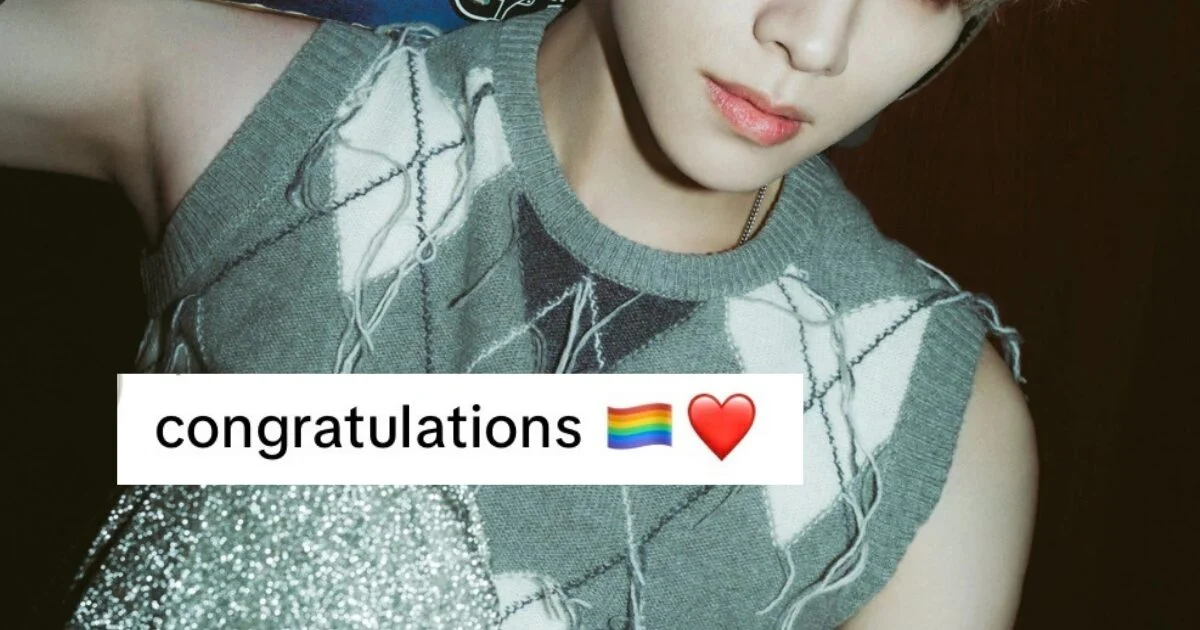
The global K-Pop industry has long been a focal point for discussions regarding gender expression, performance art, and the evolving landscape of LGBTQIA+ representation. Recently, this discourse reached a new peak following a social media post by WayV, a prominent sub-unit of the multi-national boy group NCT. During the promotional cycle for their latest release, "Vision Wings," the group shared a video on the social media platform TikTok that utilized a specific audio clip from Charli XCX’s 2017 hit single, "Boys." The resulting fan reaction has sparked a widespread conversation about the intersection of idol culture, queer-coded media, and the boundaries of "coming out" in a professional entertainment context.
The Catalyst: A Viral Social Media Moment
The event in question occurred during the final week of August 2026, as WayV was in the midst of intensive promotions for their album "Vision Wings." The group, consisting of members Kun, Ten, Winwin, Xiaojun, Hendery, and Yangyang, posted a short-form video that followed a popular internet trend. In the video, each member is shown in a close-up "face card" shot, winking or smiling at the camera in sync with the lyrics of Charli XCX’s "Boys." The specific lyrics used in the clip—"I was busy thinking about boys"—are delivered as each member presents a curated, charismatic expression.
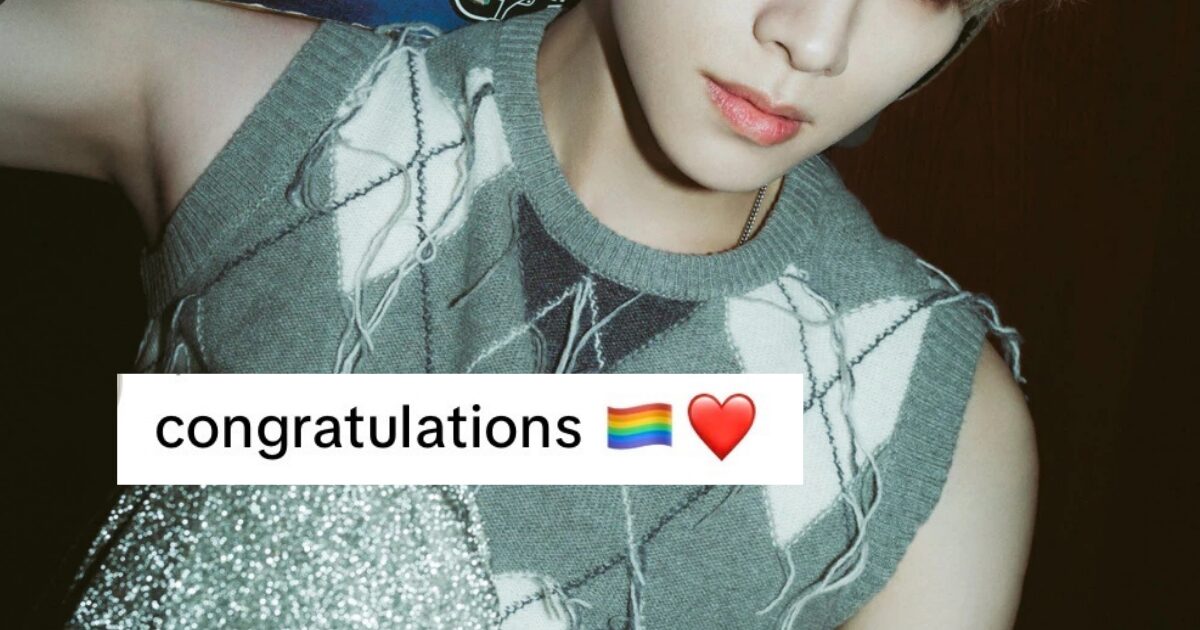
While the use of trending audio is a standard marketing tactic for K-Pop groups looking to increase engagement on platforms like TikTok and Instagram Reels, the choice of this particular song carried significant weight for the group’s international fanbase. The song "Boys" was originally celebrated for subverting the "male gaze" by featuring a music video filled with male celebrities in various states of aesthetic play. By adopting this audio, WayV effectively placed themselves within a narrative of appreciating male beauty, leading many fans to humorously or earnestly interpret the post as a collective "coming out" statement.
Historical Context of LGBTQIA+ Discourse in NCT
This is not the first time members of the NCT ecosystem have been at the center of discussions regarding sexuality. The group’s structure, managed by SM Entertainment, is designed to be experimental and "Neo," often pushing the boundaries of traditional masculine performance in South Korea.
A notable precedent was set by NCT DREAM’s Chenle, who has addressed the topic of his sexuality with uncharacteristic bluntness for a K-Pop idol. During various live broadcasts, Chenle has engaged with fan questions about his "ideal type." In one instance, when asked if gender mattered in a partner, he clarified his stance by stating he preferred women, while simultaneously expressing an understanding of why fans might speculate otherwise. His transparency was lauded by many for being respectful toward the LGBTQIA+ community while maintaining his personal truth.
Similarly, WayV member Ten has frequently been praised for his fluid approach to dance and fashion. Ten has often spoken about art being genderless, a sentiment that has resonated deeply with queer fans globally. This history of open-mindedness and artistic fluidity provided the necessary background for fans to view the "Boys" TikTok not as an isolated incident, but as a continuation of the group’s progressive brand identity.
Chronology of WayV’s "Vision Wings" Era
To understand the impact of this social media moment, it is essential to look at the timeline of WayV’s activities leading up to the post:

- Early August 2026: WayV announces their comeback with the title track "Vision Wings," promising a concept that explores "freedom, metamorphosis, and the breaking of internal barriers."
- August 15, 2026: The "Vision Wings" music video is released, featuring high-concept cinematography and choreography that emphasizes the group’s "Neo" aesthetic.
- August 20, 2026: WayV begins a series of "Neo 10th Anniversary" events, celebrating the broader NCT brand’s decade in the industry.
- August 25, 2026: The group’s official TikTok account uploads the "Boys" video. Within hours, the post accumulates millions of views and becomes a trending topic on X (formerly Twitter) and Weibo.
- August 26, 2026: Fans and media outlets begin analyzing the post, leading to the "I bet the entire group just came out" sentiment that proliferated across fan forums.
Analyzing the Fan Reaction: Humor vs. Serious Advocacy
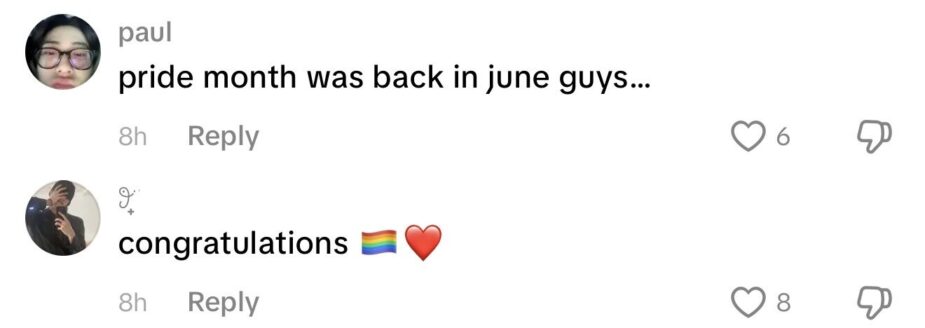
The reactions to WayV’s post were diverse, reflecting the multifaceted nature of the K-Pop fandom. A significant portion of the fanbase responded with humor. Comments such as "They aren’t even hiding it anymore" and "WayV is the most ‘real’ group in the industry" became top-liked sentiments. This type of reaction often stems from a place of "shipping" culture or a desire to see idols as relatable human beings who share the same cultural touchstones as their audience.
However, a more serious segment of the discussion focused on the concept of "queerbaiting" versus "authentic representation." Queerbaiting is a marketing technique where creators hint at, but then do not depict, same-sex romance or LGBTQIA+ identities to attract a queer audience without alienating more conservative demographics. Some critics argued that using "Boys" was a calculated move by SM Entertainment to capitalize on the group’s large LGBTQIA+ following.
Conversely, supporters of the group argued that WayV has a long-standing history of "skinship"—a Korean term for non-sexual physical affection between friends—and a general disregard for rigid heteronormative standards. For these fans, the TikTok was not a marketing ploy but a genuine reflection of the members’ comfortable and playful group dynamic.
Supporting Data: The Shift in Idol Marketing
The engagement metrics for the "Boys" TikTok provide empirical evidence of the effectiveness of queer-coded content in the current market. Data suggests that posts featuring LGBTQIA+-adjacent themes or "fluid" concepts often see a 30% higher engagement rate among international fans compared to standard promotional content.
This trend is mirrored in the broader industry. Over the last five years, several K-Pop idols have taken steps toward greater visibility:
- Holland: Debuted as the first openly gay K-Pop idol in 2018, paving the way for more direct conversations.
- Jo Kwon: Has been vocal about his gender-fluid fashion choices and performances in musicals like Everybody’s Talking About Jamie.
- Somi and others: Have been seen wearing or displaying pride-related imagery in music videos or social media posts.
WayV’s position as a Chinese-market-focused group (C-Pop) that operates within the K-Pop system adds another layer of complexity. China’s regulations regarding "effeminate" aesthetics in media have fluctuated in recent years, making WayV’s continued use of fluid imagery a bold stylistic choice that appeals to a global, digital-native generation.
Broader Implications for the K-Pop Industry
The viral nature of WayV’s "coming out" moment—even if intended as a joke or a trend—highlights a significant shift in how boy groups manage their public personas. In previous decades, the "idol" image was strictly controlled to maintain the fantasy of the "ideal boyfriend" for a female audience. Any deviation from heteronormativity was often suppressed or strictly relegated to fan-service.
In 2026, the landscape is different. The "ideal boyfriend" archetype is being replaced by the "authentic artist" or the "relatable peer." By engaging with songs like "Boys," WayV signals that they are participants in global internet culture, aware of the memes and the discourses surrounding them.

Furthermore, this event underscores the power of the "fan-led narrative." In the absence of an official statement from the members or SM Entertainment, the fans have constructed a narrative of inclusivity and bravery around the group. For a label, this is a double-edged sword: it builds intense brand loyalty among a progressive demographic, but it also creates expectations for the group to live up to those values in their future work and personal conduct.
Conclusion: The "Neo" Future of WayV
As WayV continues their "Vision Wings" promotions and looks toward the future of the NCT brand, the "Boys" TikTok will likely be remembered as a definitive moment of their 10th-anniversary era. Whether it was a playful nod to a popular song or a subtle message of solidarity, the impact on the fanbase was undeniable.
The incident serves as a reminder that in the modern era of music, the meaning of a piece of content is often determined as much by the audience as it is by the creator. For WayV, a group that has always stood at the intersection of different cultures and languages, being the center of a global conversation on identity is perhaps the most "Neo" thing they could do. While no official "coming out" has occurred in the traditional sense, the group’s willingness to engage with these themes suggests a future where K-Pop can be a more inclusive space for all identities.

