
 By Neng Nana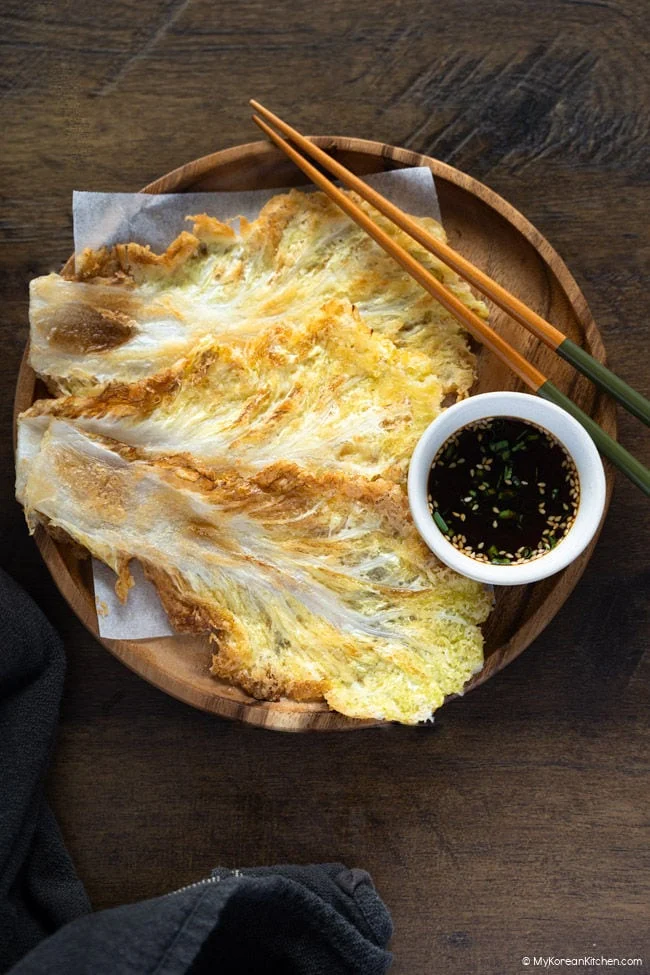
In the vast, vibrant landscape of Korean cuisine, where bold fermentation and complex spice profiles often dominate the international narrative, there exists a quiet, understated masterpiece: Baechujeon (배추전). This traditional napa cabbage pancake is a testament to the Korean philosophy of hansik—the idea that with high-quality, seasonal ingredients and careful technique, even the most humble vegetable can be transformed into a culinary centerpiece.
While many associate Korean "jeon" (pancakes) with the complex, ingredient-heavy pajeon or the savory kimchijeon, baechujeon remains a purist’s delight. It is a dish that relies on the natural sweetness of napa cabbage, the crisp, golden texture of a light batter, and a handful of aromatic additions that elevate the flavor profile without masking it. As home cooking continues to trend toward approachable, ingredient-forward recipes, baechujeon has emerged as a beacon of minimalist comfort.
The Foundations of Baechujeon: Core Components
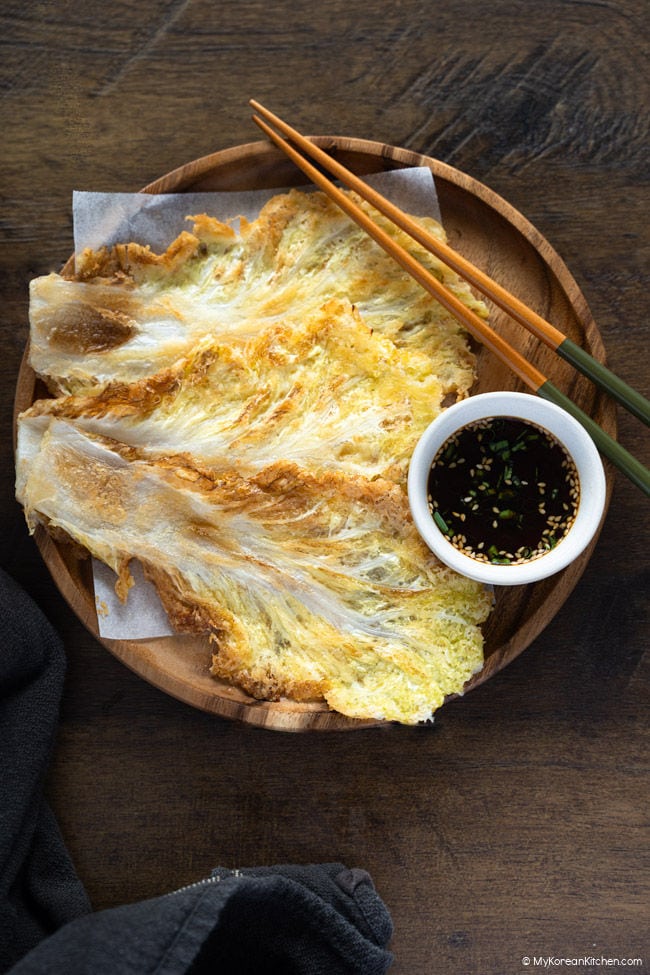
At its heart, baechujeon is an exercise in restraint. The primary ingredient, fresh napa cabbage, provides a structural and flavor base that is both sweet and remarkably tender when pan-fried. The magic, however, lies in how the ingredients interact.
The Cabbage
Napa cabbage, when properly treated, loses its raw crunch in favor of a silky, tender mouthfeel. The white, fibrous stems are the "bone" of the dish, providing a mild sweetness, while the green, leafy tops offer a delicate, ruffled texture that traps the batter.
The Batter
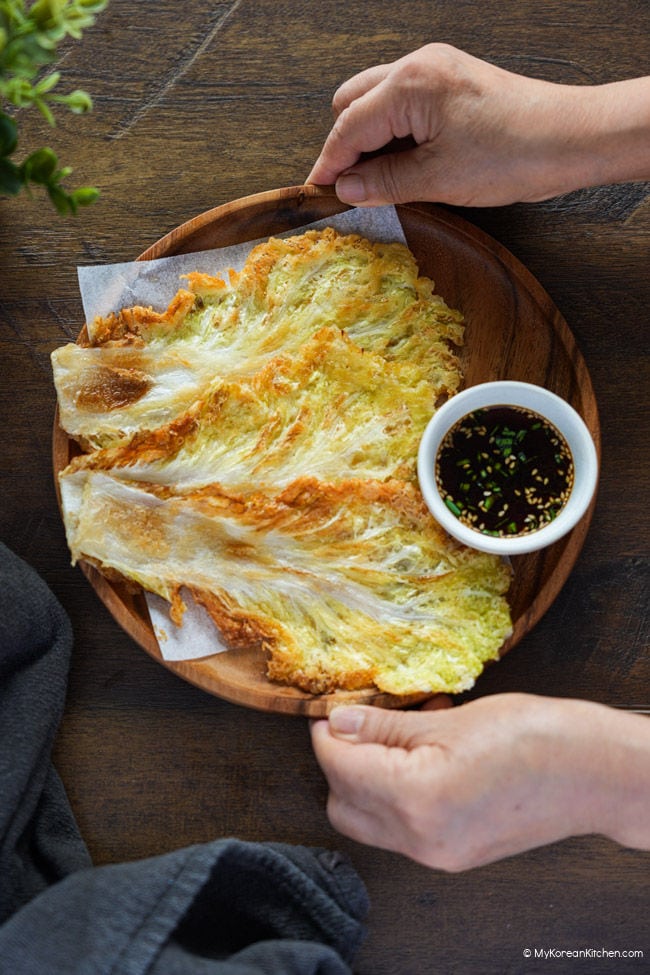
The batter for baechujeon is intentionally thin. Unlike thicker, flour-heavy pancakes, this batter acts merely as a bridge—a way to bind the cabbage and provide a crisp outer layer. A light coating allows the heat of the pan to steam the cabbage within, ensuring that every bite is succulent rather than doughy.
The Flavor Enhancers
What distinguishes a truly professional baechujeon from a casual home version is the nuanced use of aromatics. Nutty perilla oil is the traditional choice for frying; its distinct, earthy profile provides a depth that standard vegetable oils cannot replicate. Furthermore, the inclusion of saeujeot (salted shrimp) in the preparation offers a subtle, savory "umami" punch, rounding out the inherent sugars in the cabbage.
A Chronology of Preparation: From Farm to Frying Pan
The preparation of baechujeon is a deliberate process, emphasizing careful handling of the produce to ensure the final result is perfectly cooked.
Step 1: Meticulous Preparation
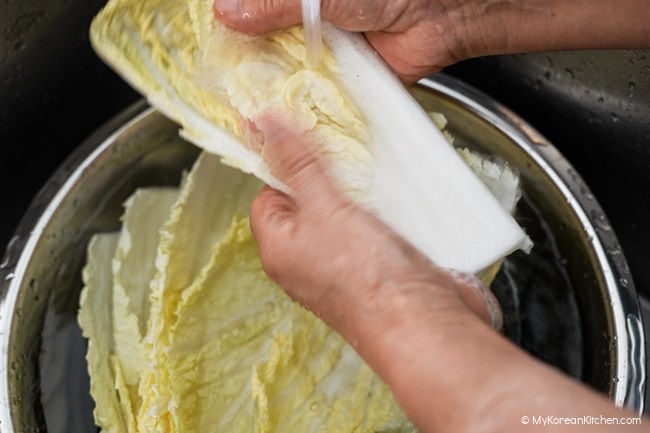
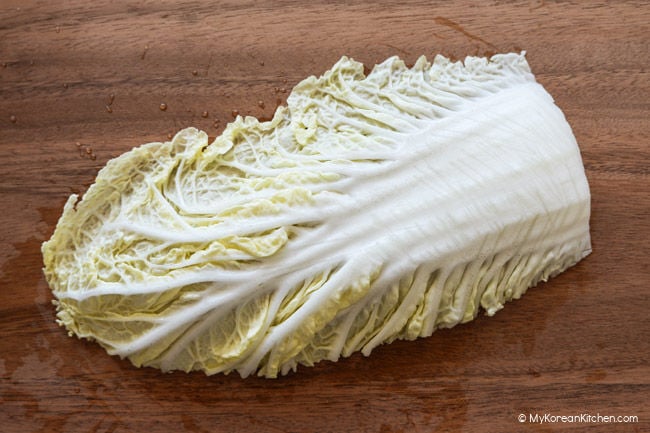
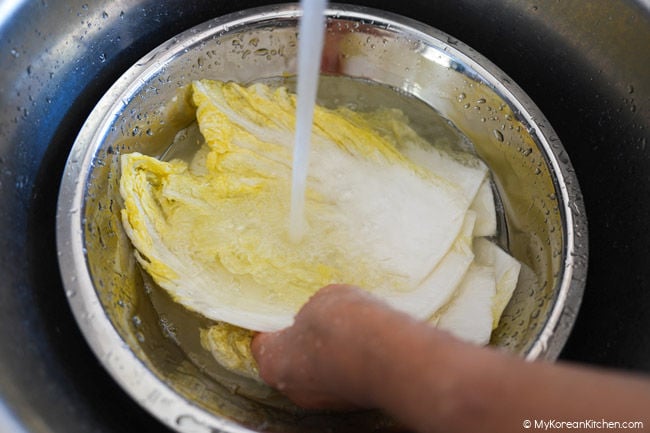
The process begins with the careful separation of the napa cabbage leaves. Each leaf is rinsed under cold, running water to ensure all grit is removed. The critical step here, often overlooked by novices, is the scoring of the thick white stem. By making shallow, strategic cuts across the stem, the chef ensures that the thickest part of the cabbage cooks at the same rate as the tender leafy portion. This technique, reminiscent of the precision used in high-end seafood preparation, is essential for a uniform texture.
Step 2: The Salting Phase
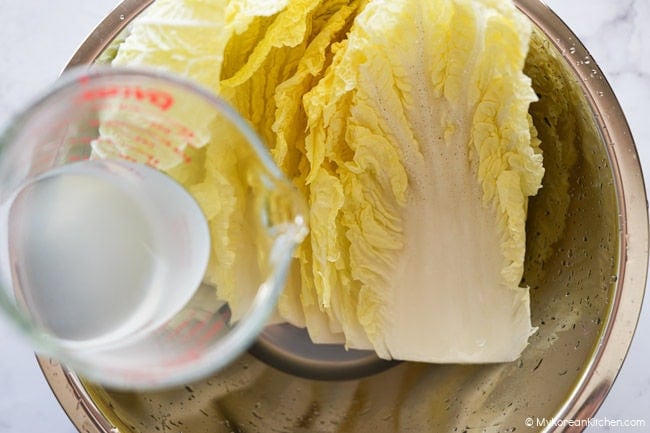
Once the leaves are prepared, they are briefly submerged in a light saline solution. This is not for preservation, but for texture. A five-minute rest in warm salt water softens the cell walls of the cabbage, making the leaves pliable and easy to handle. This also lightly seasons the vegetable from within, ensuring that the finished pancake is flavorful throughout, not just on the surface.
Step 3: Achieving the Perfect Batter Consistency
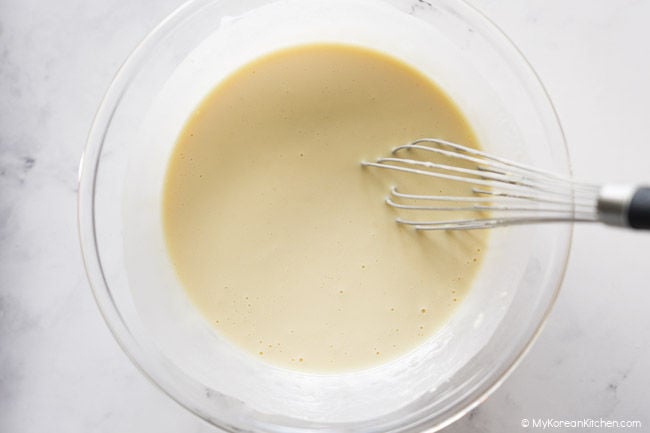
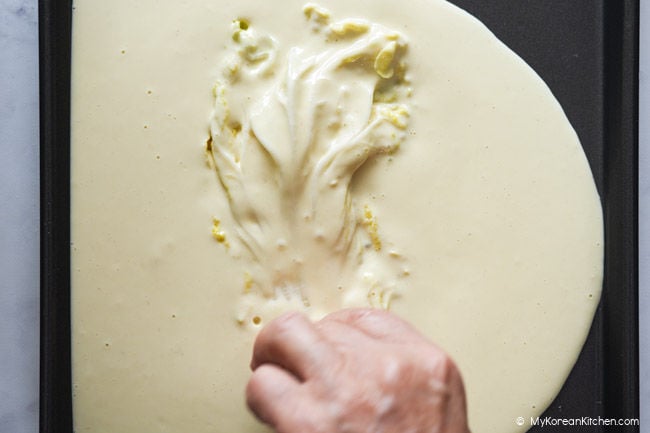
The batter is a precise mixture of flour and water. The consistency should be thin—almost veil-like. The goal is to create a translucent coating that protects the cabbage from direct contact with the pan, allowing it to sear rather than scorch.
Step 4: The Culinary Transformation
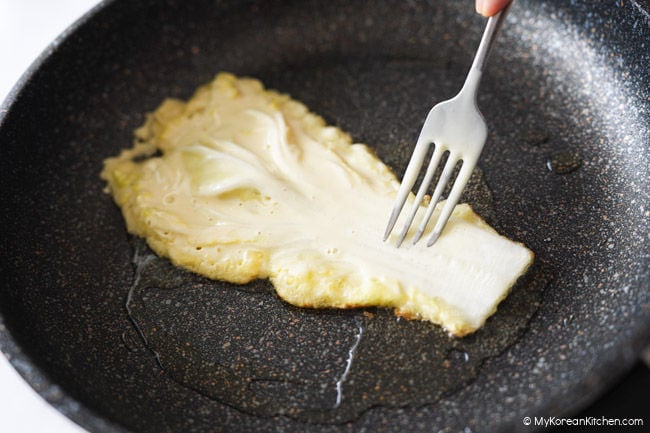
When the leaves are coated and placed into a preheated pan with perilla oil, the transformation is rapid. The heat causes the sugars in the cabbage to caramelize, while the batter bubbles and crisps into a delicate, lace-like crust. The frying process typically lasts only one to two minutes per side. The chef must remain vigilant; the objective is a vibrant, golden-brown edge and a tender, slightly translucent center.
Supporting Data and Nutritional Profile
While baechujeon is celebrated for its flavor, it is also notable for its lightness. According to standardized culinary data, a serving of baechujeon is remarkably low in caloric density compared to other fried snacks.
- Average Caloric Content: Approximately 54 kcal per serving.
- Nutritional Composition: With minimal fat and carbohydrates, the dish acts as an excellent vegetable-forward side.
- Key Micronutrients: The cabbage retains a significant portion of its inherent Vitamin C, Calcium, and Iron, as the quick pan-frying method preserves the structural integrity of the vegetable better than prolonged boiling or braising.
Note: The nutritional values provided are estimates based on standard preparation and should be viewed as general guidance rather than clinical data.
Professional Perspectives on Culinary Minimalism
Culinary experts frequently cite baechujeon as the ultimate "test" dish for students of Korean cuisine. Because the dish has nowhere to hide—it lacks the heavy sauces or meat proteins that can mask technical errors—it demands perfection in execution.
"In a kitchen that relies on the harmony of five flavors, baechujeon is the quietest note," notes one culinary consultant. "It teaches a cook to listen to the sound of the pan and observe the color of the batter. It is a lesson in patience and timing."
The use of saeujeot is particularly highlighted by chefs as an "insider secret." By incorporating the brine of salted shrimp, the chef introduces a level of complexity that elevates the dish from a simple vegetable side to a sophisticated, palate-cleansing course.
The Implications: A Shift Toward Mindful Eating
The resurgence of baechujeon in modern dining—both in Korea and abroad—reflects a broader shift toward "mindful eating." As consumers move away from overly processed, heavy comfort foods, there is an increasing demand for dishes that celebrate the vegetable in its near-whole state.
- Sustainability: By focusing on seasonal, local napa cabbage, baechujeon minimizes the carbon footprint associated with imported, exotic ingredients.
- Accessibility: The ingredients required are staples in almost every kitchen, making the dish a democratic culinary experience.
- Cultural Preservation: Sharing the technique of baechujeon serves as a vehicle for cultural transmission, keeping the traditions of the Korean home kitchen alive in a globalized world.
Conclusion
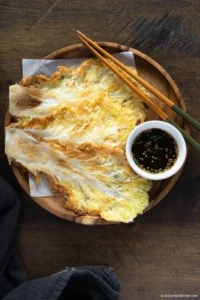
Baechujeon is far more than just a pancake. It is a culinary artifact that tells the story of Korean resourcefulness and aesthetic values. By mastering the delicate balance of heat, batter, and salt, the home cook can produce a dish that is as intellectually satisfying as it is delicious. Whether enjoyed as an appetizer, a side dish, or a simple, warming snack on a rainy day, baechujeon remains a gold standard for those who believe that the most profound flavors are often found in the simplest ingredients.
As you embark on your own journey to master this classic, remember that the beauty of the dish lies in its imperfections. Each golden, crisp edge is a record of your time at the stove, and every bite of tender, sweet cabbage is a reward for your commitment to the craft of traditional cooking. Share your progress, tag your favorite culinary mentors, and continue to explore the endless, nuanced possibilities of the Korean kitchen.
 Raul Delapena Setiawan
  Asep Darmawan
  Nana Wu
